
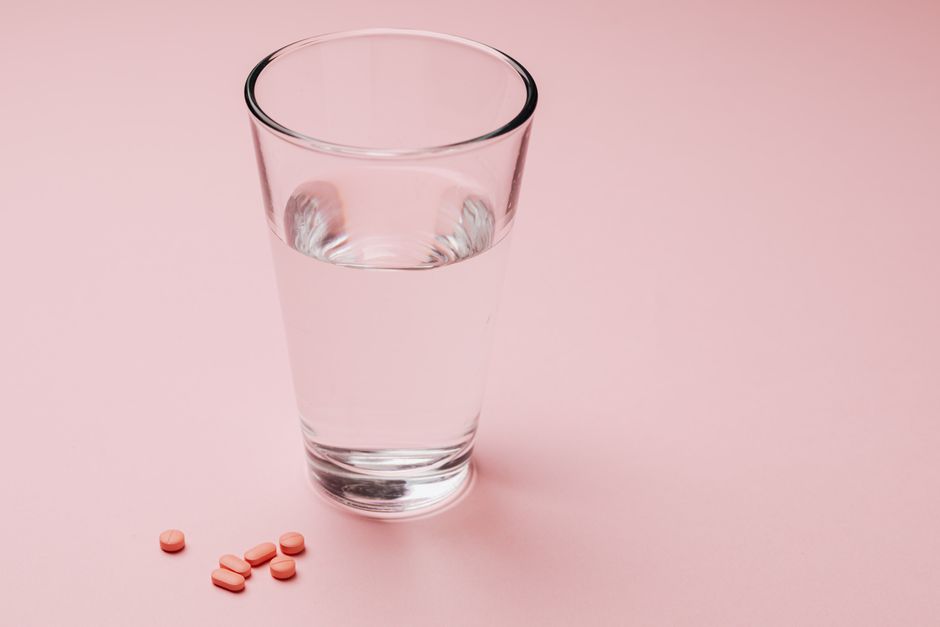
There is no cure for a hangover. No drink, pill, or breakfast will make it end faster than your body can process the alcohol and its byproducts. What you can do is manage symptoms, replace what alcohol stripped out, and avoid the things that make a bad hangover worse. Time is the only real fix. Most hangovers peak when blood alcohol hits zero and ease within 8 to 24 hours, though a heavy night can leave you feeling off for longer.
What Actually Causes a Hangover?
A hangover is not just dehydration, and it is not just one thing. It is a cluster of effects happening at once.
Alcohol is metabolized mostly in the liver. It is first converted to acetaldehyde, a compound that is genuinely toxic and largely responsible for the flushed, queasy, headachy feeling. Acetaldehyde is then broken down into acetate, which is mostly harmless. When you drink faster than your body can clear these compounds, they build up.
Alcohol also suppresses vasopressin, a hormone that tells your kidneys to hold onto water. That is why you urinate more and wake up dry, headachy, and thirsty. It disturbs sleep architecture too. You may fall asleep fast, but alcohol reduces the deep and REM stages that actually restore you. That is a big part of why you feel foggy and unrefreshed even after eight hours in bed.
Other contributors include inflammation, low blood sugar, and irritation of the stomach lining. Congeners — compounds found in darker drinks like bourbon, red wine, and brandy — appear to worsen hangovers compared with clearer spirits. This is one of the more consistent findings in hangover research, though individual responses vary widely.
Does Drinking Water Cure a Hangover?
Water helps with symptoms but does not cure a hangover. Dehydration is real and it makes headaches and fatigue worse, so rehydrating is worthwhile. But studies that gave people alcohol and then measured their hangover severity have not found that dehydration alone explains how bad they felt.
Drink water steadily through the morning rather than chugging a large amount at once. A big volume of plain water on an irritated stomach often comes right back up. Small, frequent sips work better. If you can keep food down, water plus a little salt and sugar — through food or an oral rehydration drink — replaces electrolytes more effectively than water alone.
One clarification worth making: drinking water between alcoholic drinks does not reliably prevent a hangover either. It reduces dehydration and may slow your drinking pace, which helps. It does not stop acetaldehyde from forming.
What Foods and Drinks Help the Morning After?
There is no food that clears alcohol faster. What food can do is settle your stomach, raise low blood sugar, and replace some electrolytes.
Eggs are a common choice. They contain cysteine, an amino acid involved in glutathione production, and glutathione helps the liver process acetaldehyde. The logic is sound. Whether eating eggs meaningfully speeds up hangover recovery has not been confirmed in human trials, so treat it as a reasonable meal rather than a treatment.
Bland carbohydrates — toast, crackers, rice — are easy on an irritated stomach and provide glucose. Bananas supply potassium, which alcohol can deplete. Broth or soup delivers fluid and sodium together.
What to avoid:
- More alcohol. It temporarily numbs symptoms and delays recovery. The hangover comes back worse.
- Large amounts of caffeine. It may ease a headache and improve alertness, but it also raises heart rate and can worsen anxiety and stomach irritation. A normal cup is fine for most people. Several cups is not.
- Greasy, heavy food if you feel nauseated. It will not absorb the alcohol — that ship has sailed.
- Fruit juice in large amounts. The fructose does not speed alcohol clearance in any way that matters for a hangover.




Do Painkillers and Hangover Pills Work?
Some over-the-counter pain relievers ease a hangover headache. The choice matters more than most people realize.
Aspirin, ibuprofen, and naproxen are generally the safer options for a hangover headache in healthy adults. Take them with food to protect your stomach. Alcohol already irritates the stomach lining, and these drugs can add to that irritation.
Acetaminophen (Tylenol) deserves caution. It is processed by the liver, the same organ busy clearing alcohol. Taking it while alcohol is still in your system, or in large doses, raises the risk of liver injury. If you have been drinking heavily, this is not the painkiller to reach for. If you have any liver condition, avoid it entirely without checking with a clinician.
Do not take aspirin or ibuprofen if you have a history of stomach ulcers, kidney problems, or a bleeding disorder, or if you take blood thinners. If you are unsure, ask a pharmacist.
Hangover pills sold online and in stores are a different story. No large human trial has confirmed that any of these products prevent or cure a hangover. Some contain vitamins, some contain herbal extracts, some contain painkillers. The marketing is far ahead of the evidence.
What About IV Drips and “Hangover IV” Clinics?
IV fluids deliver hydration and electrolytes directly into the bloodstream, which works faster than drinking. That part is real. What is not established is that this shortens a hangover meaningfully compared with drinking fluids and resting.
Some clinics also add vitamins, anti-nausea drugs, or painkillers to the bag. There is no strong evidence that these combinations resolve a hangover faster. IV therapy does carry small risks — infection at the site, reactions to the drugs included, and, rarely, fluid overload in people with heart or kidney conditions.
If you are severely dehydrated, vomiting repeatedly, or cannot keep fluids down, IV fluids can be genuinely useful. That is a medical situation, not a spa treatment. For an ordinary bad hangover, the benefit over drinking water is not well supported.
Why Do Some People Get Worse Hangovers Than Others?
The single biggest factor is how much you drank and how fast. Beyond that, several things shift the picture.
Genetics matter more than most people think. Some people carry a variant of the enzyme that clears acetaldehyde, which means the toxic compound lingers longer. This variant is more common in people of East Asian descent, and it produces the flushing, rapid heartbeat, and severe hangover that follow even modest drinking. If you flush when you drink, you are not being dramatic. Your body is telling you something real.
Other factors that raise hangover severity:
- Drinking on an empty stomach, which speeds alcohol absorption.
- Dark, congener-heavy drinks like whiskey, red wine, and brandy.
- Poor sleep before or during drinking.
- Being female — women generally reach higher blood alcohol levels than men at the same dose, due to body composition and enzyme differences.
- Taking medications that interact with alcohol.
- Age — tolerance tends to drop over time, though the evidence here is mixed.
How To Cure A Really Bad Hangover What Works: The Honest Summary
What works is unglamorous. Time, fluids, food if you can eat, rest, and a painkiller chosen carefully. What does not work is anything promising a fast fix.
There is one point worth separating from the rest. A hangover and alcohol poisoning are not the same thing, and the difference can matter. Seek emergency care if someone has vomited repeatedly and cannot keep fluids down, has slow or irregular breathing, has a seizure, is confused or unresponsive, has cold or clammy skin, or has a bluish tint to the lips or fingertips. These are signs of alcohol poisoning, which can be fatal. Do not wait it out.
The most reliable way to avoid a bad hangover is to drink less, drink more slowly, eat beforehand, and alternate alcoholic drinks with water. None of that is a cure. It is prevention, and it is the only part of this that is well established.
Frequently Asked Questions
How long does a bad hangover last?
Most hangovers ease within 8 to 24 hours after your blood alcohol returns to zero. Symptoms often peak in the morning and improve through the day, though heavy drinking can leave you feeling off for longer.
Does coffee help a hangover?
Coffee may ease a headache and improve alertness, but it does not speed alcohol clearance and can worsen anxiety and stomach irritation. One cup is reasonable for most people; several cups usually makes things worse.
Is it safe to take Tylenol for a hangover?
Acetaminophen is processed by the liver, the same organ clearing alcohol, so it carries a real risk of liver injury after heavy drinking. Ibuprofen or aspirin are generally the safer choices for most healthy adults, taken with food.
Can a hangover be cured fast?
No. No product, drink, or remedy has been shown in large human trials to cure a hangover faster than time. Managing fluids, food, rest, and symptoms is all that is currently supported.
