
You popped it. Now there’s a raw, red, weeping spot on your face and a mirror that seems to be judging you. The single most important thing to know: stop touching it, keep it clean, and cover it with a non-occlusive dressing or a thin layer of plain petroleum jelly — not a heavy, pore-clogging concealer applied directly to broken skin. That one decision shapes whether it heals in a few days or turns into a scar you’ll deal with for months.
What follows is what actually happens to skin after a pimple is squeezed, why some cover-ups make things worse, and how to get through the next 48 hours without compounding the damage.
What Happens to Your Skin After You Pop a Pimple?
A pimple is a hair follicle blocked by oil and dead skin cells. When bacteria multiply inside it, your immune system sends white blood cells to the site, and the resulting inflammation is what you see as redness, swelling, and pus.
Squeezing forces that mixture — pus, bacteria, oil, and dead cells — out of the follicle. Sometimes it travels up and out. Often it ruptures downward into the surrounding dermis, the deeper layer of skin. That’s the part people don’t see. A surface pop can push infected material deeper, where it triggers a larger inflammatory response and can damage the tissue that produces collagen.
The immediate result is an open wound. The skin barrier is broken. Blood vessels near the surface are exposed, which is why it looks red and may bleed or weep clear fluid. Over the next day or two, a scab or crust forms as part of normal wound healing. Underneath, your body is rebuilding tissue. This repair process is fragile, and what you put on top of it matters.
Collagen damage during healing is what leads to a depressed scar or a dark mark called post-inflammatory hyperpigmentation. That discoloration is not a scar in the permanent sense — it’s excess melanin deposited during inflammation — and it can fade over months. True scars from picking are structural and generally permanent. The line between the two often comes down to how the wound is treated in the first few days.
Why Covering a Popped Pimple the Wrong Way Makes It Worse
The instinct to hide the spot is reasonable. The problem is what most people reach for.
Heavy, opaque concealers and cream foundations are often formulated with oils, waxes, and fragrances. On intact skin that’s usually fine. On an open wound, those ingredients can trap bacteria, irritate the raw tissue, and block the wound from forming a clean crust. Fragrance in particular is a common irritant and can drive more redness and inflammation at exactly the wrong moment.
Then there’s the applicator problem. Sponges, brushes, and even clean fingertips carry bacteria. Reapplying makeup over a broken pimple multiple times a day reintroduces organisms to an open wound. Sharing makeup tools makes this worse.
Picking at the crust is another self-inflicted setback. The crust is a biological bandage. Removing it reopens the wound, restarts the healing clock, and increases the chance of scarring. It also raises the risk of a secondary bacterial infection, which can turn a minor blemish into something that needs medical attention.
One thing worth knowing: the goal isn’t to dry the spot out. Drying agents like alcohol and harsh astringents can strip the skin and slow healing. A moist wound environment generally heals faster and with less scarring than a dry one. Petroleum jelly supports that environment. Alcohol does the opposite.
How To Cover a Popped Pimple Without Making It Worse
Start with clean hands and a clean face. Wash gently with a mild cleanser and lukewarm water — not hot, which increases blood flow and redness — then pat dry with a clean towel. Don’t scrub the area.
Next, apply a thin layer of plain petroleum jelly over the open spot. This keeps the wound moist, creates a barrier against bacteria and irritants, and prevents a hard crust from forming that you’d be tempted to pick. If the spot is still actively bleeding, apply gentle pressure with a clean tissue or gauze for a few minutes first.
For coverage, you have two honest options:
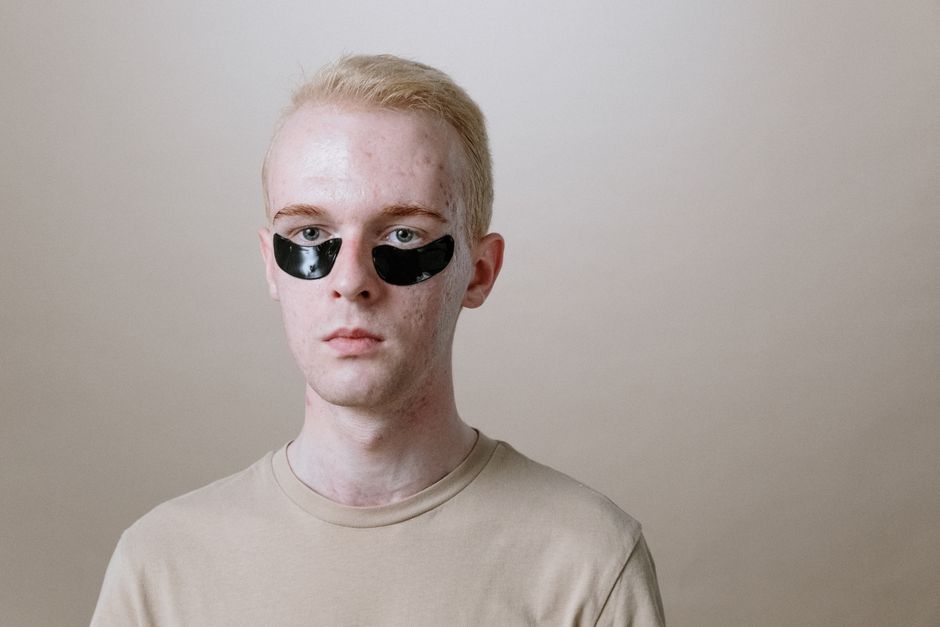
- Hydrocolloid patch. These are thin, adhesive dressings that absorb fluid and seal the wound. They’re widely sold as “pimple patches.” They cover the spot, discourage picking, and keep the area moist. Change them when they turn white or after about a day. They are not a treatment for the underlying cause, but they are a reasonable physical cover.
- Non-comedogenic concealer. If you need to look presentable, choose a product labeled non-comedogenic and fragrance-free. Apply it with a clean fingertip or a disposable applicator — not a shared brush or sponge. Use as little as possible, and remove it gently at the end of the day.
What to avoid: heavy cream foundations, anything fragranced, and reapplying makeup over the spot repeatedly. Don’t use a dirty beauty blender. Don’t layer concealer over a fresh scab and then pick at it later.
If the spot is very inflamed or you have several, some clinicians suggest a small amount of over-the-counter hydrocortisone cream for a day or two to calm redness. This is common practice, not strongly supported by large trials, so treat it as optional and don’t use it long-term on the face without asking a doctor.



What Should You Put on It Overnight?
Overnight is when the wound does most of its repair work. Keep it simple.
Cleanse gently, apply a thin layer of petroleum jelly, and leave it alone. If you tend to roll onto your face or pick in your sleep, a hydrocolloid patch can help by physically blocking your fingers.
Skip the spot treatments that contain high concentrations of benzoyl peroxide, salicylic acid, or alcohol directly on an open wound. These ingredients are useful on active acne, but on broken skin they can sting, irritate, and slow healing. Benzoyl peroxide in particular can bleach fabric and irritate surrounding skin.
If the area is painful, warm to the touch, or spreading, that’s not a normal healing response. It may indicate an infection that needs medical care. Don’t try to manage that at home with makeup.
How Long Does a Popped Pimple Take to Heal?
A small, cleanly popped pimple with no complications typically shows visible improvement within two to three days and is largely healed within a week. Larger or deeper ones, or those that were picked repeatedly, can take longer.
Post-inflammatory hyperpigmentation — the flat brown or red mark left behind — is a different timeline. It often takes several months to fade, and sometimes longer in people with darker skin tones. Sun exposure slows this process and can darken the mark, so daily sunscreen on the area is one of the few things that genuinely helps.
True scarring, meaning a change in skin texture or a depressed area, does not fade on its own the way discoloration does. This is why the first few days matter so much. Once the skin has healed with a scar, over-the-counter products won’t remove it. Dermatologic treatments exist, but they’re a different conversation.
When Should You See a Doctor Instead of Covering It?
Most popped pimples are a nuisance, not a medical problem. Some are not.
Seek medical care if you notice spreading redness, increasing pain, warmth around the area, fever, or a wound that keeps weeping pus after a few days. These can signal a bacterial infection that needs treatment. In rare cases, infections on the face can spread, and the area around the nose and upper lip has a blood supply that connects to the brain, which is why doctors take facial infections seriously.
Also see a doctor if you scar easily and get frequent deep, painful pimples. That pattern can indicate nodulocystic acne, which is a medical condition, not a hygiene problem, and it responds to prescription treatment. Covering those at home isn’t the answer.
If you’re unsure whether something is a pimple or another skin condition, don’t squeeze it. A dermatologist can tell the difference.
Frequently Asked Questions
Can I put makeup directly on a popped pimple?
You can, but choose a non-comedogenic, fragrance-free concealer and apply it with a clean fingertip or disposable applicator. Heavy or fragranced products on broken skin can trap bacteria and increase irritation.
Do pimple patches actually help a popped pimple?
Hydrocolloid patches help by keeping the wound moist and blocking your fingers from picking at it. They don’t treat the underlying cause of the breakout, but they are a reasonable physical cover for a healing spot.
How long does it take for a popped pimple to heal?
A small, cleanly popped pimple usually improves within two to three days and is largely healed within a week. Dark marks left behind can take several months to fade.
Should I let a popped pimple dry out or keep it moist?
Keep it moist with a thin layer of plain petroleum jelly. A moist wound environment generally heals faster and with less scarring than a dry, crusted one.
