
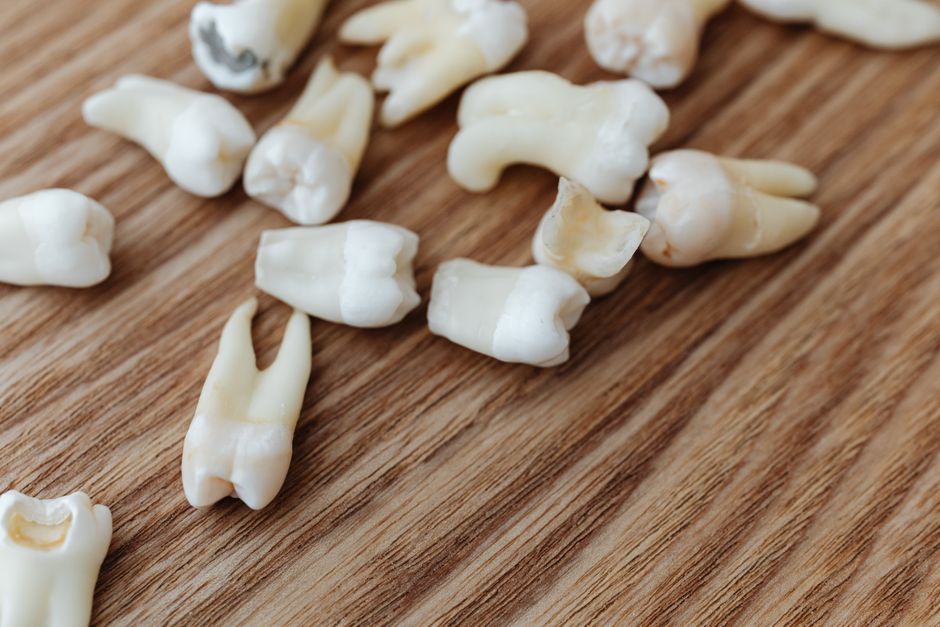
A broken tooth needs to be covered right away to protect the exposed inner layers from bacteria, temperature, and further cracking. The safest short-term fix is a piece of dental wax or sugar-free chewing gum pressed over the sharp edge, or a temporary dental filling kit from a pharmacy if the break is deep. Avoid hard foods, very hot or cold drinks, and don’t try to glue the tooth back together. Call a dentist the same day — most breaks need professional treatment within 24 to 48 hours.
What Happens Inside a Tooth When It Breaks
A tooth is not a solid block. It has layers, and what breaks through matters for how urgent the situation is.
The outer shell is enamel — the hardest tissue in the human body. Under that sits dentin, a softer yellow layer packed with tiny tubules that connect to the nerve. At the center is the pulp, which contains blood vessels and nerves.
If only enamel chips off, you may feel nothing at all. If dentin is exposed, you’ll likely feel sharp sensitivity to cold, heat, or air. If the pulp is exposed, you’ll see a small red or pink dot and may feel significant pain. That last situation is a dental emergency. Exposed pulp can become infected, and infection inside a tooth does not heal on its own.
This is why covering the tooth matters. It’s not cosmetic. It’s about keeping bacteria and irritants away from tissue that has no protective barrier left.
How To Cover A Broken Tooth Until You See A Dentist
Your goal is simple: cover the sharp or sensitive area, keep it clean, and avoid making the break worse. You are not repairing the tooth. You are buying time.
Here are the options that actually work, ranked by how well they hold up.
- Dental wax — Sold in most pharmacies near the toothpaste. Warm a small piece between your fingers, press it over the sharp edge, and smooth it down. It’s soft, safe if swallowed in small amounts, and easy to remove.
- Sugar-free chewing gum — A reasonable backup if you have nothing else. Chew it until soft, then press it over the break. Use sugar-free only. Sugary gum feeds the bacteria already present.
- Temporary dental filling material — Available over the counter. These are zinc oxide or composite-based putties that harden in the mouth. They work better for holes and deep breaks than for thin edges.
- Orthodontic wax — If you or someone in your home wears braces, this is the same idea as dental wax and works fine.
Whichever you use, keep the area dry first. Wipe the tooth with a clean gauze pad or cotton swab. Covering a wet surface rarely sticks.
One caution worth stating plainly: no over-the-counter product is designed to be a permanent restoration. These are bridges to a dental visit, nothing more.
What Not To Do With a Broken Tooth
Several common “fixes” cause more harm than the break itself.
Do not use super glue or household adhesive. This is a real mistake people make. Cyanoacrylate glue is toxic to gum tissue and can bond to the wrong surfaces, making the dentist’s job much harder. It can also seal bacteria inside the tooth.
Do not file or sand the sharp edge. You can’t sterilize the tool, and you risk cracking the tooth further or cutting your tongue.
Do not push a broken piece back into place. If you saved the fragment, keep it moist — in milk or saliva — and bring it to the dentist. Do not force it back.
Do not ignore pain that fades. Sometimes a broken tooth stops hurting after a day or two. That does not mean it healed. It often means the nerve has been damaged or has died. That is worse, not better.




Managing Pain and Sensitivity Before Your Appointment
Over-the-counter pain relievers can help in the short term. Ibuprofen and acetaminophen are the two most commonly used. Follow the label directions exactly and check with a pharmacist if you take other medications or have liver, kidney, or stomach conditions.
Do not place aspirin directly on the gum next to the broken tooth. This is an old remedy that can cause a chemical burn on the tissue.
For sensitivity, avoid very cold, very hot, and very sweet foods until you’re seen. Breathe through your nose if cold air triggers a sharp jolt. A sensitive toothpaste designed for exposed dentin may reduce discomfort, though it takes repeated use to build up any effect and won’t help much if the pulp is exposed.
If you develop swelling in your face or jaw, a fever, or difficulty swallowing or breathing, stop reading and seek urgent care. Those are signs the problem has moved beyond the tooth.
When a Broken Tooth Is a Dental Emergency
Not every break needs the same speed of response. Some can wait a day. Some cannot.
Call a dentist immediately — same day, or go to an emergency dental clinic or ER — if any of the following apply:
- The break exposes a red or pink center (the pulp)
- You have ongoing pain that pain relievers don’t touch
- There is swelling in your gum, cheek, or jaw
- The tooth is loose or has shifted
- You have a fever
- The break was caused by trauma to the face or head
- You have a condition that weakens immunity, such as diabetes or active cancer treatment
For a small chip with no pain and no exposed inner layer, a next-day appointment is usually reasonable. For anything deeper, faster is better. Dental infections can spread to the face and neck, and in rare cases become life-threatening.
What the Dentist Will Likely Do
Treatment depends entirely on how deep the break goes. Knowing the range helps you prepare.
A small enamel chip is often smoothed and polished. No filling needed.
A break into dentin usually gets a filling or bonding. The dentist removes any rough edges, cleans the area, and rebuilds the shape with composite resin.
A break into the pulp typically needs a root canal followed by a crown. The pulp is removed, the inside of the tooth is sealed, and a crown protects what’s left.
A tooth that is split vertically down the root often cannot be saved and may need extraction. This is one of the reasons prompt care matters — a small break treated early rarely becomes a split root.
Costs vary widely by region and procedure. If cost is a barrier, ask about dental schools, community clinics, or payment plans. Delaying care is usually more expensive than the original fix.
How To Prevent the Next Break
Most broken teeth come from a short list of causes: biting hard foods, grinding at night, untreated cavities that weaken the tooth from inside, and trauma from sports or falls.
If you grind your teeth, a night guard protects them. If you play contact sports, a mouthguard is the standard recommendation. If you have a cavity, getting it filled before it undermines the tooth is the single most effective prevention step.
Avoid using your teeth as tools — opening packages, tearing tape, cracking ice. Enamel is strong, but it is brittle. It does not flex.
Frequently Asked Questions
Can I cover a broken tooth with chewing gum?
Yes, sugar-free chewing gum can work as a temporary cover if you have nothing else. Chew it until soft, then press it over the sharp edge and keep it away from the gum line.
What can I use if I don’t have dental wax?
Sugar-free gum or an over-the-counter temporary dental filling material are the closest substitutes. Do not use super glue, household adhesives, or anything not made for the mouth.
How long can a broken tooth wait before I see a dentist?
A small chip with no pain can usually wait until the next business day. Any break with pain, bleeding, or an exposed pink or red center should be seen the same day or within 24 hours.
Should I keep the broken piece of my tooth?
Yes, if you can find it. Store it in milk or saliva and bring it to your appointment. Do not try to glue it back or push it into place yourself.
