
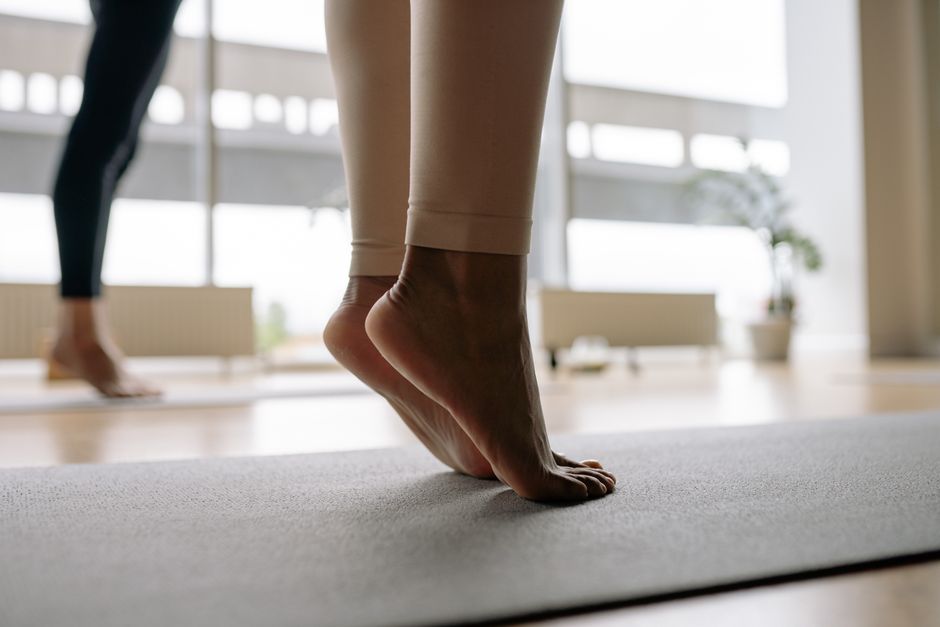
Supination is when your foot rolls outward as you walk or run, putting extra pressure on the outside edge of your foot. Correcting it starts with proper footwear and targeted strengthening exercises. While you cannot change your bone structure, you can improve how your foot lands and reduce the strain that supination causes.
What Is Supination and How Is It Different From Pronation?
Every step you take involves a natural rolling motion of the foot. Pronation is the inward roll that helps absorb shock. Supination is the opposite — the outward roll that happens when your weight moves to the outside edge of your foot.
A small amount of supination is normal. It becomes a problem when your foot stays locked in that outward position through the entire step. This prevents the foot from absorbing impact properly, sending force up through the ankle, knee, and hip.
People often use the terms overpronation and supination as opposites. Overpronation means too much inward rolling. Supination means too much outward rolling. Some doctors call supination underpronation because the foot does not roll inward enough to absorb shock.
How Do I Know If I Supinate?
Look at the soles of your most worn shoes. If the wear is concentrated along the outside edge, especially near the heel and the pinky toe side, that is a strong sign of supination. Overpronators wear down the inside edge near the big toe.
The wet foot test offers another simple check. Wet the bottom of your foot and step on a flat surface like paper or concrete. A normal footprint shows most of the foot with a visible curve on the inside. A supinated footprint shows only a thin strip connecting the heel to the ball of the foot, because the outside edge carries most of the weight.
Some people feel the effects before they notice the pattern. Frequent ankle sprains, shin splints, plantar fasciitis, or pain along the outside of the foot can all be linked to supination. If you have any of these symptoms, it is worth checking your gait or asking a professional to watch you walk.
What Causes Supination?
Foot structure plays the largest role. A high arch is the most common structural cause of supination. A rigid, high-arched foot simply does not roll inward as much as a flexible, flat foot does.
Muscle imbalances can also contribute. Weak muscles on the inside of the lower leg, or tight muscles on the outside, can pull the foot into an outward position. Previous ankle injuries often leave ligaments loose, which changes how the foot tracks through each step.
Neurological conditions can cause supination in some cases, but these are far less common. For most people, supination comes down to foot shape and habitual movement patterns. Understanding the cause matters because it shapes the correction strategy.




How To Correct Supination: Footwear First
Your shoes are the first line of correction. Supinators need shoes with good cushioning and flexibility. Look for a neutral or cushioned shoe rather than a stability shoe. Stability shoes are designed for overpronators and can make supination worse by pushing the foot further outward.
Pay attention to the drop — the difference in height between the heel and the toe. A moderate drop of 8 to 12 millimeters works well for most supinators because it encourages a smoother heel-to-toe transition. Extremely flat shoes can increase strain on the calf and Achilles tendon.
Replace shoes regularly. Running shoes lose their cushioning after roughly 300 to 500 miles, and worn shoes force your foot to work harder to absorb shock. If you see the outside edge of your shoe sole compressing down, it is time for a new pair.
Some people benefit from orthotic inserts designed for high arches. These provide extra cushioning under the heel and along the outside of the foot. Over-the-counter options work for many people, though custom orthotics from a podiatrist may help if you have persistent pain.
Strengthening Exercises for Supination
Exercise cannot change your arch height or bone alignment. What it can do is strengthen the muscles that control foot position, which improves how your foot lands over time.
Focus on the muscles that pull the foot inward — the ones that oppose the supinated position. Calf raises work the muscles along the back of the lower leg. Doing them with your toes pointed slightly inward targets the inner calf muscles specifically.
Heel walking strengthens the muscles along the front of the shin. Walk on your heels for 30 seconds at a time, several times a day. This builds the tibialis anterior, which helps control foot position during the swing phase of walking.
Towel scrunches work the small muscles inside the foot. Place a towel flat on the floor, rest your foot on it, and use your toes to pull the towel toward you. This strengthens the intrinsic foot muscles that support the arch.
Balance exercises also help. Standing on one foot forces the small stabilizer muscles around the ankle to work. Start on a flat surface, then progress to standing on a cushion or pillow once you feel steady. Better ankle stability reduces the risk of rolling outward on uneven ground.
Stretching and Mobility Work
Tight calf muscles often accompany supination. When the calf is tight, it limits ankle motion and pushes the foot into a more supinated position. Regular calf stretching helps maintain range of motion.
The standing calf stretch is simple. Place your hands on a wall, step one foot back, and press the heel down while keeping the back leg straight. You should feel a stretch along the back of the lower leg. Hold for 30 seconds and repeat on both sides.
Stretching the peroneal muscles — the ones along the outside of the lower leg — can also help. These muscles pull the foot outward, and when they are tight, they reinforce supination. A simple way to stretch them is to sit with your leg straight and gently pull your foot inward and upward with a towel or your hand.
Ankle mobility matters too. Trace the alphabet with your toes while sitting or lying down. This moves the ankle through its full range of motion in every direction, which helps prevent stiffness from locking the foot into one position.
When To See a Professional
Mild supination that does not cause pain often needs no treatment at all. If you supinate but feel fine, footwear choices alone may be enough to keep you comfortable.
See a podiatrist or physical therapist if you have ongoing foot, ankle, or leg pain that does not improve with better shoes and home exercises. They can analyze your gait, identify specific muscle weaknesses, and create a targeted plan.
A professional can also rule out other conditions that mimic supination symptoms. Stress fractures, peroneal tendonitis, and sinus tarsi syndrome can all cause pain on the outside of the foot. These conditions need specific treatment and will not resolve with general supination exercises alone.
Physical therapy is particularly useful if your supination stems from muscle imbalance rather than bone structure. A therapist can measure your strength and flexibility, then prescribe exercises tailored to your specific pattern.
Can Supination Be Fully Corrected?
For most people, the honest answer is no — not completely. Foot bone structure is fixed by adulthood. If you have naturally high arches, your foot will always tend toward supination to some degree.
What you can change is how your foot functions. Strengthening weak muscles, stretching tight ones, and choosing appropriate footwear can improve your gait pattern and reduce symptoms. Many people find that with consistent effort, their pain decreases and their walking feels smoother.
The goal is not perfect alignment. The goal is pain-free movement. If your supination is not causing symptoms, there is no medical reason to force a change. If it is causing pain or frequent injuries, the strategies above can help you manage it effectively.
Frequently Asked Questions
Can supination be fixed with exercises?
Exercises can strengthen the muscles that control foot position and improve how your foot lands, but they cannot change your bone structure. Consistent strengthening and stretching can reduce symptoms even if your foot shape stays the same.
What kind of shoes are best for supination?
Cushioned neutral shoes with a moderate heel-to-toe drop work best for most supinators. Stability shoes designed for overpronation can worsen supination by pushing the foot further outward.
Is supination the same as having high arches?
High arches are the most common cause of supination, but the two are not identical. Supination describes how the foot rolls during movement, while arch height describes foot structure. A person with high arches can still have a relatively normal gait.
Do supinators need orthotics?
Some supinators benefit from cushioned orthotics that support high arches, but not everyone needs them. Over-the-counter options are worth trying first, and custom orthotics may help if you have persistent pain that does not respond to other measures.
