
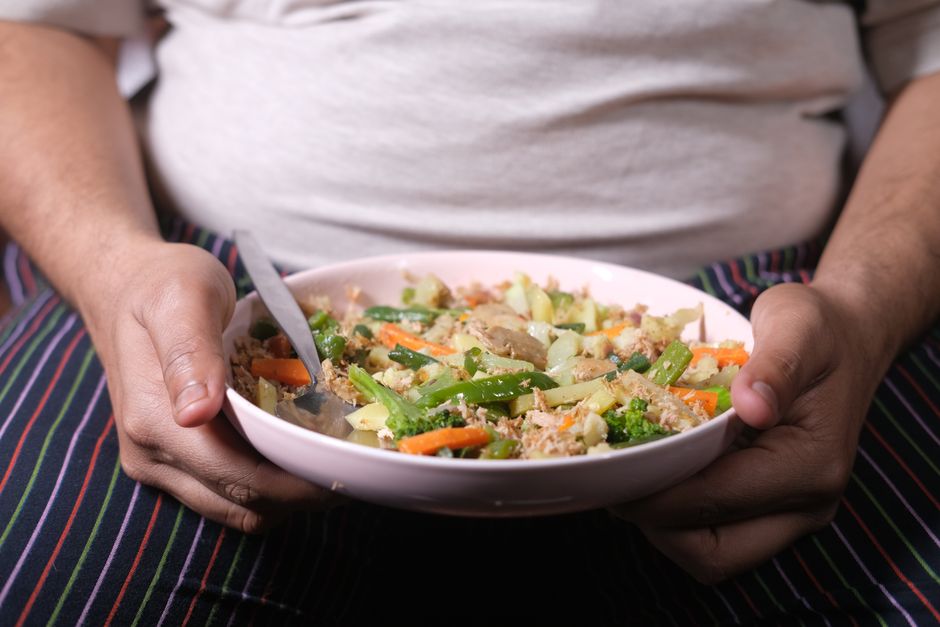
Cabbage is one of the most affordable and versatile vegetables you can buy, and it fits naturally into a weight loss plan because it is low in calories and high in water and fiber. A single cup of cooked cabbage has roughly 35 calories, making it an easy way to add volume to a meal without adding many calories. The six easiest ways to cook cabbage for weight loss are steaming, stir-frying with minimal oil, roasting, boiling, adding it to soups, and using it raw as a crunchy wrap or slaw base.
Why Cabbage Works for Weight Loss
Cabbage is a cruciferous vegetable, like broccoli and kale. It is naturally low in calories and contains a good amount of dietary fiber. Fiber slows digestion and helps you feel full after a meal, which can reduce the urge to snack later.
The water content in cabbage is also high, often over 90 percent. Foods with high water volume can help you feel satisfied while consuming fewer calories overall. This is a simple concept called energy density, and cabbage is a strong example of a low-energy-dense food.
No single food causes weight loss on its own. Weight loss happens when you consistently eat fewer calories than your body uses. Cabbage helps because it replaces higher-calorie sides and fills your plate without inflating your calorie total.
How To Cook Cabbage For Weight Loss 6 Easy Ways?
These six cooking methods are the most reliable ways to prepare cabbage without adding unnecessary fats or sugars. Each method keeps the vegetable’s natural structure and nutrients intact while making it easy to eat in larger amounts.
1. Steaming
Steaming is the most straightforward method. Cut the cabbage into wedges or thick slices. Place it in a steamer basket over boiling water, cover, and cook for five to seven minutes until tender.
Steaming softens the cabbage without requiring any oil. You can season it with lemon juice, vinegar, or a light sprinkle of salt after cooking. The texture stays firm enough to hold its shape, and the flavor remains mild.
2. Stir-Frying with Minimal Oil
Stir-frying is fast and gives cabbage a slightly caramelized flavor. Use a nonstick pan or a well-seasoned wok. Heat one teaspoon of oil, add sliced cabbage, and cook over medium-high heat for four to five minutes, stirring constantly.
The key is to use a small amount of oil. One teaspoon of oil adds about 40 calories, which is still reasonable if the cabbage is the main part of the dish. Add garlic, ginger, or a splash of low-sodium soy sauce for flavor without heavy sauces.
3. Roasting
Roasting brings out a natural sweetness in cabbage that you do not get from boiling. Cut the cabbage into wedges, spray lightly with olive oil, and spread on a baking sheet. Roast at 425°F for 15 to 20 minutes, flipping once, until the edges are browned and crisp.
Roasted cabbage develops a tender interior and a crispy exterior. The slight char adds flavor that makes it satisfying on its own. This method works well as a side dish replacing roasted potatoes.
4. Boiling
Boiling is the simplest method of all. Cut cabbage into chunks, place in a pot of lightly salted boiling water, and cook for five to eight minutes until tender. Drain well and season.
Boiling does leach some water-soluble nutrients like vitamin C into the cooking water. If you are boiling cabbage, consider using the cooking liquid as a base for soup or broth so those nutrients are not wasted.
5. Adding to Soups
Shredded cabbage is a natural addition to any vegetable soup. Add it in the last ten minutes of cooking so it softens but does not turn mushy. Cabbage absorbs the flavors of the broth while adding bulk and fiber.
Soups are an excellent weight loss tool because they are high in volume and low in calories. A broth-based soup with cabbage, carrots, and beans can be a full meal for under 300 calories.
6. Raw as a Wrap or Slaw
Not all cabbage preparation involves heat. Large outer leaves can be blanched briefly or used raw as a substitute for tortillas. Fill them with lean protein and vegetables for a low-calorie wrap.
Shredded raw cabbage also makes a crunchy slaw. Use a vinegar-based dressing instead of mayonnaise to keep the calorie count low. A simple dressing of rice vinegar, a little sesame oil, and lime juice works well.
How Much Cabbage Should You Eat?
There is no specific recommended amount of cabbage for weight loss. Cabbage is a vegetable, and general dietary guidance suggests filling half your plate with vegetables at each meal. A serving of cooked cabbage is about one cup.
Eating large amounts of cabbage is generally safe for most people, but it can cause gas and bloating. Cabbage contains raffinose, a type of carbohydrate that ferments in the gut. If you are not used to eating high-fiber vegetables, start with smaller portions and increase gradually.
People taking blood-thinning medication should be aware that cabbage is high in vitamin K. Vitamin K plays a role in blood clotting. If you take warfarin, keep your cabbage intake consistent from day to day and discuss it with your doctor.





Does the Cabbage Soup Diet Work?
You may have heard of the cabbage soup diet, a short-term eating plan that involves eating large amounts of cabbage soup for seven days. It is often described as a way to lose weight quickly.
The diet works only because it is extremely low in calories. Most versions provide around 800 to 1,000 calories per day, which is not sustainable and not nutritionally balanced. The weight lost is often mostly water weight, and it tends to return once you resume normal eating.
There is nothing wrong with eating cabbage soup as part of a balanced diet. The problem is the restrictive nature of the plan. A better approach is to include cabbage in your regular meals rather than making it the only food you eat.
What About Cabbage Supplements or Pills?
Some products claim to offer the benefits of cabbage in pill form. These are not regulated like medications, and no clinical evidence confirms that cabbage supplements help with weight loss.
The benefits of cabbage come from the whole vegetable — its fiber, water, and nutrient content working together. Extracts and pills do not provide the same satiety effect. If you want the benefits, eat the vegetable itself. It is cheaper and more effective.
Common Mistakes When Cooking Cabbage
One common mistake is cooking cabbage in large amounts of butter or bacon fat. This adds significant calories and can turn a low-calorie vegetable into a high-calorie side dish. Use oil sparingly and rely on herbs, spices, vinegar, and citrus for flavor.
Another mistake is overcooking. Cabbage that is boiled for too long becomes mushy and develops a strong sulfur smell. This happens because prolonged cooking breaks down sulfur-containing compounds. Cook cabbage just until tender, not beyond.
Finally, do not discard the darker outer leaves. They contain more nutrients than the pale inner leaves. Wash them thoroughly and use them in cooking or as wraps.
Simple Meal Ideas with Cabbage
Cabbage is easy to incorporate into everyday meals. For breakfast, add shredded cabbage to scrambled eggs or a vegetable omelet. For lunch, use cabbage leaves as a wrap with turkey and mustard instead of bread.
For dinner, stir-fry cabbage with chicken breast, bell peppers, and a light soy-ginger sauce. Serve it over cauliflower rice instead of white rice. This combination is filling, high in protein, and moderate in calories.
You can also add cabbage to stir-fries, grain bowls, and tacos. Its mild flavor pairs well with garlic, ginger, chili, lemon, and vinegar. The more you use it, the more natural it becomes as a regular part of your meals.
Frequently Asked Questions
Is cooked cabbage better than raw cabbage for weight loss?
Both cooked and raw cabbage are low in calories and high in fiber, so either works for weight loss. Raw cabbage has a crunchier texture and slightly more vitamin C, while cooked cabbage is softer and easier to eat in larger volume.
How many calories are in a cup of cooked cabbage?
One cup of cooked cabbage contains about 35 calories. This makes it one of the lowest-calorie cooked vegetables you can add to a meal.
Can I eat cabbage every day for weight loss?
Yes, eating cabbage daily is safe for most people as part of a varied diet. Start with smaller portions if you are not used to high-fiber foods to avoid gas and bloating.
Does cabbage burn belly fat?
No food specifically burns belly fat, including cabbage. Weight loss, including fat loss around the midsection, comes from an overall calorie deficit and regular physical activity.
