
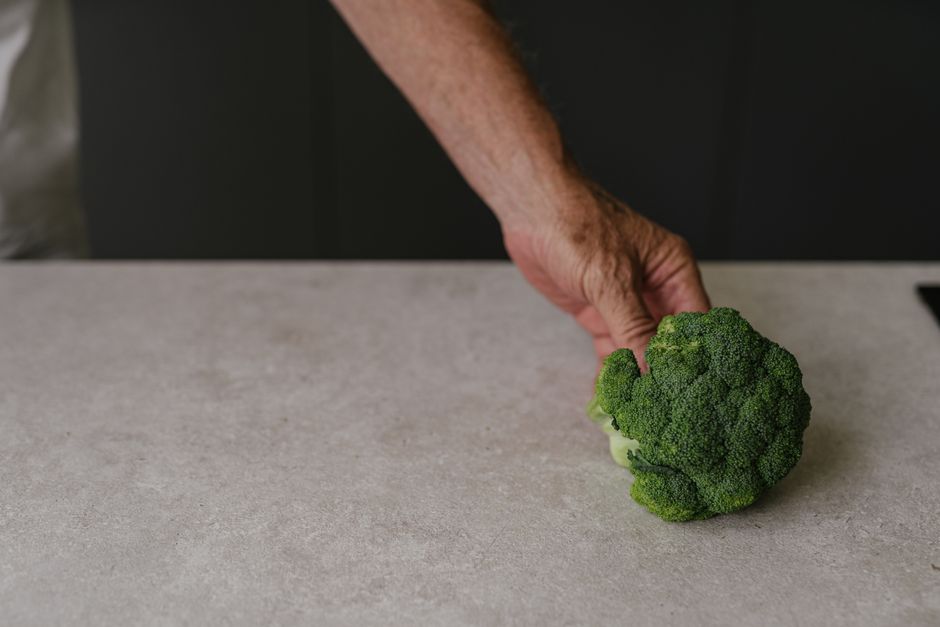
Broccoli holds onto its nutrients best when you cook it fast and hot, or not at all. Steaming for a few minutes, microwaving briefly, or stir-frying quickly preserves far more vitamin C and other water-soluble nutrients than boiling does. The single biggest mistake is dropping it into a large pot of water and cooking it until soft.
That one habit can strip out a large share of the vitamins broccoli is known for. The good news is that protecting those nutrients takes very little effort once you understand what is actually happening inside the vegetable.
What Nutrients Are in Broccoli and Why Do They Matter?
Broccoli is a genuinely nutrient-dense vegetable, and the nutrients most people associate with it are also the ones most easily lost in cooking.
Vitamin C is the headline nutrient. A cup of raw broccoli contains a substantial amount of vitamin C, though the exact figure varies by freshness and variety. Vitamin C is water-soluble, which means it dissolves into cooking water and is destroyed by prolonged heat. That combination makes it the nutrient most vulnerable to careless cooking.
Broccoli also provides vitamin K, folate, potassium, and small amounts of vitamin A. These are handled differently by heat. Vitamin K and vitamin A are fat-soluble and relatively stable. Folate is water-soluble and heat-sensitive, similar to vitamin C.
Then there are the compounds that have drawn the most research attention: glucosinolates. These are sulfur-containing compounds found in broccoli and other cruciferous vegetables. When the plant’s cells are broken — by chopping, chewing, or blending — an enzyme called myrosinase converts glucosinolates into active compounds such as sulforaphane. This conversion is a key step, and it is where cooking method matters in a way most people never consider.
Broccoli also contains fiber, which is largely unaffected by normal cooking. Fiber is one nutrient you do not need to worry about losing.
How Does Boiling Affect Broccoli’s Nutrients?
Boiling is the harshest common cooking method for broccoli’s water-soluble nutrients. The reason is straightforward: water-soluble vitamins leach out of the vegetable and into the cooking water, which is then poured down the drain.
The longer broccoli sits in hot water, the more leaching occurs. Cutting the broccoli into small pieces increases the surface area and speeds up the loss. Using a large volume of water also increases leaching compared to using just a small amount.
Vitamin C is the nutrient most affected. Research has consistently found that boiling causes substantial losses of vitamin C in broccoli, generally more than steaming or microwaving. Folate follows a similar pattern.
There is one practical fix if you do boil broccoli: keep the cooking water and use it in soups, sauces, or gravies. Some of the leached nutrients end up in that liquid, so reusing it recovers a portion of what would otherwise be lost. This does not fully solve the problem, but it reduces waste.
Boiling also softens broccoli quickly, and overcooking turns it mushy and dull green. That color change reflects breakdown of chlorophyll, not nutrient loss specifically, but it is a useful visual signal that the broccoli has been cooked longer than necessary.
What Is the Best Way To Cook Broccoli Without Losing Nutrients?
Steaming is the method that best preserves broccoli’s nutrients among common cooking techniques. It uses minimal water and short cooking time, which limits both leaching and heat damage.
The key detail is to keep the broccoli out of the water. Steam it in a basket or steamer insert above boiling water, covered, until it turns bright green and is just tender. That usually takes only a few minutes. The exact time depends on how large the florets are and how much broccoli is in the pot.
Microwaving is a close second and is often underestimated. Microwaving with a small amount of water and a cover cooks broccoli quickly with minimal leaching. Some research has found that microwaving preserves vitamin C as well as or better than steaming, largely because the cooking time is so short.
Stir-frying is also a strong option. The high heat and short cooking time limit nutrient loss, and because the broccoli is not sitting in water, there is little leaching. The oil used in stir-frying can actually help with one nutrient: vitamin K and vitamin A are fat-soluble, so a small amount of oil improves their absorption.
Roasting at high heat works well too. The dry heat means no leaching, and the short-to-moderate cooking time limits heat damage. Roasted broccoli browns slightly, which adds flavor through the same browning reactions that affect other roasted vegetables.
What all of these methods share is speed and minimal water. That is the core principle behind cooking broccoli without losing nutrients.
Does Cutting Broccoli Affect Its Nutrients?
How you cut broccoli matters more than most people realize, and the reason connects to the glucosinolate system described earlier.
When you chop broccoli, you break cells and release myrosinase, the enzyme that converts glucosinolates into sulforaphane. This is a good thing — but the enzyme is destroyed by heat. If you cook broccoli immediately after chopping, the heat can deactivate myrosinase before it has time to do its work, reducing sulforaphane formation.
There is a simple workaround that has been studied. Chop or cut the broccoli and let it sit for a period before cooking. This gives myrosinase time to convert glucosinolates into sulforaphane while the enzyme is still active. Some research suggests that letting chopped broccoli rest before cooking can increase sulforaphane levels compared to cooking immediately.
Another approach: add a small amount of raw cruciferous vegetable — like a pinch of raw broccoli, mustard powder, or raw radish — to cooked broccoli. These contain active myrosinase that can help convert glucosinolates even after the broccoli’s own enzyme has been destroyed by heat. Mustard powder in particular has been studied for this effect.
These details matter if you are specifically interested in sulforaphane. If your main concern is vitamin C and folate, cutting method is less important than cooking method.
Does Frozen Broccoli Lose Nutrients?
Frozen broccoli is often just as nutritious as fresh, and sometimes more so. This surprises people, but the reason is timing.
Broccoli begins losing vitamin C as soon as it is harvested. Fresh broccoli that sits in a store or refrigerator for days can lose a meaningful amount of its vitamin C before you ever cook it. Frozen broccoli, by contrast, is typically blanched and frozen shortly after harvest, which locks in nutrients at a point when they are near their peak.
Blanching does cause some nutrient loss, particularly of water-soluble vitamins, but the freezing process then halts further degradation. The net result is that frozen broccoli can hold its own against fresh broccoli that has traveled and sat for a while.
The cooking principles are the same for frozen broccoli. Steam it, microwave it, or stir-fry it. Avoid boiling it into mush. Frozen broccoli is often already partially cooked from blanching, so it needs even less cooking time.
What About Raw Broccoli?
Raw broccoli preserves vitamin C and folate almost completely, since there is no heat to destroy them and no water to leach them out. If maximum nutrient retention is the goal, eating broccoli raw is the simplest answer.
Raw broccoli also keeps myrosinase fully active, so sulforaphane formation proceeds normally when you chew it. Chewing breaks the cells and starts the conversion.
Raw broccoli is not for everyone. It is tough and can be hard to digest, and some people find it causes gas or bloating. Cooking softens the fiber and makes broccoli easier on the digestive system. For many people, a mix of raw and cooked broccoli is a reasonable approach.
One practical note: raw broccoli florets are dense and can be difficult to chew thoroughly. Cutting them into smaller pieces helps, and it also increases the surface area exposed to myrosinase.
Comparison of Cooking Methods
The table below summarizes how common cooking methods affect broccoli’s most vulnerable nutrients. These are general patterns based on established food science, not precise percentages, which vary by cooking time, water volume, and piece size.
| Cooking Method | Water Contact | Vitamin C Retention | Sulforaphane Potential |
|---|---|---|---|
| Raw | None | Highest | High (if chewed well) |
| Steaming | Minimal | High | Moderate |
| Microwaving | Minimal | High | Moderate |
| Stir-frying | None | High | Moderate |
| Roasting | None | Moderate to high | Moderate |
| Boiling | High | Low | Low |
The pattern is clear. Less water and less time means more nutrients retained. Boiling is the outlier, and it is the method most likely to leave broccoli pale, soft, and nutritionally diminished.
Practical Tips for Cooking Broccoli
Keep these habits in mind the next time you cook broccoli:
- Cut broccoli into even pieces so it cooks at the same rate and does not need extra time.
- Let chopped broccoli rest briefly before cooking if you want to maximize sulforaphane.
- Steam or microwave instead of boiling when you can.
- Cook until just tender and bright green, not until soft and dull.
- If you do boil, save the water for soups or sauces.
- Add a pinch of mustard powder or raw cruciferous vegetable to cooked broccoli to boost sulforaphane formation.
- Do not overcook frozen broccoli — it is often partly cooked already.
None of these steps is complicated. They mostly come down to cooking broccoli quickly and keeping it away from large amounts of water.
Does Reheating Broccoli Destroy Nutrients?
Reheating broccoli causes additional nutrient loss, mainly because it exposes the vegetable to heat a second time. Vitamin C is the nutrient most affected, since it degrades with repeated heating.
Reheating in a microwave with a small amount of water is gentler than reheating in a pan with added liquid. Keeping reheating time short limits the damage. The loss from a single reheating is generally smaller than the loss from the original cooking, but it adds up over multiple reheatings.
For sulforaphane, reheating deactivates any remaining myrosinase, so the sulforaphane potential does not improve. Adding a source of fresh myrosinase, like mustard powder, can partially compensate.
Frequently Asked Questions
Does boiling broccoli destroy all its nutrients?
No, boiling does not destroy all nutrients, but it causes the largest losses of water-soluble vitamins like vitamin C and folate compared to other methods. Fiber and fat-soluble vitamins like vitamin K are largely retained.
Is steamed broccoli healthier than raw?
Steaming and raw broccoli both preserve nutrients well, but they differ in what they optimize. Raw broccoli retains the most vitamin C and keeps myrosinase fully active, while steaming softens the fiber and may improve absorption of some fat-soluble nutrients when eaten with oil.
Does frozen broccoli have fewer nutrients than fresh?
Frozen broccoli is often just as nutritious as fresh, and sometimes more so, because it is frozen shortly after harvest when nutrient levels are near their peak. Fresh broccoli can lose vitamin C during transport and storage before you cook it.
How long should I steam broccoli to keep its nutrients?
Steam broccoli only until it turns bright green and is just tender, which is usually a few minutes depending on floret size. Shorter cooking time means less nutrient loss, so avoid steaming until it is soft.
