
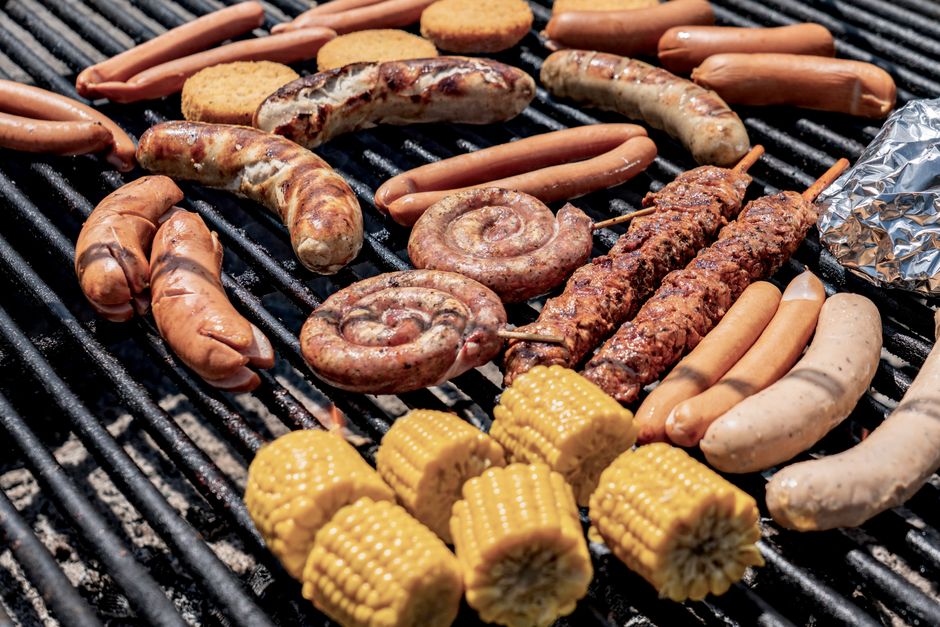
Pan-frying sausage is one of the fastest ways to get a crispy exterior and a juicy interior. The key is to use medium heat, add a splash of water to the pan, and cover it for the first few minutes. This method cooks the sausage through without burning the outside, leaving you with a safe and flavorful result every time.
How To Cook A Sausage On A Pan: The Basic Method
Start with a cold or preheated pan set to medium heat. Do not use high heat. High heat will char the casing before the inside has a chance to cook, leaving you with a burnt shell and a raw center.
Place the sausages in the pan with about two tablespoons of water or broth. Cover the pan with a lid. The trapped steam gently cooks the sausage from the outside in. After about five to seven minutes, remove the lid and let the water evaporate. The sausages will then sizzle in their own fat and develop a golden-brown crust. Turn them occasionally to brown all sides evenly.
This two-stage approach — steam first, then sear — is the most reliable way to cook sausage on a stovetop. It works for fresh pork sausage, Italian sausage, bratwurst, and chicken sausage alike.
Choosing the Right Pan and Fat
A heavy-bottomed skillet works best. Cast iron, stainless steel, or a good nonstick pan all do the job. A heavy pan distributes heat evenly and reduces hot spots that can burn the casing.
You generally do not need to add oil. Sausages release their own fat as they cook. If you are cooking a very lean sausage like chicken or turkey, a light coating of oil on the pan can help prevent sticking. Use just enough to film the surface — about a teaspoon.
Avoid pricking the sausages with a fork. Piercing the casing lets the juices escape, which dries out the meat. The steam method already controls the cooking process, so there is no need to release pressure.
How Long Does Sausage Take to Cook in a Pan?
Total cooking time is typically 12 to 15 minutes for most fresh sausages. The exact time depends on the thickness of the sausage and the heat level.
Here is a rough breakdown of the two-stage method:
- Steam phase: 5 to 7 minutes covered with a splash of liquid.
- Sear phase: 5 to 8 minutes uncovered, turning frequently until browned.
Thick sausages like bratwurst may need a few extra minutes. Thin breakfast links may finish faster. The only reliable way to know a sausage is done is to check its internal temperature with a meat thermometer.


What Internal Temperature Is Safe?
Ground meat sausages — which includes almost all sausages — must reach an internal temperature of 160°F (71°C) to be safe to eat. This is the standard set by the USDA for ground meats.
Poultry sausages (chicken or turkey) must reach 165°F (74°C). Insert the thermometer probe into the thickest end of the sausage, avoiding the pan surface. If the sausage has not reached the target temperature, return it to the pan and continue cooking over medium heat.
Do not rely on visual cues alone. A sausage can look browned and crisp on the outside while the center is still undercooked. The thermometer is the only accurate check.
Why Do Sausages Split or Burst?
Sausages split when the inside expands faster than the casing can stretch. This happens when the heat is too high. The moisture inside turns to steam quickly, building pressure that tears the casing.
The covered steam method reduces this risk because it cooks the sausage more gently. Starting with a cold pan also helps. If you place sausages into a screaming-hot pan, the outside seizes up while the inside still needs time to cook. That mismatch causes splitting.
A split sausage is not dangerous — it just loses some juiciness. If you prefer intact sausages, keep the heat at medium and do not rush the process.
Should You Boil Sausage Before Pan-Frying?
Some people simmer sausages in beer, broth, or water before searing them. This is a common technique for bratwurst. It fully cooks the inside first, then the pan sear adds color and texture.
This method works well but is not required. The covered pan method described above achieves the same result with less cleanup. If you choose to pre-simmer, do not boil aggressively. A gentle simmer for 10 minutes is enough. Boiling can cause the casing to split and can leach flavor from the meat.
After simmering, pat the sausages dry before adding them to the pan. Excess moisture on the surface will steam rather than sear, preventing browning.
Common Mistakes to Avoid
Several small errors cause most disappointing pan-fried sausage results. Here is what to watch for:
- Using high heat. This burns the outside and leaves the center raw.
- Not covering the pan. Without steam, the sausage cooks unevenly and takes longer.
- Pricking the casing. This drains juices and produces dry sausage.
- Turning too often. Let each side develop color before flipping.
- Skipping the thermometer. Guessing doneness by color is unreliable.
If you notice the pan getting too dark or the fat starting to smoke, lower the heat immediately. A smoking pan means the surface temperature is too high for gentle cooking.
How To Serve Pan-Fried Sausage
Let the sausages rest for two to three minutes after removing them from the pan. Resting allows the juices to redistribute throughout the meat. Cutting into a sausage immediately lets those juices run out onto the plate.
Pan-fried sausage pairs well with sautéed onions and peppers, on a bun with mustard, or alongside roasted vegetables. The pan drippings can be deglazed with a splash of broth or wine to make a quick pan sauce. Scrape the browned bits from the bottom of the pan as you stir — that is where much of the flavor lives.
Leftover cooked sausage keeps in the refrigerator for three to four days. Reheat gently in a pan over low heat or in the microwave. Reheating on high heat will dry it out.
Frozen Sausage: Can You Pan-Fry It Directly?
Yes, but it takes longer. Frozen sausages need roughly 18 to 22 minutes using the covered steam method. The steam phase needs extra time to thaw and cook the center.
The safest approach is to thaw sausages in the refrigerator overnight before cooking. This shortens cooking time and gives you more control over browning. If you must cook from frozen, keep the pan covered for a longer steam phase and check the internal temperature carefully before serving.
Do not use high heat to speed up the process. The outside will brown long before the frozen center thaws, and you will end up with a burnt exterior and a raw middle.
Frequently Asked Questions
Do I need oil to cook sausage in a pan?
No, most sausages release enough fat on their own. For lean poultry sausages, a light coating of oil prevents sticking.
How do I know when a sausage is fully cooked?
Use a meat thermometer. Fresh pork and beef sausages need an internal temperature of 160°F, while poultry sausages need 165°F.
Why does my sausage burst open when cooking?
Heat that is too high causes the inside to expand faster than the casing can stretch. Cook over medium heat with the pan covered for the first few minutes.
Can I cook frozen sausages in a pan?
Yes, but expect it to take about 18 to 22 minutes. Thawing in the refrigerator overnight gives you more control and better browning.
