
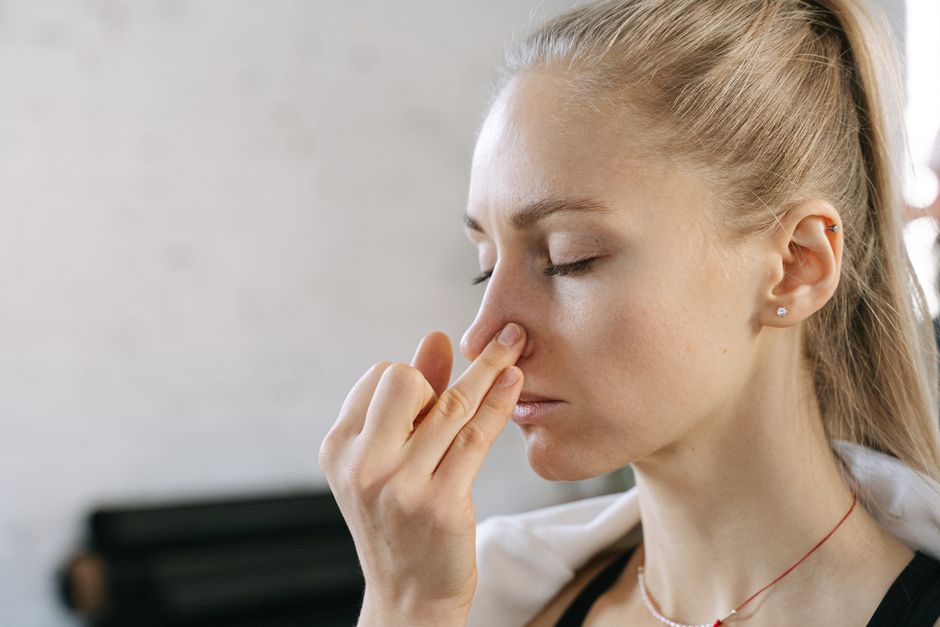
A runny nose and sneezing are your body’s way of flushing out irritants and allergens. You can control them by identifying the trigger, using saline rinses, taking antihistamines or intranasal corticosteroids when appropriate, and avoiding the things that set them off. Most people get relief from a mix of these steps rather than any single fix.
The sneeze itself is a reflex. Something irritates the lining of your nose, and your nervous system responds by forcing air out fast to clear it. A runny nose is often the same story — extra fluid and mucus produced to wash away whatever does not belong. When that system works well, it protects you. When it fires too often, it becomes the problem.
What Actually Causes a Runny Nose and Sneezing?
The causes fall into a few broad groups, and knowing which one you are dealing with changes everything about how you treat it.
Allergic rhinitis is the most common trigger. Your immune system mistakes something harmless — pollen, dust mites, pet dander, mold — for a threat and releases histamine. Histamine opens blood vessels in your nose, makes the lining swell, and ramps up mucus. That is why allergy symptoms often come with itchy eyes and repeated sneezing in bursts.
Non-allergic rhinitis looks similar but has nothing to do with the immune system’s allergy response. Cold air, strong smells, smoke, spicy food, or changes in temperature can set it off. It tends to cause a runny nose more than sneezing, and it often lasts year-round.
Infections — most often the common cold — cause inflammation and mucus as your body fights a virus. Early in a cold, the discharge is usually clear and watery. Later it can thicken and turn white or yellow. That color change is normal and does not by itself mean you have a bacterial infection.
Other possibilities include medication side effects, hormone changes, and structural issues inside the nose. If symptoms are one-sided, bloody, or long-lasting, that points to something that needs a medical look rather than a home fix.
How To Control Running Nose And Sneezing
The best approach depends on the cause, but a few steps help across the board.
Saline nasal rinses are a solid first move. Rinsing with salt water clears allergens and irritants out of your nose and thins mucus. Research shows saline irrigation can reduce symptoms of both allergic and non-allergic rhinitis. Use distilled, sterile, or previously boiled and cooled water — never straight tap water, because of the rare but serious infection risk.
Antihistamines work best when histamine is the main driver, which usually means allergies. Older ones can make you drowsy. Newer, non-drowsy options are generally preferred for daytime use. They can dry out your nose, so they may not help a runny nose that is not allergy-related.
Intranasal corticosteroids are the most effective single treatment for allergic rhinitis for many people. They reduce inflammation in the nose lining directly. They take time to work — often several days to a couple of weeks — so they are a prevention tool, not a rescue medication. Use them consistently rather than only when symptoms flare.
Decongestant sprays shrink swollen tissue fast, but using them for more than three days in a row can cause rebound congestion that is worse than what you started with. That limit is well established. Oral decongestants avoid rebound but can raise blood pressure and cause jitteriness, so they are not right for everyone.
For sneezing specifically, avoiding the trigger does more than any medication. If you can name what sets it off, you have already won half the battle.
Can You Stop a Sneeze Once It Starts?
Mostly no. Once the reflex is triggered, it usually runs its course. Trying to hold a sneeze by pinching your nose and closing your mouth is not a good idea — it can push pressure into your ears and, in rare cases, cause injury.
What you can do is reduce how often the reflex fires. Keeping allergens out of your nose in the first place means fewer triggers. That is why prevention beats reaction here.
If you feel a sneeze building, some people find that pressing firmly under the nose or breathing through the mouth can sometimes head it off. This is not well studied, and it does not work for everyone. It is harmless to try, but do not count on it.





What Home Steps Actually Help?
A few simple habits make a real difference, and none of them require a prescription.
- Keep windows closed during high-pollen periods, and use air conditioning with a clean filter.
- Rinse your nose with saline once or twice a day, especially after being outdoors.
- Shower and change clothes after spending time outside to remove pollen from your skin and hair.
- Wash bedding in hot water regularly to reduce dust mites.
- Use a humidifier if dry air irritates your nose — but keep it clean to avoid mold growth.
- Drink enough fluids to keep mucus thin.
None of these are cures. They lower your exposure and ease symptoms, which is often enough to make the day manageable.
When Should You See a Doctor?
Most runny noses and sneezing are not dangerous. But some signs mean it is time to get checked.
See a doctor if symptoms last more than a few weeks, if they are severe enough to disrupt sleep or daily life, or if over-the-counter treatments are not helping. Also seek care if you notice one-sided blockage, blood in the discharge, facial pain or pressure, or loss of smell that does not return.
For children, older adults, and people with asthma or weakened immune systems, symptoms can be more serious. A cold that lingers or worsens in these groups deserves a medical visit rather than watchful waiting.
If you have tried the standard steps and nothing works, that is not a failure on your part. It often means the cause is something specific — like a structural issue or a non-allergic trigger — that needs a proper diagnosis.
Does Medicine Choice Really Matter?
Yes, and matching the medicine to the cause is where most people go wrong.
Antihistamines help allergic causes. They do little for a cold or for non-allergic triggers. Decongestants help with stuffiness but not with sneezing or a watery run. Steroid sprays help allergic inflammation over time but do nothing for an infection.
This is why the same remedy can feel like a miracle for one person and useless for another. The symptom looks the same. The cause is not.
If you are unsure what you are dealing with, start with saline rinses and trigger avoidance. Those are low-risk and help regardless of cause. Then add medication based on what seems to fit your pattern.
Frequently Asked Questions
How do I stop a runny nose fast?
A saline rinse and an antihistamine (if allergies are the cause) are the quickest reliable steps. Decongestant sprays work fast but should not be used for more than three days in a row.
Why do I sneeze so much in the morning?
Morning sneezing often points to dust mites in bedding or to pollen that built up overnight. Washing bedding in hot water and rinsing your nose after waking can reduce it.
Can allergies cause sneezing but no runny nose?
Yes. Some people get repeated sneezing and itching with little discharge, while others get a constant runny nose. The pattern varies by person and by trigger.
Are over-the-counter allergy pills safe to take every day?
Newer non-drowsy antihistamines are generally considered safe for regular use in healthy adults. Check with a doctor if you take other medications or have a chronic condition.
