
Your heart is pounding, your hands are shaking, and your mind has gone blank. That reaction is your body’s stress response doing exactly what it evolved to do. You can calm it down in minutes using slow breathing, grounding techniques, and brief physical actions that shift your nervous system out of alarm mode. These methods work because they change real physiology, not because you talk yourself out of feeling nervous.
What Happens in Your Body When You Feel Nervous?
Nervousness is a stress response. Your brain detects a threat, real or imagined, and activates the sympathetic nervous system. This is the branch of your nervous system that prepares you to act under pressure.
Adrenaline and cortisol flood your bloodstream. Your heart rate climbs. Breathing gets faster and shallower. Blood shifts toward your large muscles and away from your digestive tract. Your pupils widen. These changes are useful if you need to run or fight. They are less helpful when you need to give a presentation or sit through a job interview.
What most people do not realize is that this system has a built-in brake. The parasympathetic nervous system, mainly through the vagus nerve, slows your heart and calms your body. The two systems are always working in balance. Fast nerve control means deliberately activating the calming side.
One detail worth knowing: the physical sensations of nervousness and excitement are nearly identical. Increased heart rate, faster breathing, and adrenaline are the same in both states. What differs is how your brain interprets them. Some research suggests that telling yourself you are excited rather than trying to calm down can improve performance. The technique is sometimes called reappraisal, and it works better for some people than for others.
How To Control Nerves Fast Techniques That Work
The fastest techniques all work through the same route. They change your breathing, your body position, or your attention, which sends signals back to your brain that the threat has passed.
Slow Breathing
This is the most reliable tool you have. Slow, controlled breathing directly stimulates the vagus nerve and shifts your nervous system toward calm. It works in about one to two minutes.
The key is making your exhale longer than your inhale. Try breathing in through your nose for a count of four, then out through your mouth for a count of six or eight. Repeat for one to two minutes. The long exhale is what matters most. It is the phase of breathing most strongly linked to parasympathetic activation.
Do not force it. If a count of four feels too long, shorten it. The goal is slow and steady, not strained.
The Physiological Sigh
This is a breathing pattern your body already does on its own, usually during sleep or after crying. It is two quick inhales through the nose followed by one long exhale through the mouth. The double inhale reopens tiny air sacs in your lungs, and the long exhale slows your heart.
One or two of these can take the edge off quickly. It is not a replacement for slower breathing over a few minutes, but it is useful when you have seconds, not minutes.
Grounding With Your Senses
Nervousness pulls your attention into the future and into your own body. Grounding techniques pull it back to the present.
A common method is to name five things you can see, four you can touch, three you can hear, two you can smell, and one you can taste. Going through the list takes about a minute and interrupts the spiral of anxious thoughts.
Physical grounding can work just as well. Press your feet firmly into the floor. Hold something cold in your hand. Splash cold water on your face. These sensations compete with the alarm signals your body is sending.
Movement and Muscle Release
Adrenaline prepares your body for movement. If you do not move, the energy has nowhere to go. Brief physical activity can help burn it off.
Shake out your hands and arms for ten to fifteen seconds. Roll your shoulders. Stand up and walk for a minute. Tensing a muscle group for five seconds and then releasing it, working from your feet up to your face, is a technique called progressive muscle relaxation. It gives your body a clear contrast between tension and release.
Which Technique Works Fastest?
Different techniques fit different situations. The table below compares them by speed and by when they are most useful.
| Technique | Time to Effect | Best Used When |
|---|---|---|
| Physiological sigh | Seconds | You need immediate relief and have very little time |
| Slow breathing with long exhale | 1 to 2 minutes | You have a few minutes before a stressful event |
| Cold water on face | Seconds to a minute | You need a strong physical reset |
| Sensory grounding | About 1 minute | Your thoughts are spiraling and you need to refocus |
| Progressive muscle relaxation | 5 to 10 minutes | You have more time and want a deeper calm |
If you only remember one thing, remember the long exhale. It is the simplest lever you have over your own nervous system.




Why Does Splashing Cold Water on Your Face Help?
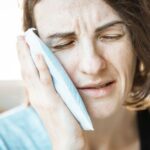
Cold water on your face triggers what is called the dive reflex. It is a built-in response that slows your heart rate and redirects blood flow. The reflex is strongest when cold water covers your face, particularly your forehead and around your eyes.
This is why splashing cold water or holding a cold pack to your face can calm you down quickly. Some clinicians recommend it for acute anxiety. The effect is real and measurable, though it tends to be brief. It works best as a reset, not as a long-term solution.
One caution: people with certain heart conditions should be careful with this technique, because it can slow the heart significantly. If you have a diagnosed heart rhythm problem, talk to your doctor before using it.
Do These Techniques Work for Everyone?
No. The evidence here is mixed, and honesty matters more than encouragement.
Breathing techniques have the strongest support. Research consistently shows that slow breathing activates the parasympathetic nervous system and can lower heart rate and reduce feelings of anxiety in the moment. This is well established.
Grounding techniques are widely used and generally considered helpful, but the research on them is less rigorous than the research on breathing. Many studies are small or rely on self-reported results.
For people with an anxiety disorder, these techniques can help manage acute moments, but they are not a treatment for the underlying condition. If nervousness is frequent, intense, or interfering with your daily life, that is a different situation. Talk to a doctor or mental health professional. Effective treatments exist, including therapy and medication, and they are backed by much stronger evidence than any quick calming trick.
What Makes Nerves Worse?
Some common habits make the stress response harder to control.
- Caffeine raises heart rate and mimics the physical signs of anxiety. If you are already nervous, more coffee can push you further into alarm mode.
- Shallow chest breathing keeps your body in a mild state of stress. Many people breathe this way without noticing.
- Holding your breath when you are tense increases the sense of panic. It is a common reflex under pressure.
- Fighting the feeling often backfires. Trying hard to suppress nervousness can make it stronger.
Sleep matters too. Not getting enough sleep makes the stress response more reactive the next day. This is well documented, and it is one of the most consistent findings in stress research.
Can You Prevent Nerves Before They Start?
You cannot eliminate nervousness, and trying to may not be the goal. But you can lower your baseline reactivity so the spike is smaller when it comes.
Regular slow breathing practice, even a few minutes a day, appears to improve how well people regulate their nervous system over time. This is different from using breathing only in a crisis. The benefit seems to come from repetition.
Physical activity is one of the most reliable ways to reduce baseline anxiety. It does not need to be intense. Regular movement, most days of the week, is linked to lower anxiety levels in many studies.
Getting enough sleep, limiting caffeine, and preparing in advance for stressful events all reduce how strongly your body reacts. None of these is a cure. All of them shift the odds in your favor.
Frequently Asked Questions
What is the fastest way to calm down when you are nervous?
The fastest method is a long, slow exhale, either through one extended breath or a physiological sigh. It can begin to slow your heart within seconds.
Does splashing cold water on your face really calm your nerves?
Yes, cold water on the face triggers the dive reflex, which slows your heart rate. The effect is real but short-lived, so it works best as a quick reset.
Can breathing exercises stop anxiety long term?
Breathing exercises help manage nervousness in the moment, and regular practice may improve how well you regulate stress over time. They are not a treatment for an anxiety disorder, which usually needs professional care.
Why does caffeine make nervousness worse?
Caffeine raises heart rate and can mimic the physical signs of anxiety, which your brain may interpret as a threat. Cutting back can reduce how strongly your body reacts.
