
Impulsive behavior in children is a normal part of development, not a sign of bad parenting. Young children act before they think because the part of the brain that controls impulses is still growing. You can help your child build self-control by using clear routines, teaching emotional words, and staying calm when they act out. The goal is not to stop every impulsive moment, but to give your child tools to pause before they act.
Why Is My Child So Impulsive?
Impulsivity is acting without thinking about the consequences. It is common in young children and often peaks between ages 3 and 5. The prefrontal cortex, the brain region responsible for planning and self-control, is not fully developed until the mid-20s. So a child acting on impulse is not being defiant — their brain is simply not wired yet to stop.
Some children are naturally more impulsive than others. Temperament plays a role. A child who is highly active, curious, or intense may show more impulsive behavior. This is not necessarily a problem. It becomes a concern when impulsivity interferes with school, friendships, or safety on a regular basis.
How To Control Impulsive Behavior In Your Child: Start With The Environment
You cannot change your child’s brain development overnight, but you can change what surrounds them. The environment is the most powerful tool you have. If a child cannot reach something, they cannot grab it impulsively. If a room is calm and organized, there are fewer triggers for chaotic behavior.
Set up your home to make good choices easy. Keep tempting items out of reach. Have a clear, predictable daily schedule. Children feel safer and act more calmly when they know what comes next. A consistent routine reduces the anxiety that often fuels impulsive outbursts.
Teach Your Child To Pause Before Acting
Self-control is a skill, and skills can be taught. The most effective technique is simple: teach your child to pause. You can practice this through games like “red light, green light” or “freeze dance.” These games make stopping fun and give your child practice at controlling their body on command.
When you see your child about to act impulsively, use a calm verbal cue. Say “stop” or “wait” in a neutral tone. Then guide them through the next step: “Take a breath. What do you need right now?” Over time, this external cue becomes internal. Your child learns to say “stop” to themselves.
Some research suggests that mindfulness exercises can help children improve attention and self-regulation. Simple breathing exercises, like “smell the flower, blow out the candle,” can be done anywhere. These techniques do not work instantly, but regular practice builds the pause muscle.
Use Clear Consequences, Not Punishment
Impulsive behavior needs consequences, but not harsh ones. Punishment tends to increase anxiety, which makes impulsive behavior worse. Instead, use natural and logical consequences that are immediate and brief. If a child throws a toy, the toy is put away for a short time. If a child runs into the street, they must hold your hand.
The consequence must happen right away. A child with poor impulse control cannot connect a consequence hours later to their action. Keep it short. A 4-year-old does not understand a week-long grounding. A few minutes of losing a privilege is enough.
After the consequence, reconnect. Explain what happened in simple words: “You threw the truck, so the truck is resting. We can try again later.” This teaches the lesson without shame. Shame makes children feel bad about who they are, not about what they did.
Label Emotions To Build Self-Awareness
Many impulsive behaviors come from feelings a child cannot name. A child who cannot say “I am frustrated” will throw a block. A child who cannot say “I am tired” will have a meltdown in the grocery store. Helping your child name their emotions gives them an alternative to acting out.
Use feeling words throughout the day. When your child is calm, talk about emotions in books or during play. When they are upset, help them label what is happening: “You look angry that we have to leave the park.” Once a feeling is named, it becomes easier to manage.
Research shows that emotional labeling alone can reduce the intensity of a feeling. This is true for adults and children. The simple act of putting a word to an emotion activates the reasoning part of the brain and calms the emotional center.
Praise The Behavior You Want To See
Children repeat behaviors that get attention. If impulsive behavior gets a big reaction, it will continue. If calm, patient behavior gets attention, that will grow. Catch your child being good and say something specific: “I saw you wait for your turn. That was really patient.”
Be specific with praise. “Good job” does not teach anything. “You stopped yourself from grabbing the cookie and asked first. That was great self-control” tells the child exactly what to do again. Praise the effort, not just the outcome.
Do not overpraise. Children can tell when praise is not genuine. One sincere, specific comment is worth more than ten generic ones. Praise should be immediate and tied to a specific behavior.
When To Seek Professional Help
Most impulsive behavior is a normal part of growing up. But sometimes it signals something more. If your child’s impulsivity is dangerous, severely disrupts school or family life, or does not improve with consistent strategies, talk to a pediatrician.
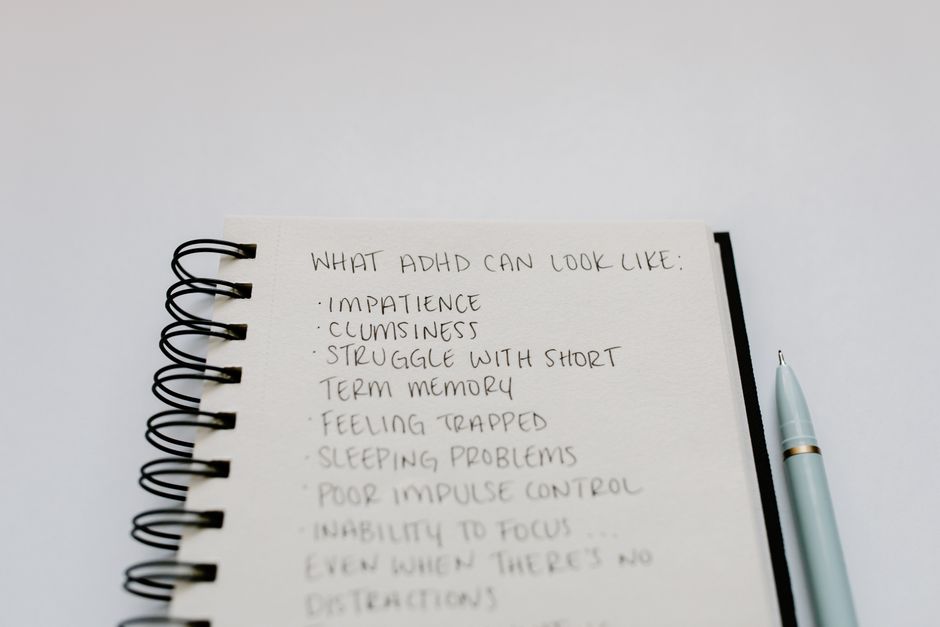
Conditions like attention deficit hyperactivity disorder (ADHD) involve impulsivity as a core symptom. But many children who are impulsive do not have ADHD. A professional evaluation looks at the whole picture: behavior at home, at school, and with peers. Do not assume a diagnosis based on one symptom.
No parent should feel ashamed to ask for help. Early intervention is effective. A pediatrician or child psychologist can provide guidance tailored to your child’s specific needs. This is not about labeling your child — it is about getting them the right support.
The Role Of Sleep And Nutrition
A tired child is an impulsive child. Sleep deprivation directly affects the prefrontal cortex, the same brain region responsible for self-control. Children who do not get enough sleep show more emotional reactivity and poorer impulse control. Most school-age children need 9 to 12 hours of sleep per night.
Nutrition also plays a role, though the evidence is less clear. Low blood sugar can make any child irritable and impulsive. Regular meals and snacks with protein and complex carbohydrates help stabilize blood sugar. Some research suggests food additives and artificial colors may affect behavior in some children, but the evidence is mixed and does not apply to all kids.
Do not chase expensive supplements or restrictive diets. Focus on the basics: regular sleep, consistent meals, and physical activity. These are the foundations of emotional regulation. If you suspect a food sensitivity, talk to your pediatrician rather than cutting out foods on your own.
What Not To Do
Do not shame a child for impulsive behavior. Saying “why can’t you just behave?” teaches nothing and damages self-esteem. Do not lecture. A long explanation is lost on a child who is already overwhelmed. Keep your words short and calm.
Do not expect perfection. Self-control develops over years. There will be bad days. There will be public meltdowns. These are not failures — they are practice opportunities. What matters is how you respond and what you teach for next time.
Do not compare your child to siblings or peers. Children develop self-control at different rates. Some children are naturally more impulsive and need more support. That is not a character flaw. It is just how their brain is wired right now.
Frequently Asked Questions
At what age do children develop impulse control?
Most children show significant improvement in impulse control between ages 3 and 5, but the brain region responsible for self-control is not fully developed until the mid-20s.
Can impulsive behavior be a sign of ADHD?
Yes, impulsivity is a core symptom of ADHD, but many impulsive children do not have the condition.
How long does it take for impulse control strategies to work?
Consistent strategies usually show noticeable improvement within a few weeks, but lasting change takes months of practice.
Is impulsive behavior in children ever normal?
Yes, impulsive behavior is a normal part of early childhood and typically peaks between ages 3 and 5.
