
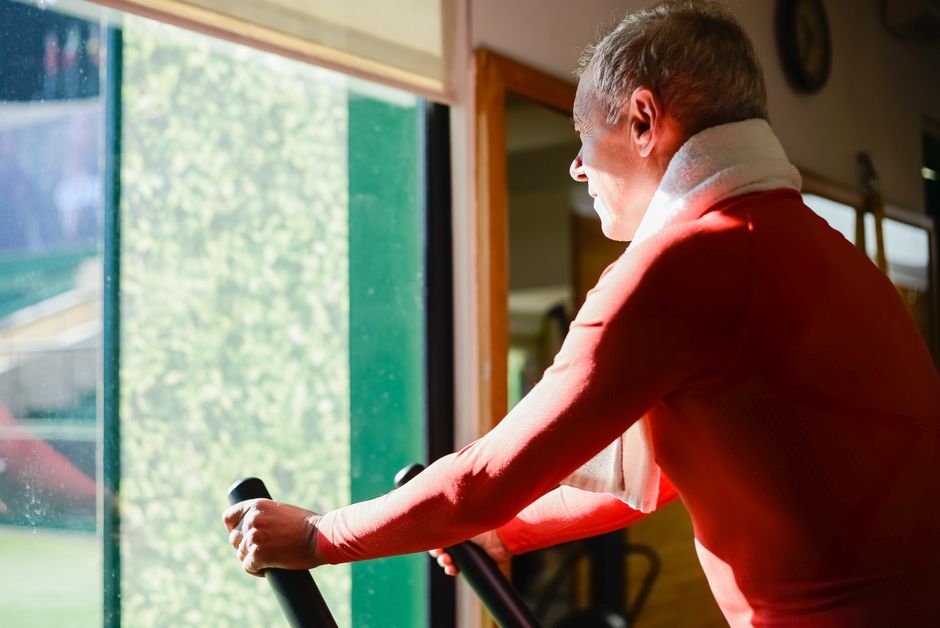
Coming to terms with aging is not about pretending you feel fine about it. It is about understanding what is actually happening in your body and brain, and adjusting your expectations to match the evidence rather than the marketing. The science is clear on several points: aging is a gradual, measurable biological process, it is not a disease, and how you think about it measurably affects how you function. What the research does not support is the idea that any single supplement, diet, or mindset trick reverses it.
What Actually Happens in the Body During Aging?
Aging is the slow accumulation of cellular and molecular changes that reduce the body’s ability to repair itself. These changes begin earlier than most people notice — often in the thirties — but they rarely produce obvious symptoms until decades later.
Several well-documented processes drive this. Cells divide fewer times over a lifetime because of structures called telomeres, which shorten with each division. Damaged proteins and cellular waste accumulate because clearance systems become less efficient. Mitochondria, the energy-producing parts of cells, function less effectively. Chronic low-grade inflammation tends to rise with age, sometimes called inflammaging.
None of these processes happen at the same rate in everyone. Two people born the same year can have very different biological ages, which is why chronological age is a rough proxy at best. This variability is real and measurable, but it also means that population-level statistics about “what happens at 60” tell you very little about your own body.
What is fairly consistent: muscle mass declines gradually from midlife onward if nothing is done to counter it. Bone density drops, more sharply in women after menopause. The lens of the eye stiffens, making close vision harder. Hearing for high frequencies tends to fade. Skin loses elasticity. These are near-universal patterns, not personal failures.
Why Does the Brain Change With Age?
The brain shrinks slightly with age, particularly in areas involved in memory and complex reasoning. Processing speed tends to slow. This is normal and distinct from dementia.
What surprises many people is that certain cognitive abilities improve or hold steady well into later life. Vocabulary, general knowledge, and the ability to recognize patterns often stay strong or even grow. What declines more reliably is the speed of retrieving information and holding multiple things in mind at once.
This distinction matters. Forgetting a name but recognizing it instantly when you hear it is a retrieval-speed issue, not a memory-storage problem. It is common and generally not a sign of disease. Forgetting that you met the person at all is a different category and worth discussing with a doctor.
Sleep architecture also changes. Deep sleep becomes lighter and shorter. This can affect memory consolidation and mood, and it is one of the reasons older adults often report feeling less rested even with the same hours in bed.
Does Your Attitude Toward Aging Actually Matter?
Yes, and the effect is measurable. Research on aging attitudes has found that people who hold more negative views about growing older tend to show worse outcomes on several measures, including cardiovascular health and even longevity. The direction of cause is debated — poor health may also shape attitudes — but the association is consistent across multiple studies.
The mechanism is partly behavioral. Someone who believes decline is inevitable is less likely to exercise, seek preventive care, or stay socially engaged. Someone who sees aging as a manageable process tends to do the things that slow functional decline. The belief shapes the behavior, and the behavior shapes the biology.
This is not positive thinking as a cure. It is the recognition that expectations influence choices, and choices influence outcomes. The effect is real but modest compared to factors like smoking, blood pressure, and physical activity.





What Does the Evidence Say About Slowing Aging?
No intervention has been shown to reverse human aging. That statement is worth sitting with, because a great deal of marketing implies otherwise.
What has solid evidence behind it for reducing age-related disease and preserving function:
- Regular physical activity, including both aerobic exercise and resistance training
- Not smoking
- Maintaining healthy blood pressure and blood sugar
- Adequate sleep
- Strong social connections
- A diet pattern rich in vegetables, fruits, whole grains, and legumes, such as the Mediterranean pattern
These are not glamorous, and none of them stop the clock. What they do is compress the period of disability at the end of life — more healthy years, fewer dependent ones. That is the realistic goal, and it is achievable.
What the evidence does not support: most over-the-counter “anti-aging” supplements. Some compounds show promise in animal or early human studies, but none have been shown in large human trials to extend lifespan or reverse aging. The gap between a promising mouse study and a proven human benefit is enormous.
How Do You Adjust to Changes You Cannot Reverse?
Acceptance in this context does not mean giving up. It means distinguishing between what can be improved and what must be accommodated.
Strength training can partially offset muscle loss at any age. That is well established. Balance exercises reduce fall risk. Hearing aids improve communication and are associated with better cognitive and social outcomes. Corrective lenses solve a problem that cannot be trained away. These are accommodations that work with biology rather than against it.
What tends to help psychologically, according to research on aging and adjustment:
- Shifting comparison from your younger self to your current capacities
- Maintaining purpose — work, volunteering, caregiving, creative projects
- Staying socially connected, which is one of the strongest predictors of late-life well-being
- Focusing on what remains under your control rather than what does not
Grief about lost youth is legitimate. It is also not permanent for most people. Studies on emotional regulation suggest that older adults often report higher emotional stability and life satisfaction than younger adults, despite physical decline. This is sometimes called the positivity effect, and it is one of the more reliable findings in the field.
What About the Fear of Decline and Death?
Fear of aging is common and usually peaks in midlife, when the gap between expectation and reality becomes visible. It tends to lessen in later life for many people, though not all.
If fear of aging is interfering with daily life, sleep, or mood, that is worth addressing with a mental health professional. Anxiety about aging is treatable, and treatment is not a sign of weakness. Cognitive behavioral approaches have good evidence for health-related anxiety generally.
For most people, the fear softens with exposure. Living through the changes you once dreaded and finding they are manageable reduces the dread itself. This is not reassurance — it is a pattern observed in longitudinal studies of aging populations.
What Is the Honest Bottom Line on Aging?
Aging is real, progressive, and not currently reversible. The rate varies widely between individuals, and several modifiable factors — exercise, sleep, blood pressure control, social connection, not smoking — measurably affect how many healthy years you get.
Attitude matters, but not as a substitute for action. Believing you can influence your trajectory is useful because it leads to behaviors that do influence it. Believing you can think your way out of biology is not supported.
The goal is not to stay young. It is to remain functional, connected, and engaged for as long as possible, and to adjust honestly when something cannot be changed. That is what the science supports, and it is achievable for most people.
Frequently Asked Questions
Can you actually slow down aging?
You cannot stop biological aging, but you can slow the rate at which it produces disability and disease. Regular exercise, not smoking, healthy blood pressure, and strong social ties are the factors with the most consistent evidence.
Is forgetting things a normal part of aging?
Slower recall is normal; forgetting entire events or people is not. Retrieval speed declines with age, but memory storage itself is usually preserved in healthy aging.
Do anti-aging supplements work?
No supplement has been shown in large human trials to reverse or meaningfully slow aging. Some compounds show promise in animal studies, but that is not the same as proven human benefit.
Why do some people seem to age better than others?
Genetics, lifestyle, environment, and access to healthcare all contribute, and their relative weight varies by person. There is no single factor that explains the difference.
