
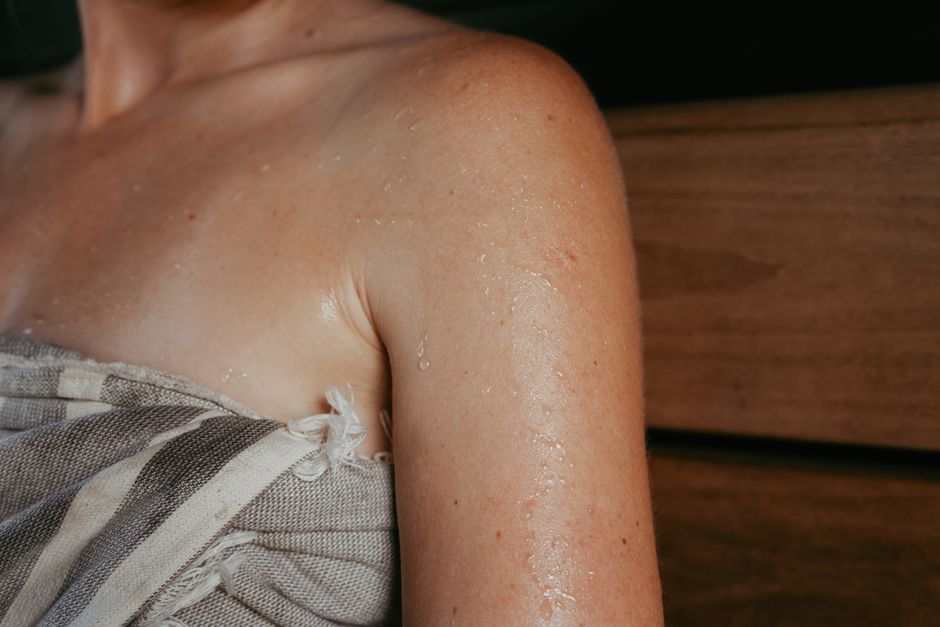
Waking up drenched in sweat is not just uncomfortable — it disrupts your sleep and can leave you feeling exhausted the next day. Night sweats are episodes of excessive sweating during sleep that soak through your clothes and sheets, even when your bedroom is cool. The most effective way to combat them is to identify the underlying cause, which ranges from simple environmental factors like heavy bedding to medical conditions such as hormonal changes or infections. Treatment depends entirely on the root cause, and for many people, adjusting sleep environment and lifestyle habits resolves the issue without medical intervention.
What Causes Night Sweats?
Night sweats are not a disease. They are a symptom. The body’s temperature regulation system is complex, and many different triggers can cause it to misfire during sleep.
Hormonal fluctuations are among the most common causes. Menopause is the classic trigger, with hot flashes and night sweats affecting a large percentage of women during the transition. But hormonal shifts are not limited to menopause. Pregnancy, thyroid disorders, and andropause in men can also cause similar symptoms.
Infections are another significant cause. Tuberculosis has historically been associated with night sweats, but more common infections — including viral illnesses and bacterial infections — can also cause them. The body raises its core temperature to fight off pathogens, and this can lead to sweating as the fever breaks during sleep.
Certain medications list night sweats as a side effect. Antidepressants, particularly SSRIs, are well-documented culprits. Hormone therapy, diabetes medications, and some pain relievers can also trigger them.
Metabolic conditions like diabetes and hyperthyroidism affect how the body regulates temperature. When blood sugar drops overnight or thyroid hormone levels are elevated, the body’s thermostat can malfunction.
Cancers, particularly lymphoma, can present with night sweats as one of their hallmark symptoms. This is rare, but it is a reason why persistent night sweats should never be dismissed without evaluation.
How To Combat Night Sweats: Causes And Solutions
Combating night sweats starts with a clear understanding of what is driving them. The solution is not one-size-fits-all — it depends on whether your night sweats stem from your environment, your hormones, a medication, or an underlying illness.
For environmental causes, the fix is straightforward. Lower your bedroom temperature to around 65°F (18°C). Use moisture-wicking bedding made from breathable fabrics like cotton or bamboo. Dress in light, loose-fitting pajamas. A cool shower before bed can help lower your core body temperature.
For hormonal causes, solutions vary. Women going through menopause may find relief with lifestyle adjustments first. If symptoms are severe, hormone replacement therapy is an option, but it carries risks and requires a conversation with your doctor. Some clinicians recommend plant-based remedies like black cohosh, but the evidence supporting them is limited.
For medication-induced night sweats, talk to your prescribing doctor. Do not stop taking a prescribed medication on your own. Your doctor may adjust the dose, switch you to a different medication, or suggest taking the medication at a different time of day.
For infection-related night sweats, treating the underlying infection resolves the symptom. If you have had night sweats for more than a few weeks, or if they come with fever, weight loss, or fatigue, medical evaluation is essential.
Lifestyle changes help across the board. Regular exercise improves circulation and temperature regulation. Limiting alcohol and caffeine, especially in the evening, reduces their known effects on body temperature. Managing stress through relaxation techniques can help because anxiety activates the same nervous system pathways that control sweating.
When Should You See a Doctor?
Occasional night sweats from a warm room or a heavy blanket are normal. Persistent night sweats are not.
See a doctor if your night sweats occur regularly, wake you up frequently, or have lasted for several weeks. Seek prompt medical attention if night sweats are accompanied by unexplained weight loss, persistent fever, or localized pain.
Your doctor will likely start with a medical history and physical exam. Blood tests may check for thyroid function, blood sugar levels, or signs of infection. Depending on your symptoms and risk factors, further testing may be needed.
Do not assume night sweats are just part of getting older. While hormonal changes are common, they are not the only explanation. A proper evaluation rules out serious conditions and gives you a clear path forward.





Can Diet and Hydration Affect Night Sweats?
What you eat and drink can influence how much you sweat at night. Spicy foods raise core body temperature and can trigger sweating episodes. Caffeine and alcohol both affect the nervous system and blood vessel dilation, which can contribute to nighttime overheating.
Alcohol is a particularly common trigger. It causes blood vessels to dilate, increases heart rate, and disrupts the body’s natural temperature regulation. Many people who drink alcohol in the evening find they wake up sweaty as the alcohol metabolizes.
Staying hydrated during the day helps your body regulate temperature more effectively. But drinking large amounts of water right before bed can cause nighttime bathroom trips, which disrupt sleep. Aim for consistent hydration throughout the day and taper off in the evening.
Some research suggests that certain foods may help with temperature regulation. Soy products contain plant estrogens that might benefit some women with menopausal symptoms, though study results are mixed. There is no strong evidence that any specific food prevents night sweats.
What About Sleep Hygiene and Stress?
Sleep quality and night sweats have a two-way relationship. Night sweats disrupt sleep, and poor sleep can make temperature regulation worse.
Stress activates the sympathetic nervous system — the fight-or-flight response. This raises heart rate and body temperature. If you are chronically stressed, your body may stay in a low-level state of arousal that makes night sweats more likely.
Relaxation techniques before bed can help. Deep breathing, progressive muscle relaxation, and mindfulness meditation all activate the parasympathetic nervous system, which promotes cooling and calm. Even ten minutes of quiet breathing before sleep can make a measurable difference.
Consistent sleep schedules help your body’s internal thermostat stay stable. Going to bed and waking at the same time every day — even on weekends — supports the circadian rhythms that control body temperature throughout the night.
What Medical Treatments Are Available?
When lifestyle changes are not enough, medical treatment may be necessary. The right treatment depends entirely on the cause.
For menopausal women with severe night sweats, hormone replacement therapy (HRT) is the most effective option. It replaces declining estrogen levels and typically resolves hot flashes and night sweats quickly. However, HRT carries increased risks of blood clots, breast cancer, and cardiovascular events in some women. The decision requires individualized risk assessment with a healthcare provider.
Non-hormonal prescription options exist for women who cannot or choose not to use HRT. Certain antidepressants, including paroxetine, are approved for moderate-to-severe vasomotor symptoms. Gabapentin and clonidine are also used off-label for this purpose.
For night sweats caused by hyperthyroidism, treatment targets the thyroid itself. Antithyroid medications, radioactive iodine, or surgery may be recommended depending on the case.
For medication-induced night sweats, switching medications is often the simplest solution. Your doctor can help determine whether the benefit of the current medication outweighs the sleep disruption it causes.
Common Myths About Night Sweats
Several misconceptions about night sweats persist, and believing them can delay proper treatment.
Myth one: Night sweats only affect women. Men experience night sweats too, from causes including low testosterone, infections, and certain medications. The condition is less commonly discussed in men, but it is not rare.
Myth two: Night sweats always mean cancer. Cancer is a possible cause, but it is far from the most common one. Hormonal changes, infections, and medications are much more frequent explanations. Still, the possibility is real enough that persistent symptoms deserve medical evaluation.
Myth three: Heavy blankets are always the culprit. While excessive warmth can cause sweating, night sweats that occur with normal bedding point to an internal cause. If you are sweating through sheets in a cool room, your body is likely responding to something other than external heat.
Frequently Asked Questions
What is the fastest way to stop night sweats?
Cooling your sleep environment is the fastest immediate fix — lower the room temperature, use breathable bedding, and wear light clothing. For long-term relief, you must address the underlying cause with your doctor.
Can anxiety cause night sweats?
Yes, anxiety activates the sympathetic nervous system, which can raise body temperature and trigger sweating during sleep. Managing stress through relaxation techniques and therapy can reduce anxiety-related night sweats.
Are night sweats a sign of diabetes?
Night sweats can occur with diabetes, particularly when blood sugar drops too low overnight. If you have diabetes and experience night sweats, check your blood sugar levels and discuss the pattern with your doctor.
Do night sweats go away on their own?
Night sweats from temporary causes like a short-term infection or a warm room will resolve on their own. Night sweats from hormonal changes or chronic conditions typically persist until the underlying cause is treated.
