
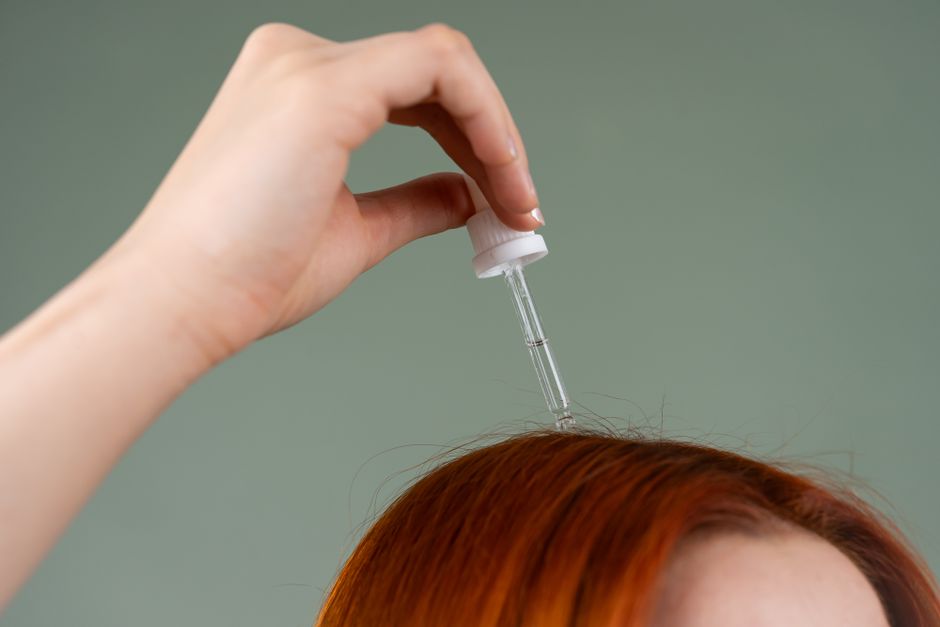
Stress can take a visible toll on your body, and for many people, that toll shows up in the shower drain. Hair loss from stress is real, and it is usually temporary. The good news is that your hair can grow back once you address the underlying stress and give your body the right conditions. Here is the direct answer: to combat hair loss from stress, you need to lower your stress levels, support your body with proper nutrition, and be patient while your hair cycle recovers. Most stress-related hair shedding resolves on its own within six to nine months.
Why Does Stress Cause Hair to Fall Out?
Stress disrupts the normal hair growth cycle. Your hair follicles go through phases: growing, resting, and shedding. Under normal conditions, about 85 to 90 percent of your hair is in the growing phase at any given time. The rest is resting or shedding.
Severe stress can push a large number of follicles into the resting phase at once. About two to three months later, those hairs fall out when you brush or wash your hair. This condition is called telogen effluvium. It is the most common type of stress-related hair loss.
Another form, called alopecia areata, happens when stress triggers the immune system to attack hair follicles. This causes patchy hair loss. A third type, trichotillomania, is a psychological condition where people pull their own hair out to cope with stress.
Understanding which type you have matters. Telogen effluvium causes diffuse thinning across the whole scalp. Alopecia areata causes round, smooth patches. If you see bald patches, that is not typical telogen effluvium, and you should see a doctor.
What Are the First Steps to Stop Stress-Related Hair Shedding?
The first step is to identify and reduce the source of stress. This sounds simple, but it is the foundation of everything else. Hair loss itself can become a second source of stress, creating a loop that is hard to break.
Start by looking at your sleep. Poor sleep raises cortisol, the primary stress hormone. Aim for seven to nine hours of quality sleep per night. If stress keeps you awake, address that before spending money on hair products.
Next, look at your diet. Severe stress often changes eating habits. Some people skip meals; others reach for processed foods. Both deprive your hair follicles of the nutrients they need to produce healthy hair.
Consider gentle exercise. Moderate activity reduces cortisol and improves mood. But be careful not to overdo it. Extreme exercise is itself a physical stressor and can worsen shedding in some people.
Which Nutrients Actually Support Hair Regrowth After Stress?
Hair is one of the fastest-growing tissues in the body. It requires a steady supply of nutrients. When you are stressed, your body prioritizes essential organs over hair. Correcting deficiencies can help your hair recover.
Iron deficiency is a common cause of hair loss in women. Low ferritin levels are linked to shedding. If you have heavy periods or eat little red meat, ask your doctor to check your iron levels. Do not supplement iron without a blood test, because excess iron is harmful.
Vitamin D plays a role in the hair growth cycle. Low levels are associated with several types of hair loss. Many people are deficient, especially in winter months. A simple blood test can tell you where you stand.
Biotin is heavily marketed for hair growth, but the evidence is weak. Biotin deficiency is rare, and most people who supplement it see no benefit. Do not waste money on high-dose biotin unless a doctor confirms a deficiency.
Protein matters more than most people realize. Hair is made of keratin, a protein. If you do not eat enough protein, your body will stop investing in hair growth. Most adults need roughly 0.36 grams of protein per pound of body weight daily. A 150-pound person needs about 54 grams per day.
Zinc supports hair tissue growth and repair. Deficiency is uncommon but possible, especially in vegetarians or people with digestive disorders.
What Stress Management Techniques Have the Strongest Evidence?
Not all stress management techniques are equal. Some have stronger scientific backing than others for reducing cortisol and improving well-being.
Cognitive behavioral therapy has strong evidence for reducing stress and anxiety. It helps you identify and change thought patterns that fuel stress. If stress is chronic, this is worth exploring with a licensed therapist.
Mindfulness meditation has solid research behind it. Studies show it reduces cortisol levels and improves mood. Even ten minutes a day can make a measurable difference. Apps can help you start, but the practice itself is what matters.
Regular moderate exercise is well established as a stress reducer. Walking, swimming, or cycling for 30 minutes most days lowers anxiety. Exercise also improves sleep, which further reduces stress.
Breathing exercises work quickly but briefly. Slow, deep breathing activates the parasympathetic nervous system, which counteracts the stress response. This is useful in acute moments of stress but is not a long-term solution on its own.
There is no strong evidence that any specific supplement reduces stress-related hair loss. Adaptogens like ashwagandha and rhodiola are popular, but large human trials are lacking. Some small studies suggest benefits, but the evidence is not strong enough to recommend them as treatment.
How Long Does It Take for Hair to Grow Back After Stress?
Hair regrowth takes time. This is the part most people struggle with. Your hair does not respond to stress reduction overnight.
After you reduce the stressor, the resting follicles need time to re-enter the growth phase. Visible improvement typically takes three to six months. Full recovery can take up to a year. If shedding continues beyond six months after your stress resolves, see a doctor.
During regrowth, you may notice short, fine hairs at your hairline. This is a positive sign. It means your follicles are active again.
Be aware that regrown hair may have a different texture temporarily. Some people notice more curl or coarseness. This usually normalizes over time.
When Should You See a Doctor About Stress Hair Loss?
See a doctor if your hair loss is sudden, patchy, or accompanied by scalp pain or itching. Also seek medical advice if shedding continues for more than six months after your stress has resolved.
A doctor can run blood tests to rule out other causes. Thyroid disorders, hormonal changes, and nutrient deficiencies can all cause hair loss that looks similar to stress-related shedding. These conditions need different treatment.
If you notice round bald patches, see a dermatologist. Alopecia areata may require prescription treatment. It does not always resolve on its own.
Women should be aware that postpartum hair loss and menopausal hair changes can overlap with stress-related shedding. These hormonal shifts have their own timelines and treatments. A doctor can help distinguish between them.
Which Hair Care Habits Help or Hurt During Recovery?
Your hair care routine matters while your hair is fragile. Shedding hair is often weaker and more prone to breakage.
Be gentle when washing and brushing. Use a wide-tooth comb rather than a brush on wet hair. Avoid tight hairstyles like ponytails, buns, or braids that pull on the follicle. This traction can worsen shedding and even cause permanent damage over time.
Heat styling tools damage the hair shaft. During a shedding phase, minimize blow drying, curling irons, and straighteners. If you must use them, apply a heat protectant first.
Chemical treatments like coloring, perming, and relaxing weaken hair. Consider postponing these until your shedding slows. Your hair will be less fragile once the stress phase passes.
Do not fall for expensive shampoos that promise to stop shedding. No shampoo can change your hair growth cycle. A gentle, sulfate-free shampoo is enough while your hair recovers.
Are There Medical Treatments for Stress-Related Hair Loss?
For telogen effluvium, the main treatment is resolving the underlying stress. Once the trigger is removed, hair typically regrows without medical intervention.
Some dermatologists recommend minoxidil to accelerate regrowth. Minoxidil is available over the counter as a foam or liquid. It is approved for androgenetic alopecia, not specifically for stress-related shedding. Some clinicians prescribe it off-label to speed recovery. Evidence for this use is limited, and you need to keep using it to maintain any benefit.
Do not start minoxidil without discussing it with a doctor first. It can cause an initial increase in shedding during the first few weeks. This is normal but alarming if you are not prepared for it.
There is no clinical evidence that any supplement, laser device, or scalp massage reverses stress-related hair loss. These products are marketed heavily, but they have not been proven in rigorous trials for this specific condition.
Frequently Asked Questions
Can stress cause permanent hair loss?
In most cases, no. Telogen effluvium from stress is temporary and hair grows back within months. However, chronic untreated stress can contribute to other conditions that may lead to lasting thinning, so addressing stress early matters.
How much hair loss per day is normal?
Shedding 50 to 100 hairs per day is normal. If you notice clumps of hair in the drain or on your pillow, or your part is visibly wider, that exceeds normal shedding and warrants attention.
Does biotin help with stress-related hair loss?
Biotin only helps if you have a true biotin deficiency, which is rare. Most people who take biotin for stress-related shedding see no benefit because the problem is not a biotin shortage.
Will my hair grow back if I reduce stress?
Yes, in most cases of telogen effluvium, hair regrows once the stressor is resolved. Expect visible improvement in three to six months and full recovery within a year.
