
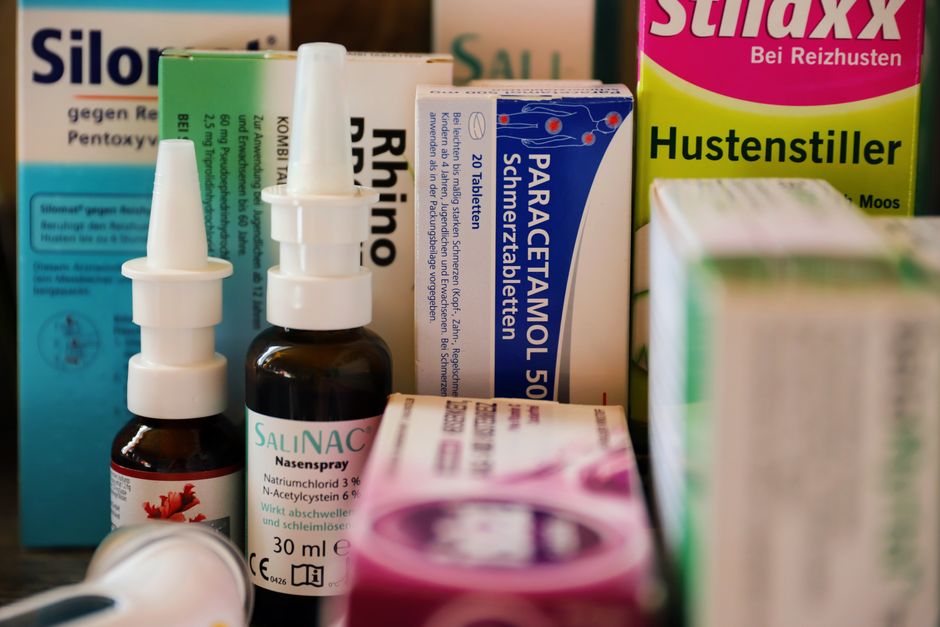
Sinus congestion happens when the linings of your nasal passages swell and trap mucus. That pressure behind your cheeks, eyes, and forehead is the result. The fastest relief usually comes from combining a few simple steps at home: saline rinses to flush out mucus, steam or a warm compress to thin it, plenty of fluids, and short-term use of decongestants when you need them. Most cases ease within a week to ten days without antibiotics.
What Actually Causes Sinus Congestion?
Your sinuses are hollow, air-filled spaces lined with a thin layer of tissue that makes mucus. That mucus normally drains through small openings into your nose. When those openings narrow, mucus backs up and pressure builds.
The most common trigger is a viral infection — the same viruses behind the common cold. The swelling is your immune system responding, not a bacterial invasion. That distinction matters because it explains why antibiotics usually do not help.
Other common causes include:
- Allergies, which trigger ongoing inflammation in the nasal lining
- Dry air, which thickens mucus and slows its movement
- Cold temperatures, which can irritate sensitive nasal tissue
- Structural issues like a deviated septum or nasal polyps
- Smoke, pollution, and strong chemical odors
One thing many people get wrong: the color of your mucus does not tell you whether you have a bacterial infection. Yellow or green mucus is common in ordinary viral colds. It reflects immune cells doing their job, not a specific type of infection.
How To Clear Up Sinus Congestion Remedies And Relief
The most reliable home remedy is a saline nasal rinse. It physically flushes out mucus, allergens, and irritants from your nasal passages. You can use a squeeze bottle, a neti pot, or a saline spray from any pharmacy.
Safety matters here. Use distilled, sterile, or previously boiled and cooled water — never straight tap water. Tap water can contain organisms that are safe to drink but dangerous in the nasal passages. This is one of the few home remedies where the method genuinely affects safety, not just comfort.
Steam is another practical option. A warm shower, a bowl of hot water with a towel over your head, or a humidifier in the room can loosen thick mucus. The evidence for steam is not strong in clinical trials, but many people report real relief, and the risk is low when done sensibly.
A warm compress over your forehead or cheeks can ease the pressure feeling. It does not clear the blockage itself, but it can make the discomfort more manageable while your body works through the underlying cause.
Drinking fluids helps keep mucus thinner. There is no specific amount that has been proven to speed recovery, but staying hydrated is reasonable and low-risk.
Sleeping with your head slightly elevated can help mucus drain instead of pooling. An extra pillow often does the trick.
Do Over-The-Counter Medications Help?
Some do, with limits. Decongestant sprays like oxymetazoline shrink swollen nasal tissue quickly. The catch is rebound congestion: if you use them for more than three days in a row, your nose can become more stuffed when you stop. That cycle is real and can be hard to break. Follow the label and keep it short.
Oral decongestants like pseudoephedrine also reduce swelling. They can raise blood pressure and cause jitteriness or trouble sleeping. If you have high blood pressure, heart disease, or take certain medications, talk to a pharmacist or doctor before using them.
Antihistamines help mainly when allergies are driving the congestion. For a plain viral cold, they generally do not do much.
Pain relievers like acetaminophen or ibuprofen can reduce the aching and pressure discomfort. They do not clear the congestion, but they can make the days more bearable.
Nasal steroid sprays reduce inflammation over time. They work best for chronic or allergic congestion and take days to show full effect, not hours.





When Should You See A Doctor?
Most sinus congestion from a cold improves on its own. See a doctor if symptoms last more than ten days without improving, if they improve and then get worse again, or if you develop a fever above 102°F, severe facial pain, or swelling around your eyes.
These signs can point to a bacterial sinus infection or a complication that needs medical attention. They are not common, but they are worth knowing.
You should also seek care if you have vision changes, confusion, a stiff neck, or trouble breathing. Those are emergency warning signs, not wait-and-see symptoms.
People with asthma, weakened immune systems, or a history of frequent sinus infections may need to see a doctor sooner.
What Does Not Work (Or Works Less Than You Think)
Antibiotics are often requested for sinus congestion, but they do not help viral infections, which cause most cases. Overuse also carries real downsides, including side effects and antibiotic resistance.
Some popular products make claims that are not backed by strong evidence. Nasal sprays containing zinc, for example, have been linked to loss of smell in some reports. That is a serious risk for a remedy with unclear benefit.
Essential oil diffusers and menthol rubs can feel soothing because they trigger cooling sensations in the nose. That feeling is not the same as actually reducing swelling or clearing blockage. They may improve comfort, but they are not treating the cause.
There is no strong evidence that vitamin C, echinacea, or most other supplements shorten sinus congestion. Some people find them helpful, but clinical trials have not consistently shown a benefit.
Can You Prevent Sinus Congestion?
You cannot prevent every cold, but you can lower your odds of congestion becoming a bigger problem.
- Use a humidifier in dry rooms and clean it regularly to prevent mold
- Avoid cigarette smoke and other irritants
- Treat allergies with the plan your doctor recommends
- Wash your hands often during cold and flu season
- Stay hydrated, especially in winter
If you get sinus congestion often, it may be worth talking to a doctor about underlying causes like allergies, polyps, or structural issues. Recurring congestion is a signal, not just an annoyance.
How Long Does Sinus Congestion Usually Last?
Viral sinus congestion typically peaks in three to five days and improves within a week to ten days. A cough can linger longer, sometimes for weeks, as your airways recover.
If symptoms are not improving after ten days, or if they improve and then worsen, that pattern can suggest a bacterial infection. That is when a doctor visit makes sense.
Chronic sinusitis — congestion lasting twelve weeks or more — is a different condition. It often involves ongoing inflammation, allergies, or structural problems, and it usually needs a medical plan rather than home remedies alone.
Frequently Asked Questions
How do you get rid of sinus congestion fast?
A saline nasal rinse plus a short course of decongestant spray can ease symptoms within hours. Keep spray use to three days or less to avoid rebound congestion.
Does drinking hot water clear sinus congestion?
Warm fluids can soothe your throat and may help thin mucus, but there is no strong evidence they clear blockage directly. Staying hydrated is still worth doing.
Is sinus congestion contagious?
The viral infection causing it can spread to others, but the congestion itself is not contagious. Hand washing and covering coughs reduce spread.
When should I worry about sinus congestion?
See a doctor if symptoms last more than ten days, worsen after improving, or come with a high fever or eye swelling. Those signs may point to a bacterial infection or complication.
