
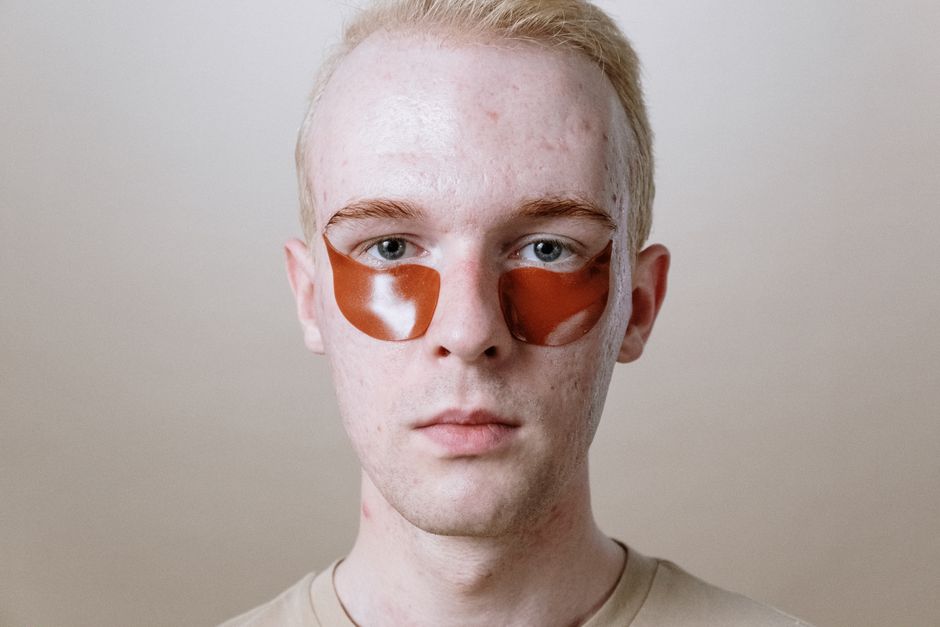
Chin acne is stubborn for a specific reason: the skin there is thicker, has more oil glands, and sits in a zone that responds strongly to hormonal shifts. Clearing it fast means treating it with ingredients proven to kill acne bacteria, unclog pores, and calm inflammation — not just covering it up. Benzoyl peroxide and salicylic acid are the two most reliable over-the-counter options, and a dermatologist can add prescription treatments when those are not enough.
Why Does Chin Acne Keep Coming Back?
Acne on the chin is not random. It tends to follow a pattern tied to hormones, and that is why it often returns in the same spot.
The chin and jawline are part of what dermatologists call the U-zone, distinct from the T-zone of the forehead and nose. Oil glands in the lower face are more sensitive to androgens — hormones like testosterone that both men and women produce. When androgen levels shift, those glands produce more sebum, the oily substance that lubricates skin.
Extra sebum mixes with dead skin cells inside the pore. This plug traps Cutibacterium acnes, a bacterium that normally lives on skin without causing problems. In a blocked pore, it multiplies and triggers inflammation. That is the red, tender bump you see.
Hormonal shifts that commonly drive chin breakouts include:
- The week before a menstrual period, when estrogen drops and androgens have relatively more influence
- Polycystic ovary syndrome (PCOS), a condition where androgens are often elevated
- Starting, stopping, or changing hormonal birth control
- Puberty and the years surrounding menopause, both periods of hormonal flux
- High stress, which raises cortisol and can worsen oil production
One detail worth knowing: chin acne that flares reliably before each period is a recognized pattern, but it does not automatically mean your hormones are abnormal. Many people with regular cycles and normal hormone levels still get cyclical chin breakouts. The pattern is common, not a diagnosis.
What Actually Clears Chin Acne Fast?
Two over-the-counter ingredients have the strongest evidence for clearing mild to moderate acne, and both work on the chin.
Benzoyl peroxide kills C. acnes bacteria directly and helps reduce inflammation. It is one of the most studied acne ingredients available without a prescription. It does not cause bacterial resistance, which is why many dermatologists favor it. The trade-off is that it can dry and irritate skin, and it bleaches fabric — pillowcases, collars, towels.
Salicylic acid works differently. It is a beta-hydroxy acid that penetrates the pore and helps break down the plug of oil and dead cells. It is gentler than benzoyl peroxide for many people and is especially useful for blackheads and clogged pores. It tends to be slower to reduce inflammation than benzoyl peroxide.
Adapalene, a retinoid available over the counter in the US, is another option. It helps prevent new clogged pores by speeding up how fast skin cells turn over. It is effective but takes longer to show results and often causes a temporary period of dryness and flaking when you start.
Here is the honest part about speed: no acne treatment clears skin overnight. Benzoyl peroxide can start reducing inflammation within days, but visible improvement in the number of pimples typically takes several weeks of consistent use. Anyone promising a fast fix in 24 hours is selling something.
How Should You Build a Chin Acne Routine?
More products do not mean faster results. A short, consistent routine outperforms a complicated one.
A basic approach many dermatologists suggest:
- Morning: a gentle, non-foaming cleanser, then a light moisturizer. If you use benzoyl peroxide, apply a thin layer to the chin.
- Evening: cleanse, then apply your active ingredient — benzoyl peroxide, salicylic acid, or adapalene. Follow with moisturizer.
- Sunscreen daily: many acne treatments make skin more sensitive to the sun, and sun damage can darken the marks left behind by healed pimples.
Introduce one new active at a time. If you start benzoyl peroxide and adapalene on the same day and your skin reacts, you will not know which one caused it. Give each product several weeks before judging it.
Do not scrub. Physical exfoliants and harsh scrubs can irritate inflamed skin and make redness worse. They do not clear pores more effectively than the ingredients above.
Moisturizer matters more than people expect. Dry, irritated skin can produce more oil and heal more slowly. A non-comedogenic moisturizer — one formulated not to clog pores — supports the treatment rather than fighting it.





When Do You Need a Dermatologist for Chin Acne?
Over-the-counter products handle mild acne well. They are not enough for everyone, and knowing when to escalate saves time and scarring.
See a dermatologist or doctor if:
- You have deep, painful nodules or cysts rather than surface pimples
- You have tried consistent over-the-counter treatment for about two to three months with little change
- Acne is leaving scars or dark marks that persist
- You have signs of a hormonal condition, such as irregular periods, excess facial hair, or sudden severe breakouts
- Acne is affecting your mental health or daily life
Prescription options include topical retinoids like tretinoin, topical antibiotics, and oral medications. For hormonal chin acne in women, certain combined oral contraceptives and a medication called spironolactone are sometimes prescribed. These require a prescription and medical supervision — they are not self-treatment options.
Isotretinoin is a powerful oral retinoid used for severe or treatment-resistant acne. It is highly effective but carries significant risks, including serious birth defects, and requires strict monitoring under a dermatologist’s care. It is not a first-line choice for mild chin breakouts.
One clarification that matters: a single pimple that appears fast is not the same as acne. A lone inflamed bump may be a blocked follicle or an ingrown hair, especially along the jaw where hair grows. Persistent, recurring breakouts in a pattern are what point to acne.
Do Diet, Stress, and Habits Affect Chin Acne?
Lifestyle plays a smaller role than hormones and genetics, but it is not zero. The evidence here is more mixed than marketing suggests.
Some research links high-glycemic diets — those heavy in refined sugars and white carbohydrates — to more acne. The connection is plausible because these foods raise blood sugar and insulin, which can increase oil production. The evidence is not strong enough to say diet causes acne, but some studies suggest it can influence it.
Dairy has been studied as a possible trigger, with some research pointing to skim milk in particular. Results vary, and no single food has been proven to cause acne in everyone. If you suspect a food trigger, a careful trial — removing one item for several weeks and watching — is more useful than cutting out entire food groups.
Stress does not directly create acne, but it can worsen it through hormonal pathways. Poor sleep and high stress often go together with skipped routines, which is part of why breakouts seem to cluster during hard weeks.
Habits that genuinely help:
- Keep your phone screen clean — it touches your chin and jaw repeatedly
- Avoid resting your chin on your hands
- Change pillowcases regularly
- Wash your face after heavy sweating
- Use hair products that do not run onto your chin and jaw
Do not pick or squeeze. It pushes bacteria and inflammation deeper and is one of the main causes of acne scarring. This is the single habit most worth breaking.
How Long Until Chin Acne Actually Clears?
Realistic timelines matter, because quitting too early is one of the most common reasons treatment fails.
Benzoyl peroxide can reduce inflammation in individual pimples within a few days. Salicylic acid and adapalene typically take longer — often several weeks — to show clear improvement in the number of breakouts. Full clearing of a stubborn pattern commonly takes two to three months of consistent use. Skin cells turn over on a cycle of roughly a month, and treatments that change that cycle need time to show results.
Consistency matters more than intensity. Using a product every day for two months beats using a strong product twice and giving up because it irritated your skin.
Many people also notice that marks left behind by healed pimples — called post-inflammatory hyperpigmentation — fade more slowly than the pimples themselves. These marks are not active acne, and treating them is different from treating breakouts.
Frequently Asked Questions
How do I get rid of chin acne fast?
Apply benzoyl peroxide to the chin once or twice daily and use a gentle cleanser and non-comedogenic moisturizer. It can calm individual pimples within days, but clearing a pattern usually takes weeks to months.
Why do I only get acne on my chin?
Oil glands on the chin and jawline are more sensitive to hormones, so they respond strongly to cyclical and other hormonal shifts. This is why chin breakouts often flare before a period or during hormonal changes.
Does toothpaste or lemon juice clear chin acne?
No. Neither is an acne treatment, and both can irritate or burn skin. Use proven ingredients like benzoyl peroxide or salicylic acid instead.
When should I see a doctor for chin acne?
See a doctor if you have deep painful cysts, scarring, signs of a hormonal condition, or no improvement after about two to three months of consistent over-the-counter treatment.
