
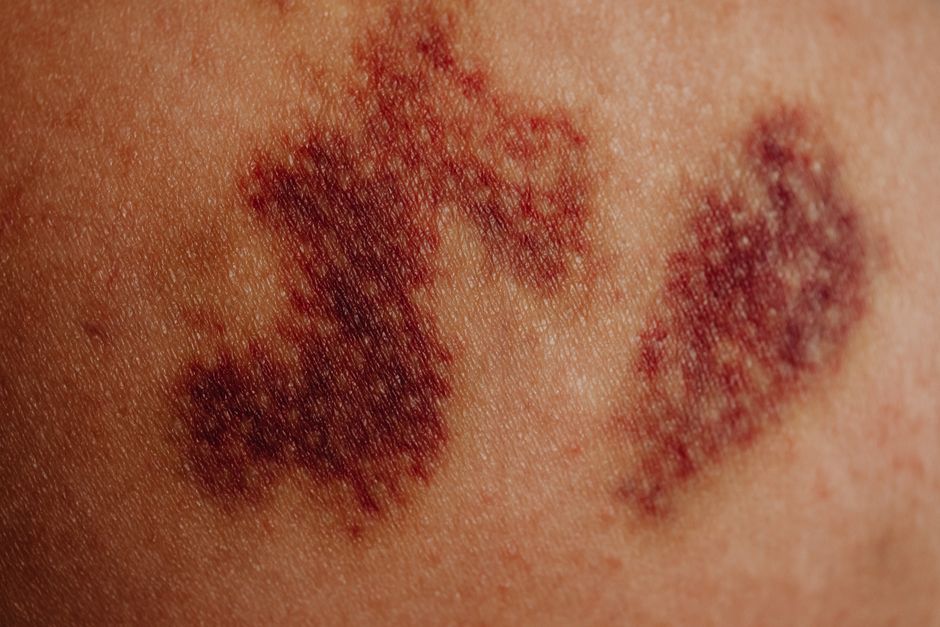
A bruise shows up because blood from broken capillaries leaks into your surrounding tissue. The body then has to clean up that blood, which takes time. You cannot make a bruise vanish instantly, but you can speed up how fast your body clears it. Ice helps in the first 48 hours by reducing blood flow to the area. Heat helps after that by increasing circulation to carry away the trapped blood. Elevation and gentle movement also matter. The key is knowing which tool to use and when.
What Actually Happens When You Get a Bruise?
A bruise is a collection of blood under the skin. Small blood vessels called capillaries burst from impact. Blood leaks out and pools in the tissue. Your body sends immune cells to clean up the mess. That cleanup process takes days or weeks depending on how much blood leaked and where.
The color changes tell you what stage the bruise is in. A fresh bruise looks red or purple because the blood is still oxygenated. As the body breaks down hemoglobin the color shifts to blue, then green, then yellow-brown. That yellow color means the bruise is almost gone. The entire process is your body digesting its own blood.
Some people bruise much easier than others. Older adults have thinner skin and weaker blood vessel walls. People on blood thinners like aspirin or warfarin bruise from very light bumps. Women tend to bruise more easily than men. None of this means you have a health problem unless bruises show up without any known cause.
Does Ice Really Help Bruises?
Yes, but only in the first 48 hours. Ice constricts blood vessels, which limits how much blood leaks out in the first place. Less blood under the skin means a smaller bruise. The faster you apply ice after the injury the better the result.
Do not put ice directly on skin. Wrap it in a thin cloth or use a cold pack with a cover. Apply for 15 to 20 minutes at a time. Remove it for at least 20 minutes before reapplying. Longer than 20 minutes of continuous ice can damage skin or nerves. The goal is cooling, not freezing.
Research published in the American Journal of Sports Medicine found that ice reduces swelling and pain in soft tissue injuries. The same mechanism works for bruises. Ice will not make a bruise that has already formed disappear faster. It only limits the size of the bruise while the bleeding is still happening. Once the blood has pooled, ice is no longer useful.
When Should You Switch to Heat for Bruises?
Switch to heat after the first 48 hours. By then the bleeding has stopped. Heat increases blood flow to the area. More blood flow means more immune cells arrive to break down the trapped blood. The bruise clears faster because the body is working more efficiently.
Heat also relaxes surrounding muscle tissue. If the bruise is on a muscle, heat reduces stiffness and soreness. A warm compress, heating pad on low, or warm bath all work. Apply heat for 15 to 20 minutes several times a day. Do not use heat on a fresh injury. It will increase bleeding and make the bruise larger.
The switch from ice to heat is the single most common mistake people make. Many people ice for a day then stop. Or they use heat immediately because it feels better. Getting the timing wrong is worse than doing nothing at all. Ice too long slows the cleanup. Heat too early makes the mess bigger.





How To Clear Up Bruises Fast Ice Heat And More: The Full Timeline
The fastest way to clear a bruise is to follow a precise schedule. Here is what the evidence supports for each phase of healing.
| Time After Injury | What to Do | Why It Works |
|---|---|---|
| 0 to 48 hours | Ice for 15-20 minutes every 2-3 hours. Elevate the area above heart level if possible. | Ice constricts blood vessels and limits blood leakage. Elevation uses gravity to reduce blood pooling. |
| 48 to 72 hours | Switch to heat. Apply warm compress for 15-20 minutes 3-4 times daily. Gentle massage around the bruise. | Heat increases blood flow. Massage helps break up clotted blood and moves fluid away. |
| 72 hours onward | Continue heat. Add gentle stretching and movement. Consider topical arnica or vitamin K cream. | Movement keeps circulation strong. Some topical treatments may slightly speed color fading. |
Elevation is more important than most people realize. If you bruise your leg, prop it up on pillows while icing. This works with gravity to drain fluid away from the injury. The combination of ice plus elevation in the first two days gives the best results. Heat plus gentle movement gives the best results after that.
Do Bruise Creams and Home Remedies Actually Work?
Several creams and supplements are widely promoted for bruises. The evidence on most of them is mixed or weak. Here is what the research actually says.
Arnica is the most popular bruise cream. Some studies suggest arnica gel reduces bruise size and pain when applied within the first 24 hours. A 2016 review in Dermatologic Surgery found that arnica cream helped with bruising after cosmetic procedures. The effect is modest. It will not make a bruise disappear overnight. It may shave a day or two off the healing time.
Vitamin K cream has stronger evidence. A study in the Journal of Drugs in Dermatology found that vitamin K cream reduced bruise severity after laser treatments. Another study showed it helped with bruises from injectable fillers. The effect seems real but small. You need to apply it consistently for several days.
Bromelain is an enzyme from pineapple stems. Some people take it as a supplement to reduce bruising. The evidence is conflicting. Some small studies show it helps with swelling after surgery. Others find no benefit over placebo. Bromelain is widely claimed to work, but strong clinical evidence is limited.
Vitamin C is often mentioned for bruise prevention, not treatment. Vitamin C helps your body make collagen, which strengthens blood vessel walls. Taking it after a bruise appears will not help much. Getting enough vitamin C in your diet over time may reduce how easily you bruise. The same applies to bioflavonoids found in citrus fruits.
Horse chestnut extract is sometimes used for vein health. Some people report less bruising when using it. As of 2026 there is no clinical evidence that horse chestnut speeds up bruise healing. It may help with leg vein issues but not with acute bruises.
- Arnica gel: modest evidence for reducing bruise size
- Vitamin K cream: small but real effect from studies
- Bromelain supplements: conflicting evidence, not proven
- Vitamin C: helps prevent bruising over time, not treat existing ones
- Horse chestnut: no evidence for acute bruise treatment
What Makes Bruises Worse and Slower to Heal
Avoiding certain things is just as important as doing the right things. Heat on a fresh bruise is the worst mistake. It opens blood vessels wider and lets more blood leak out. The bruise ends up larger and more painful than it would have been with no treatment at all.
Aspirin and ibuprofen can make bruising worse. These drugs thin the blood and reduce clotting. If you take them regularly for other health reasons, do not stop without talking to your doctor. But avoid taking them specifically for a bruise. Acetaminophen (Tylenol) is a safer choice for pain from a bruise because it does not affect bleeding.
Alcohol also thins the blood. Drinking heavily after a bruise forms can slow healing and make the bruise spread. One drink is unlikely to matter. Multiple drinks in the first 48 hours can make a difference.
Massaging a bruise too hard can break more capillaries and make it worse. Gentle massage around the edges of the bruise after the first 48 hours is fine. Pressing directly on the center of the bruise is not helpful. If it hurts, you are pressing too hard.
Tight clothing or pressure on a bruise can reduce blood flow and slow healing. Elastic bandages wrapped too tight do the same thing. A bruise needs blood flow to heal. Anything that restricts circulation makes it last longer.
When Should You Worry About a Bruise
Most bruises are harmless and heal on their own. But some bruises signal a problem that needs medical attention. You should see a doctor if a bruise does not start to improve after two weeks. Bruises that last longer than two weeks without color changes may indicate a deeper problem.
A bruise that grows larger over several days instead of smaller is concerning. This can mean the bleeding has not stopped. Large bruises on the head, abdomen, or back after a fall also need evaluation. Internal bleeding can look like a bruise but be much more serious.
Bruises that show up without any injury at all are worth discussing with your doctor. Multiple unexplained bruises can point to a bleeding disorder or a medication side effect. Easy bruising combined with frequent nosebleeds or bleeding gums is another red flag.
The CDC notes that bruises after a fall in older adults should be watched closely. Older skin tears easily and bruises can hide deeper injuries. If the area is very swollen or painful to move, get it checked. A fracture can look like a bad bruise.
Signs of infection are rare but possible. Redness spreading from the bruise, warmth, fever, or red streaks all need prompt medical care. Bruises normally change color but should not feel hot or cause a fever.
Frequently Asked Questions
How long does a normal bruise take to heal?
Most bruises heal within 1 to 3 weeks. Small bruises fade faster than large ones. Location also matters — bruises on the legs take longer than bruises on the arms.
Can you make a bruise go away in 24 hours?
No. There is no treatment that makes a bruise disappear in 24 hours. Ice in the first 48 hours can limit the size, but the body still needs time to clear the blood.
Is arnica or vitamin K cream better for bruises?
Vitamin K cream has slightly stronger evidence from clinical studies. Arnica also shows benefit in some research. Both have modest effects and neither replaces ice and heat timing.
Does rubbing a bruise help it heal faster?
Gentle massage around the bruise after 48 hours may help. Rubbing the bruise itself too hard can make it worse. Stick to light pressure around the edges of the discolored area.
