
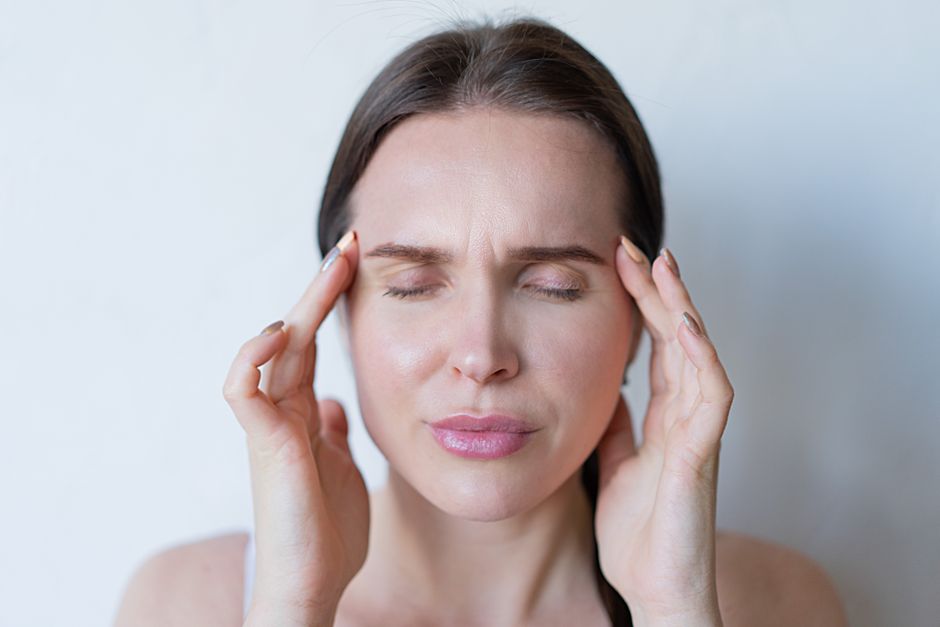
If your sinuses are blocked, pressing specific points on your face and body can often bring relief within minutes. The idea is simple: gentle pressure on certain spots helps drain mucus and eases inflammation. This is not a cure for infections or allergies, but it is a safe, drug-free way to manage symptoms. Many people find it works best when done a few times a day, especially during colds or allergy season.
How To Clear Sinuses With Pressure Points?
You clear sinuses with pressure points by applying firm, steady pressure to specific areas on your face, hands, and feet. These points are connected to your sinus passages through the body’s network of nerves and connective tissue. When you press them, you stimulate blood flow and encourage mucus to drain.
The most common points are on your face. The bridge of your nose, just between your eyebrows, is a key spot. Another is on each side of your nose, right next to the nostril. Press these points with your index and middle fingers for about one minute each. Use enough pressure to feel a gentle ache, but never pain. Breathe slowly while you do this.
There are also points on your hands. The webbing between your thumb and index finger is a well-known pressure point for sinus relief. Press it on both hands for 30 seconds each. Some people also use points on the feet, though the evidence for these is weaker. The face points are the most reliable for sinus clearing.
What Does Research on How To Clear Sinuses With Pressure Points Show?
The research on pressure points for sinuses is limited but promising. A 2016 study published in Laryngoscope found that acupressure reduced nasal congestion in people with allergic rhinitis. Participants who received acupressure reported less stuffiness and better breathing compared to those who did not. The study was small, with only 40 people, but the results were statistically significant.
Another study from 2018 in Complementary Therapies in Medicine looked at acupressure for chronic sinusitis. It found that daily self-acupressure for four weeks improved sinus symptoms and quality of life. The researchers noted that the effects were similar to those of nasal sprays, but without the side effects. Again, the sample size was modest at 60 participants.
Stronger evidence exists for general pain relief. The National Institutes of Health (NIH) states that acupressure may help with some types of pain, including headache and sinus pressure. The mechanism is not fully understood, but it likely involves the release of endorphins and the activation of the body’s natural pain-relieving pathways. For sinus clearing, the evidence is suggestive but not definitive. More large-scale studies are needed.
It is worth noting that most research focuses on acupressure as a complementary therapy, not a standalone treatment. No study has shown that pressure points alone can cure a sinus infection. They work best alongside standard care like saline rinses, steam, and antihistamines if allergies are the cause.
Which Pressure Points Are Best for Sinus Relief?
There are several pressure points that people commonly use for sinus relief. The table below lists the most effective ones based on both traditional use and available research.
| Pressure Point | Location | How To Press | Time |
|---|---|---|---|
| Yintang (Third Eye) | Between eyebrows, at the bridge of the nose | Use your index finger or thumb. Press firmly upward. | 1 minute |
| LI20 (Side of Nose) | On each side of the nose, at the crease where the nose meets the cheek | Use both index fingers. Press inward and slightly upward. | 1 minute each side |
| LI4 (Hegu) | Webbing between thumb and index finger | Use the thumb of the opposite hand. Press toward the bone of the index finger. | 30 seconds each hand |
| GB20 (Wind Pool) | Base of the skull, in the hollows between the neck muscles | Use both thumbs. Press upward and inward toward the skull. | 1 minute |
| ST36 (Leg Three Miles) | Below the kneecap, about four finger-widths down on the outside of the shinbone | Use your thumb or index finger. Press firmly. | 1 minute each leg |
Most people find the face points most effective for immediate sinus clearing. The LI4 point on the hand is a strong general pain reliever and can help with sinus headache. The GB20 point at the base of the skull is good for pressure that extends to the back of the head. The ST36 point on the leg is more for overall immune support and is less directly linked to sinus relief.




How Often Should You Use Pressure Points for Sinus Relief?
You can use pressure points for sinus relief several times a day. There is no known risk of overuse as long as you are gentle. The most common recommendation is to do a full session in the morning and again in the evening. If your sinuses are especially blocked, you can do it every few hours.
Each session should last about five to ten minutes. Press each point for 30 seconds to one minute. Use a circular motion or a steady, firm press. Breathe deeply while you do it. Some people find that combining pressure points with steam or a warm compress makes the effect stronger.
For chronic sinus issues, consistency matters more than intensity. Doing a short session daily is better than a long session once a week. Many people report that it takes a few days of regular use before they notice significant improvement. Be patient and stick with it.
If you have a sinus infection with fever or green mucus, pressure points alone will not fix it. See a doctor. Pressure points are a symptom management tool, not a treatment for infection. They work best for congestion caused by allergies, colds, or environmental irritants.
What Are the Side Effects of Using Pressure Points for Sinus Relief?
Side effects from pressure points are rare and usually mild. The most common is slight bruising or tenderness at the point of pressure. This happens if you press too hard. Always use gentle to moderate pressure. If it hurts, you are pressing too hard.
Some people feel lightheaded or dizzy during or after a session. This is more common with points on the head and neck, especially GB20. If you feel dizzy, stop and sit down. Drink water. The feeling usually passes quickly. Avoid pressing points on the neck if you have low blood pressure or a history of fainting.
Pregnant women should be cautious with certain points. The LI4 point on the hand and the SP6 point on the ankle are traditionally thought to stimulate uterine contractions. Most sources advise avoiding these points during pregnancy, especially in the first and third trimesters. If you are pregnant, stick to face points only and consult your doctor.
There is no evidence that pressure points cause any serious harm. The biggest risk is wasting time on a method that may not work for you. If you do not feel relief after a week of consistent use, try a different approach. Pressure points are not a substitute for medical care.
Common Misconceptions About Clearing Sinuses With Pressure Points
A common myth is that pressing harder gives better results. This is false. Too much pressure can cause pain, bruising, and even nerve irritation. The goal is firm, steady contact, not force. You should feel a sensation of pressure, not sharp pain. If the point is tender, ease off.
Another misconception is that pressure points work instantly for everyone. They do not. Some people feel relief within minutes. Others need several days of regular use. Individual responses vary widely. Factors like the cause of congestion, your overall health, and your pain tolerance all play a role. Do not expect a miracle on the first try.
Some people believe that pressure points can replace medication. This is not supported by evidence. Pressure points are a complementary therapy, meaning they work alongside other treatments. If you have a bacterial sinus infection, you still need antibiotics. If you have severe allergies, you still need antihistamines. Pressure points can help manage symptoms, but they do not treat the underlying cause.
Finally, there is a myth that all pressure points are equally effective for sinus relief. They are not. The points on your face, especially Yintang and LI20, have the strongest evidence. Points on your hands and feet are less directly connected. Focus on the face points first. Add others only if you have time and interest.
What To Avoid When Using Pressure Points for Sinus Relief
Avoid using pressure points on broken or irritated skin. If you have a rash, a cut, or a pimple on the point, skip it. Pressing on damaged skin can cause infection or worsen irritation. Wait until the skin heals before using that point.
Do not use pressure points immediately after eating a large meal. Some points, especially on the abdomen and legs, can cause nausea if pressed on a full stomach. Wait at least 30 minutes after eating. Face points are less affected by this, but it is still good practice.
Avoid pressing on the eyes or directly on the eyeball. The pressure points around the eyes are on the bone, not the soft tissue. Never press into the eye socket. This can cause pain, blurred vision, or even injury. Stick to the bony areas around the nose and eyebrows.
Do not combine pressure points with other strong physical therapies like deep tissue massage on the same area. This can overstimulate the nerves and cause discomfort. Space out different treatments by at least a few hours. If you are unsure, start with pressure points alone and see how you feel.
Frequently Asked Questions
How long does it take for pressure points to clear sinuses?
Some people feel relief within minutes. For others, it takes several days of regular use. Consistency matters more than speed.
Can pressure points cure a sinus infection?
No. Pressure points help manage symptoms like congestion and pressure, but they do not treat the infection. See a doctor for antibiotics if needed.
Is it safe to use pressure points on children?
Yes, but use very light pressure and shorter times. Children’s faces are more sensitive. Start with 15 seconds per point and stop if they complain of pain.
Do I need a special tool to press sinus points?
No. Your fingers are enough. Some people use a blunt pencil eraser or a small ball for harder-to-reach points, but fingers work fine for most spots.
