
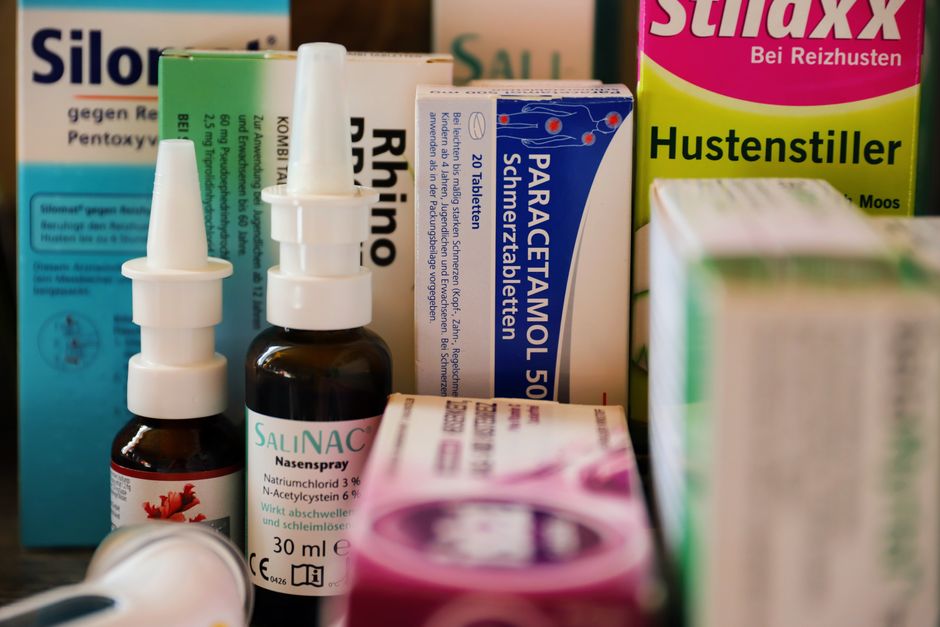
Nasal congestion happens when the blood vessels in your sinus linings swell and fill with fluid. This swelling narrows the airway, making it hard to breathe through your nose. The fastest way to clear it at home is to combine a saline rinse with steam inhalation and warm fluids. These methods work by thinning mucus and reducing swelling, which allows the trapped fluid to drain.
What Causes Sinus Congestion in the First Place?
Congestion is rarely the illness itself. It is a symptom. The most common triggers are viral infections like the common cold, allergies, and sinusitis. When your body detects a virus or allergen, it sends extra blood to the area. That extra blood makes the tissue swell.
The swelling blocks the small openings that connect your sinuses to your nasal passages. Mucus gets trapped behind those blockages. Pressure builds up. That pressure is the dull ache you feel in your cheeks, forehead, and around your eyes.
Dry air makes things worse. When the air you breathe is dry, the mucus in your nose thickens. Thick mucus does not drain well. It sits in the sinus cavities and creates a perfect environment for bacteria to grow. This is why winter months and heated indoor air often lead to more sinus problems.
How To Clear Congested Sinuses Fast at Home: The Most Effective Methods
Several home treatments have solid evidence behind them. They do not cure the underlying infection, but they do relieve the pressure and help you breathe more comfortably.
Saline nasal irrigation is the most effective single method. A neti pot or squeeze bottle with a sterile saline solution flushes out thick mucus and allergens. It works by thinning the mucus so it can flow out instead of pooling. Use distilled, sterile, or previously boiled water that has cooled. Tap water must be boiled and cooled first to avoid rare but serious infections.
Steam inhalation adds moisture directly to your airways. A warm shower works well. A bowl of hot water with a towel over your head also works. The steam loosens dried mucus and soothes irritated nasal passages. Do not use water that is boiling hot. You should feel comfortable warmth, not scalding heat.
Warm fluids help from the inside. Broth, herbal tea, and warm water with lemon keep you hydrated. Hydration matters because your body needs fluid to keep mucus thin. When you are dehydrated, mucus becomes thicker and harder to drain.
These three methods work fastest when combined. Start with a saline rinse to clear the blockage, follow with steam to open the passages, and sip warm fluids throughout the day to keep things moving.
How Long Does It Take for Home Remedies To Work?
Saline rinses work within minutes. You will feel immediate relief after flushing out thick mucus and debris. The effect lasts a few hours until mucus builds up again.
Steam inhalation also provides fast relief, usually within five to ten minutes. The warm moisture reduces swelling in the nasal tissues and helps mucus drain. The effect is temporary, though. You may need to repeat it several times a day.
For a viral cold, congestion typically peaks around day two to three and resolves within seven to ten days. If congestion lasts longer than ten days without improvement, or if you develop a fever, facial pain, or thick yellow-green discharge that persists, you may have a bacterial sinus infection that needs medical attention.





Over-the-Counter Options That Actually Work
Decongestant sprays like oxymetazoline work quickly by shrinking blood vessels in the nose. They provide fast relief, but they have a serious limitation. Do not use them for more than three consecutive days. Longer use can cause rebound congestion, where your nose becomes more blocked than before when the spray wears off.
Oral decongestants like pseudoephedrine also reduce swelling in the nasal passages. They work throughout the body, not just in the nose. They can raise blood pressure and heart rate, so people with high blood pressure or heart conditions should talk to a pharmacist or doctor first.
Saline sprays are safe to use as often as needed. They do not contain medication. They simply moisten the nasal passages and thin mucus. They are a good option for children and for people who cannot take decongestants.
Antihistamines help only if allergies are causing your congestion. They do not help with congestion from a cold or virus. Taking them for a cold when you do not need them can actually make mucus thicker and harder to drain.
Positioning and Sleeping With a Blocked Nose
Gravity affects mucus just like it affects everything else. When you lie flat, mucus pools in your sinus cavities. When you sit up or elevate your head, mucus drains downward more easily.
Sleep with your head elevated on two or three pillows. This simple change reduces the pressure in your sinuses and helps drainage while you sleep. Some people find that sleeping on their side with the congested nostril facing upward helps that side drain.
Do not lie completely flat when congestion is severe. The pressure builds faster and the discomfort increases. Elevation is one of the simplest and most overlooked strategies for nighttime relief.
When Home Remedies Are Not Enough
Most sinus congestion resolves on its own or with home care. But some situations need a doctor’s evaluation.
Seek medical care if you have congestion that lasts more than ten days without improving, a fever above 100.4°F, severe facial pain or headache, or vision changes. Swelling around the eyes, confusion, or a stiff neck are also warning signs that require prompt attention.
Bacterial sinusitis is less common than viral sinusitis, but it does happen. It often develops after a cold that seems to improve and then worsens again. This is called double sickening. If you experience this pattern, a doctor may prescribe antibiotics.
Chronic sinusitis is defined as inflammation that lasts more than twelve weeks. This condition may require more involved treatment, including prescription nasal sprays, allergy management, or in some cases surgery. Home remedies can help manage symptoms, but they do not cure chronic sinusitis.
Simple Mistakes That Make Congestion Worse
Some common habits seem helpful but actually prolong the problem.
Blowing your nose too hard can push mucus back into your sinus cavities. This increases pressure and can make the infection worse. Blow gently, one nostril at a time, with your mouth slightly open.
Using decongestant sprays for too long is the most common mistake. The three-day limit exists for a reason. Rebound congestion can be worse than the original blockage and is much harder to treat.
Ignoring hydration is another frequent error. Caffeine and alcohol both dehydrate you. They can thicken mucus and slow drainage. If you are drinking coffee or alcohol while congested, balance it with extra water.
Smoking or exposure to secondhand smoke irritates the nasal lining and increases swelling. It directly counteracts the effects of your home treatments. Avoiding smoke is one of the most effective things you can do for your sinuses.
Preventing Future Sinus Congestion
You cannot prevent every cold, but you can reduce how often congestion becomes a problem.
Keep your nasal passages moist, especially in dry climates or during winter. A humidifier in your bedroom adds moisture to the air you breathe while you sleep. Aim for indoor humidity around 30 to 50 percent. Too much humidity can promote mold growth, so do not overdo it.
Stay consistent with hydration. Drinking enough water daily keeps mucus thin and flowing. This is not a treatment for an active cold, but it reduces the chance that a mild cold turns into a miserable sinus blockage.
If allergies trigger your congestion, identify and limit your exposure to the specific allergens. Dust mites, pet dander, and pollen are common culprits. Washing bedding in hot water weekly and using allergen-proof covers can reduce exposure significantly.
Frequently Asked Questions
How long does nasal congestion last with a cold?
Congestion from a viral cold typically peaks around day two to three and resolves within seven to ten days. If it lasts longer than ten days without improving, see a doctor.
Is it safe to use a neti pot every day?
Daily saline irrigation is safe for most people when done correctly with sterile or properly boiled water. Use it as often as needed during an active infection, but stop if you experience ear pain or discomfort.
Can I use decongestant spray for more than three days?
No. Using decongestant sprays longer than three days can cause rebound congestion, making your nose more blocked than before. If you still need relief after three days, switch to a saline spray or oral decongestant.
Does eating spicy food help clear sinuses?
Spicy foods like chili peppers contain capsaicin, which can thin mucus and trigger drainage temporarily. This is a short-term effect and does not treat the underlying cause of congestion.
