
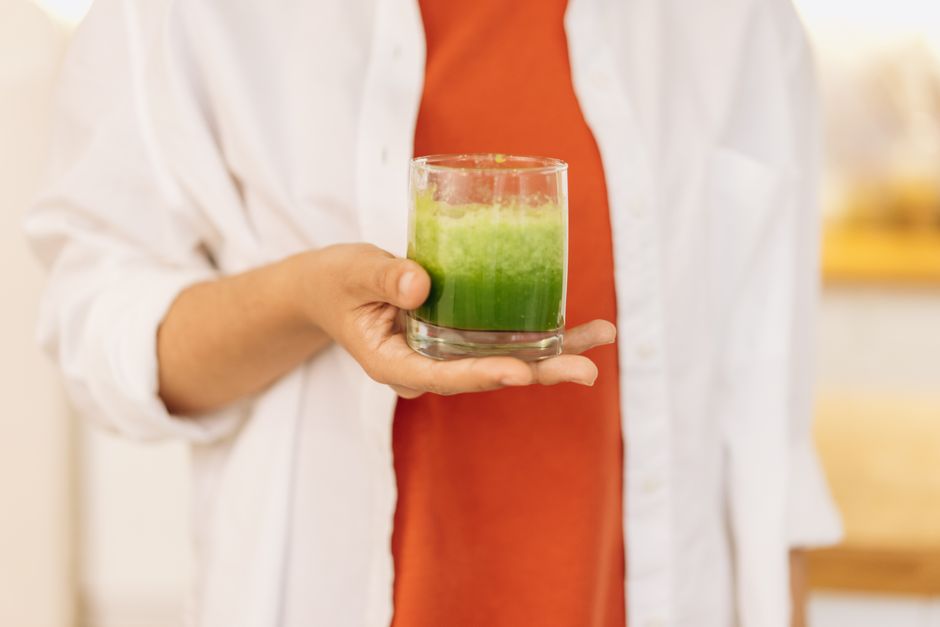
Your liver already cleans itself. It is the body’s main detoxification organ, and it does this continuously without any help from juices, teas, or supplements. So the honest answer to “how to cleanse your liver naturally at home” is this: you don’t flush it — you protect it. The habits that genuinely support liver health are ordinary ones. Limit alcohol. Eat real food. Keep your weight in a healthy range. Get vaccinated against hepatitis. Avoid unnecessary medications and untested supplements. Those steps have real evidence behind them. Most “liver cleanse” products do not.
Does Your Liver Actually Need Cleansing?
No. A healthy liver does not accumulate “toxins” that need to be flushed out. That idea is a marketing story, not physiology.
Here is what actually happens. Your liver processes everything you absorb — nutrients, medications, alcohol, hormones, and waste products your body makes on its own. It breaks these substances down through a series of chemical reactions and sends the results out through bile or your bloodstream, where your kidneys and gut finish the job. This system runs around the clock.
There is no clinical evidence that fasting, special drinks, or herbal “cleanses” remove toxins from a healthy liver. In fact, some herbal cleanse products have been linked to liver injury. The National Institutes of Health has noted that herbal and dietary supplements are a growing cause of drug-induced liver damage in the United States. That is worth sitting with: a product sold to “cleanse” your liver can, in some cases, harm it.
What Actually Works To Support Liver Health At Home?
The steps with real evidence behind them are unglamorous. They are also the ones that matter most.
- Limit or avoid alcohol. Alcohol is one of the most direct causes of liver damage. How much is “safe” varies by person, and no amount is risk-free. If you have any liver condition, avoiding it entirely is the safest choice.
- Maintain a healthy weight. Excess body fat, especially around the belly, is strongly linked to fatty liver disease — now one of the most common liver conditions worldwide. Gradual weight loss, when needed, can reduce liver fat and inflammation.
- Eat a balanced diet. Focus on vegetables, fruit, whole grains, legumes, lean protein, and healthy fats. Limit added sugar and heavily processed foods. There is no single “liver food,” but overall diet quality matters.
- Stay physically active. Regular movement supports metabolic health, which in turn supports your liver.
- Get vaccinated. Vaccines for hepatitis A and hepatitis B prevent viral infections that can damage the liver. This is one of the clearest protective steps available.
- Be careful with medications and supplements. Follow dosing instructions. Do not mix alcohol with acetaminophen. Ask a pharmacist before combining medicines. Avoid untested herbal products.
- Do not share needles or unsterile equipment. This prevents hepatitis B and C transmission.
None of these “detox” your liver in the way cleanse products promise. What they do is reduce the workload and the damage. That is the real goal.
Do Liver Detox Drinks, Teas, And Supplements Work?
No clinical evidence confirms that detox drinks, teas, or supplements remove toxins from the liver. Some carry real risk.
These products usually rely on a few ingredients — milk thistle, dandelion, turmeric, green tea extract, or various herbal blends. Some have been studied, but results are mixed and often from small or early-stage research. That is not the same as proof they help. And “natural” does not mean safe. Green tea extract in high-dose supplement form, for example, has been associated with liver injury in some reports.
The larger problem is the premise. These products assume your liver is “clogged” and needs clearing. That model does not match how the liver works. Your liver is not a filter that gets gummed up and needs flushing. It is a living organ that regenerates and processes continuously.
If a product claims to “detox” you, ask what toxin it removes and how it is measured. There is almost never a real answer.
Can Diet And Lifestyle Really Change Liver Health?
Yes — and this is where the evidence is strongest. For fatty liver disease, which is common and often linked to weight and metabolism, lifestyle changes are the main treatment.
Research consistently shows that losing weight through diet and activity can reduce liver fat and inflammation. Even modest, sustained weight loss helps. The key word is sustained — crash diets and rapid weight swings are not the goal. Slow, steady change is what the evidence supports.
Certain dietary patterns are associated with better liver outcomes. Eating more fiber, vegetables, and whole foods while cutting added sugar and refined carbohydrates is a reasonable, well-supported approach. Coffee deserves a mention: some studies suggest regular coffee drinking is associated with lower risk of liver disease progression, though it is not a treatment and the evidence is observational rather than definitive.
What does not have strong evidence: juice cleanses, water fasts marketed as liver detox, and specific “liver flush” recipes. These are widely promoted online. They are not supported by clinical trials.
What Are The Warning Signs Of Liver Problems?
Early liver disease often causes no symptoms at all. That is why it can go unnoticed for years.
When symptoms do appear, they can include fatigue, pain or swelling in the upper right abdomen, dark urine, pale stools, yellowing of the skin or eyes (jaundice), easy bruising, and swelling in the legs or belly. These signs do not confirm a liver problem on their own — many other conditions cause similar symptoms — but they warrant a medical evaluation.
This is the part cleanse culture gets dangerously wrong. If you have real liver symptoms, a juice cleanse is not the answer. You need a doctor. Blood tests and imaging can assess liver function, and early detection matters. Some liver conditions, caught early, can be managed or even reversed with medical care and lifestyle change.
When Should You See A Doctor Instead Of Trying A Cleanse?
See a doctor if you have persistent fatigue, abdominal pain, jaundice, unexplained weight loss, or a history of heavy alcohol use, hepatitis, or fatty liver. Do not try to manage these at home.
Also talk to a clinician before starting any supplement, especially if you take prescription medications, are pregnant, or have an existing liver condition. Drug interactions and liver strain are real concerns. No clinical guidelines support self-treating liver disease with cleanse products.
People with diagnosed liver disease need medical management, not home detox. Some conditions require monitoring, medication, or specialist care. A cleanse can delay proper treatment — and that delay can matter.
The Bottom Line On Natural Liver Cleansing
Your liver does not need to be cleansed. It needs to be protected. The habits that genuinely support it — limiting alcohol, eating well, staying active, maintaining a healthy weight, getting vaccinated, and being careful with medications — are backed by real evidence. Detox drinks, teas, and supplements are not.
If you want to do something good for your liver today, skip the cleanse aisle. Drink water because you are thirsty, eat a vegetable, take a walk, and go easy on the alcohol. That is what works.
Frequently Asked Questions
How can I cleanse my liver naturally at home?
You support liver health by limiting alcohol, eating a balanced diet, staying active, and maintaining a healthy weight — not by flushing it. No home remedy removes toxins from a healthy liver.
Do liver detox drinks actually work?
No clinical evidence confirms that detox drinks remove toxins from the liver. Some herbal ingredients in these products have been linked to liver injury.
What are the signs your liver is struggling?
Early liver disease often has no symptoms, but warning signs can include fatigue, upper right abdominal pain, dark urine, jaundice, and easy bruising. These signs warrant a medical evaluation, not a home cleanse.
Is milk thistle good for your liver?
Some studies suggest milk thistle may have liver-protective effects, but the evidence is mixed and not strong enough to recommend it as a treatment. Talk to a doctor before using it.
