
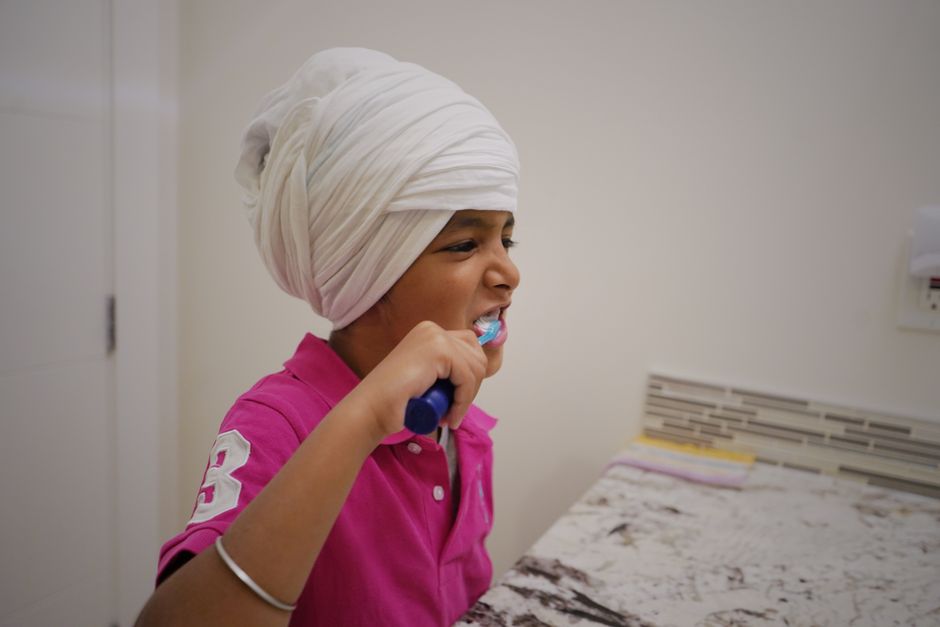
Cleaning your teeth well comes down to three things: brushing twice a day for two minutes with a fluoride toothpaste, cleaning between your teeth once a day, and getting regular professional care. Most people do the brushing part. Far fewer clean between their teeth daily, and that gap is where many cavities and gum problems begin. The goal is not a perfect routine. It is a consistent one that reaches the surfaces your toothbrush cannot.
How To Clean Your Teeth Brushing Flossing More?
Brushing removes plaque from the broad, flat surfaces of your teeth. Flossing or another between-teeth method reaches the narrow spaces where a toothbrush bristle cannot fit. Plaque is a sticky film of bacteria that builds up within hours. If it stays put, it hardens into tartar, which you cannot brush away at home and which a dental professional has to remove.
The American Dental Association recommends brushing twice a day for two minutes with a toothpaste that contains fluoride. It also recommends cleaning between your teeth once a day. Those two habits, done consistently, do most of the work. Everything else is a refinement.
Here is the part many people miss. Brushing harder or longer does not make up for skipped spaces between teeth. The bristles simply do not reach there. That is why the between-teeth step is not optional extras — it is a separate job that brushing cannot do for you.
What Is the Correct Brushing Technique?
Most people brush too hard and too fast. The technique that works is gentle and thorough, and it takes about two minutes to do properly.
Hold the brush at a slight angle toward the gumline. Use short, soft strokes in a small circular motion. Work methodically: outer surfaces, inner surfaces, then the chewing surfaces. Tilt the brush upright to reach the inside of your front teeth. Finish by brushing your tongue, which helps remove bacteria that cause bad breath.
Use a soft-bristled brush. Medium and hard bristles, combined with pressure, can wear down tooth enamel and irritate gums over time. An electric toothbrush can help people who struggle with technique or have limited hand mobility, but a manual brush used well is entirely adequate. The brush matters far less than how you use it.
- Brush for a full two minutes, twice a day — many people brush for well under one minute without realizing it.
- Use a fluoride toothpaste. Check the label; fluoride is the ingredient with the strongest evidence for preventing cavities.
- Replace your brush or brush head every three to four months, or sooner if the bristles look frayed.
- Do not scrub hard. Light pressure is enough to remove plaque.
One clarification worth knowing: some clinicians advise not rinsing with water right after brushing, so the fluoride stays on your teeth longer. Others say the evidence for this specific habit is not strong. The general direction — spit out excess toothpaste rather than washing it away — is widely recommended, but treat the finer details as reasonable practice rather than settled science.
Should You Floss Before or After Brushing?
The order matters less than doing it at all. What matters is that you clean between your teeth once a day, every day.
Some research suggests flossing before brushing may allow the fluoride from toothpaste to reach between the teeth more effectively. That finding is plausible and has some support, but it is not a reason to skip flossing if you prefer to do it after. The habit itself is what protects your teeth.
The more common problem is people who floss only when something feels stuck between their teeth. That is not the same as cleaning the spaces daily. Plaque builds up in those gaps whether or not you notice food there. By the time you feel something, the plaque has often been sitting for a while.

What If You Cannot or Will Not Floss?
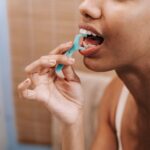
String floss is not the only option, and for some people it is not the best one. What matters is that the method actually cleans the sides of your teeth and the space just under the gumline.
Interdental brushes — small brushes designed to fit between teeth — can be more effective than floss for people with wider gaps between teeth. Some evidence suggests they clean those spaces well. Water flossers, which use a stream of water, are easier for many people to use consistently and can help remove debris. The evidence that water flossers prevent cavities as effectively as string floss is more limited, though they can be a reasonable choice for people who would otherwise clean between their teeth not at all.
If you have braces, bridges, or dental implants, ask your dentist which between-teeth tool suits your situation. The right tool for your mouth depends on the spacing of your teeth and any dental work you have.
What About Mouthwash and Tongue Cleaning?
Mouthwash can be a helpful addition, but it is not a substitute for brushing and flossing. Some rinses contain fluoride and can add cavity protection. Others target bacteria that cause bad breath or gum inflammation. Which one suits you depends on your needs, and it is worth asking your dentist rather than choosing at random.
Avoid using a mouthwash immediately after brushing if it means rinsing away your fluoride toothpaste. Many people brush, then rinse with mouthwash, which can wash off the fluoride you just applied. If you use mouthwash, consider a separate time of day.
Tongue cleaning is simple and worthwhile. Brushing your tongue or using a tongue scraper helps remove bacteria and food debris that contribute to bad breath. It is not a cavity-prevention tool, but it supports general mouth cleanliness.
How Often Should You See a Dentist?
Regular professional cleanings remove tartar that builds up despite good home care. Most dental professionals recommend a checkup and cleaning at intervals based on your individual risk — commonly every six months, but some people need more frequent visits and some need fewer.
There is no single schedule that fits everyone. Your history of cavities, gum health, smoking status, and other factors all influence how often you should be seen. The key point is that home care and professional care work together. Good brushing does not replace a cleaning, and a cleaning does not replace daily brushing and flossing.
Watch for signs that warrant a sooner visit: bleeding gums when you brush, persistent bad breath, sensitivity, or any pain. Bleeding gums are often an early sign of gum inflammation, and they are not normal — a common misconception is that a little bleeding is fine. It usually means plaque is irritating the gums and needs attention.
Common Mistakes That Undermine Good Cleaning
Many people brush twice a day and still develop problems. Usually one of these habits is the reason.
- Rushing the brush. Two full minutes is longer than it feels. Most people stop early.
- Skipping between-teeth cleaning. This is the most common gap and the one that most affects gum health and cavities between teeth.
- Brushing too hard. Aggressive scrubbing can damage enamel and irritate gums without cleaning better.
- Rinsing right after brushing. It can wash away the fluoride that protects your teeth.
- Ignoring the gumline. Plaque collects where the tooth meets the gum, and that area is easy to miss.
None of these require special products to fix. They require attention to how you already brush and a commitment to the daily between-teeth step.
Does Diet Affect How Clean Your Teeth Stay?
What you eat and drink affects your teeth between cleanings. Frequent exposure to sugar feeds the bacteria that produce acid, and acid attacks enamel. Sipping sugary drinks throughout the day keeps your teeth under repeated acid exposure, which is harder on them than having sugar once with a meal.
This is not about eliminating sugar entirely. It is about frequency. Water is the best drink for your teeth, and drinking it after eating helps rinse away food and acid. Chewing sugar-free gum after meals can also help stimulate saliva, which naturally protects teeth.
Fluoride remains the most evidence-supported ingredient for preventing cavities. It strengthens enamel and helps reverse early damage. That is why fluoride toothpaste is recommended for most people, and why it is worth checking that yours contains it.
Frequently Asked Questions
How long should you brush your teeth?
Brush for two full minutes, twice a day. Most people brush for much less than that without realizing it.
Is it better to floss before or after brushing?
Doing it at all matters more than the order. Some evidence suggests flossing first lets fluoride reach between teeth better, but either order protects your teeth.
Can you clean your teeth too much?
Brushing too hard or too often can wear enamel and irritate gums. Twice a day with gentle pressure is the recommended approach.
What can I use instead of floss?
Interdental brushes and water flossers are options, though evidence for water flossers preventing cavities is more limited. Ask your dentist which suits your teeth.
