
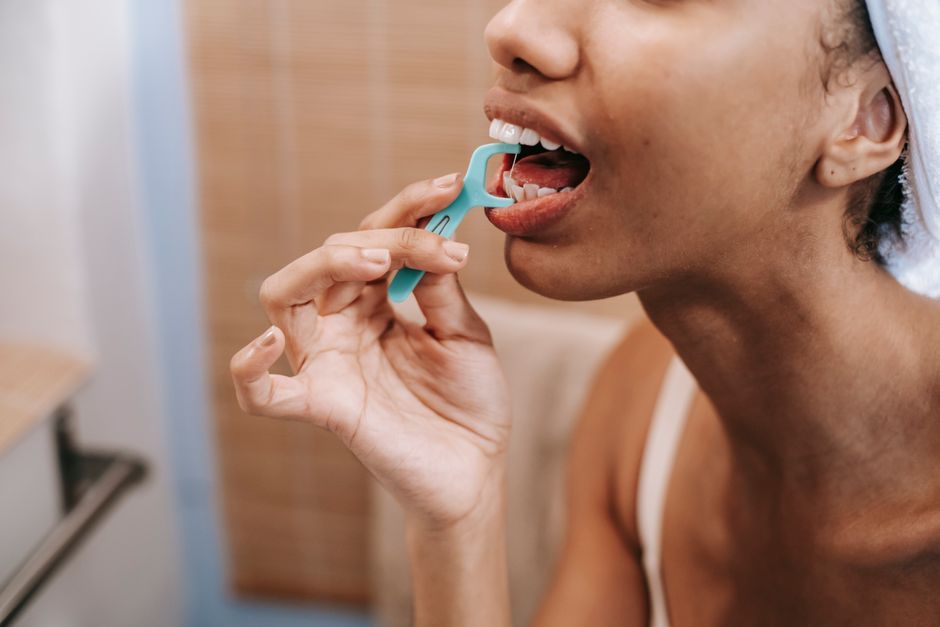
Keeping your mouth clean after wisdom teeth removal is essential, but you cannot brush or rinse normally for the first few days. Your focus shifts to protecting the blood clot that forms in the socket, which is critical for proper healing. Start with gentle salt water rinses 24 hours after surgery, then gradually return to brushing your other teeth while carefully avoiding the surgical sites.
Why Cleaning Matters So Much After Surgery
The socket left behind after a wisdom tooth extraction is an open wound. A blood clot forms in that space, and that clot is the foundation for new tissue growth. If the clot dislodges, you can develop a painful condition called dry socket, which exposes bone and nerves.
Food debris can also collect in the sockets, increasing your risk of infection. But aggressive cleaning can do more harm than good in the first week. The goal is to keep the area clean without disturbing the healing process.
Your surgeon will give you specific instructions based on your case. These instructions may vary depending on how many teeth were removed, whether they were impacted, and whether you received stitches. Follow those instructions first, and use the general guidance here as a supplement.
What Can You Do in the First 24 Hours?
Do not brush, rinse, spit, or use mouthwash on the day of surgery. These actions create suction or pressure that can dislodge the blood clot.
You can gently wipe the surfaces of your other teeth with a clean, damp cloth or gauze if needed. Avoid the surgical area entirely. Do not use a straw, do not smoke, and do not drink carbonated beverages. These all create negative pressure in your mouth, which increases the risk of losing the clot.
Bleeding is normal for the first several hours. Bite down gently on the gauze pads your surgeon placed, changing them as directed. If bleeding continues heavily beyond 24 hours, contact your surgeon.
When Can You Start Rinsing?
Most surgeons recommend starting gentle salt water rinses 24 hours after surgery. Mix about half a teaspoon of salt in a glass of warm water. Do not swish vigorously. Tilt your head side to side and let the water move gently over the area, then let it fall out of your mouth into the sink. Do not spit.
Repeat this rinse after every meal and before bed for the first week. It removes food particles and keeps the area clean without harsh chemicals.
Do not use commercial mouthwash during the first week unless your surgeon specifically recommends it. Most contain alcohol or other ingredients that can irritate the healing tissue.




How To Clean Your Teeth After Wisdom Teeth Removal: The First Week
You can resume brushing your teeth the day after surgery, but only on teeth that are not near the extraction sites. Use a soft-bristled toothbrush and be gentle. Avoid the back teeth, the gum tissue around the sockets, and any areas with stitches.
For the teeth adjacent to the surgical site, you can brush very lightly, but keep the bristles away from the socket itself. Do not brush the socket directly for at least one week.
Flossing is also allowed in the front of your mouth, but do not floss near the extraction sites. The floss can easily slip into the socket and cause pain or dislodge the clot.
Some surgeons recommend using a prescription mouth rinse like chlorhexidine (Peridex) starting a day or two after surgery. If you were given one, use it exactly as directed, usually twice daily after brushing. It does not replace salt water rinses; it works alongside them.
What About Stitches and Syringes?
If you have dissolvable stitches, they will break down on their own over one to three weeks. Do not pull on them. If they feel loose, leave them alone. If they cause significant irritation after two weeks, call your surgeon.
Some surgeons provide a curved-tip syringe for cleaning the sockets after the first week. This is often recommended when the sockets are deep enough to trap food. You fill the syringe with warm salt water and gently direct the tip into the socket to flush out debris. Do not use the syringe until your surgeon tells you it is safe, usually at your follow-up visit.
Using the syringe too early can push debris deeper or disturb the healing tissue. When you do start using it, be gentle. The water pressure should be low.
When Can You Return to Normal Brushing?
Most people can resume normal brushing of all teeth, including the surgical area, after about one week. But the socket may still be healing for several weeks, so continue to be gentle.
By week two, the socket is usually covered with new tissue, and the risk of dry socket drops significantly. You can brush more normally, but avoid aggressive scrubbing over the extraction site.
Full healing of the bone takes several months, even though the surface looks closed. The gum tissue closes over the socket in about three to four weeks. Deep cleaning with a dental professional should wait until your surgeon clears you, usually at your follow-up appointment.
Signs of Infection or Complications
Some pain and swelling are normal after wisdom teeth removal. But certain signs should prompt a call to your surgeon.
Contact your surgeon if you have:
- Pain that gets worse after day three instead of better
- Fever above 101°F
- Pus or foul-tasting drainage from the socket
- Numbness that does not go away
- Bleeding that soaks through gauze after 24 hours
- Difficulty opening your mouth that gets worse
Dry socket is the most common complication, affecting about 2 to 5 percent of all extractions, and it is more common with lower wisdom teeth. The pain usually starts two to three days after surgery and feels like a deep, throbbing ache. If you suspect dry socket, call your surgeon. They can place a medicated dressing in the socket to relieve pain, but you cannot fix it at home.
Infection after wisdom tooth removal is less common, affecting roughly 1 to 6 percent of patients. Keeping the area clean with salt water rinses is your best defense, but it does not guarantee prevention.
Food and Drink Tips That Help Keep Your Mouth Clean
What you eat affects how much debris collects in your sockets. Stick to soft foods for the first few days: yogurt, applesauce, mashed potatoes, scrambled eggs, and smooth soups. Avoid foods with small particles like rice, seeds, nuts, or popcorn for at least two weeks.
These small pieces can lodge in the sockets and are difficult to remove, even with rinsing. If something gets stuck, do not pick at it with your finger, a toothpick, or a cotton swab. Rinse gently with salt water. If it does not come out, call your surgeon.
Drink plenty of water, but do not use a straw for at least one week. The suction can dislodge the clot. Avoid alcohol and hot beverages for the first 48 hours, as both can interfere with healing and increase bleeding.
Day-by-Day Cleaning Schedule
Here is a simple timeline for most routine cases. Your surgeon’s instructions may differ, so follow theirs if there is a conflict.
- Day of surgery: No brushing, rinsing, spitting, or mouthwash. Bite on gauze as directed.
- Day 1 to 3: Gentle salt water rinses after meals. Brush front teeth only. No spitting.
- Day 4 to 7: Continue salt water rinses. Brush all teeth gently, avoiding the socket. Start flossing away from the surgical sites.
- Day 7 to 14: Resume normal brushing with a soft brush. Use the curved syringe if your surgeon provided one and instructed you to.
- Week 3 and beyond: Normal cleaning routine, but continue to be gentle at the extraction site until your follow-up visit.
If you had multiple extractions, impacted teeth, or bone grafting, your timeline may be longer. Ask your surgeon before resuming any normal cleaning habits.
Frequently Asked Questions
Can I brush my teeth the day after wisdom teeth removal?
Yes, but only the teeth away from the surgical sites. Avoid the extraction area entirely for at least the first week.
How soon can I use mouthwash after wisdom teeth removal?
Do not use commercial mouthwash for at least one week unless your surgeon prescribed it. Use warm salt water rinses starting 24 hours after surgery instead.
What happens if food gets stuck in the wisdom tooth socket?
Rinse gently with warm salt water, tilting your head to let the water move over the area. Do not pick at the socket with any object, and contact your surgeon if the debris will not come out.
When can I use the syringe to clean my wisdom tooth sockets?
Only use the syringe when your surgeon tells you it is safe, usually at your follow-up visit around one week after surgery. Using it too early can disrupt healing.
