
Your gums do not need to be scrubbed. They need to be cleaned at the seam where they meet your teeth, gently and often, because that seam is where the trouble starts. The core routine is simple: brush along the gumline with a soft-bristled toothbrush at a 45-degree angle, clean between every tooth once a day, and keep plaque from sitting undisturbed for days. Add regular professional cleanings, and you have covered the steps that actually protect gum health.
Gum disease is common and largely preventable. In its early stage it is reversible. Once it advances, the damage to the bone that holds teeth in place cannot be undone. That is why the daily steps matter so much. They are not about freshness or appearance. They are about keeping bacteria out of a space your body cannot easily clean on its own.
What Is Actually Happening Along Your Gumline?
Your teeth are held in place by a supporting structure that includes the gums and the bone beneath them. The gum tissue forms a seal around each tooth. That seal is not tight like a gasket. It creates a shallow groove called the sulcus, usually about 1 to 3 millimeters deep in healthy gums.
Every surface in your mouth collects bacteria in a sticky film called plaque. Plaque forms constantly, and it re-forms within hours of being removed. When plaque sits along the gumline, the bacteria in it trigger an immune response. Your gums respond by becoming inflamed. That inflammation is gingivitis, and it shows up as redness, swelling, and bleeding when you brush or floss.
Here is the part many people get wrong. The bleeding is not a sign that you are brushing too hard. It is a sign of inflammation. Bleeding gums are often the first visible symptom of gum disease, and it usually means plaque has been left undisturbed in that area.
If plaque stays put for several days, it hardens into tartar, also called calculus. Tartar is mineralized and cannot be brushed or flossed away. Once tartar forms below the gumline, it traps more bacteria and keeps the tissue inflamed. This is when gingivitis can progress to periodontitis, a more serious condition where the inflammation reaches the bone and ligaments supporting the teeth.
Gingivitis is reversible with good daily care and professional cleaning. Periodontitis is not reversible in the same way. It can be managed and its progression slowed, but the bone and tissue lost are generally not restored.
How To Clean Your Gums Steps For A Healthy Mouth?
These are the steps that matter most, in the order they usually make sense. None of them require special skill. They require consistency.
- Choose the right brush. Use a soft-bristled toothbrush. Medium and hard bristles can damage gum tissue over time. An electric brush can help if you have trouble with hand brushing, but a manual brush used well is effective.
- Angle the brush at 45 degrees. Point the bristles toward the gumline so they reach into the sulcus. This angle is what cleans the seam, not just the flat surface of the tooth.
- Use gentle pressure and small strokes. Move the brush in short back-and-forth or small circular motions. Let the bristles do the work. Pressing hard does not clean better and can irritate the gums.
- Clean every surface. Brush the outer surfaces, the inner surfaces, and the chewing surfaces of all teeth. Do not skip the teeth at the very back.
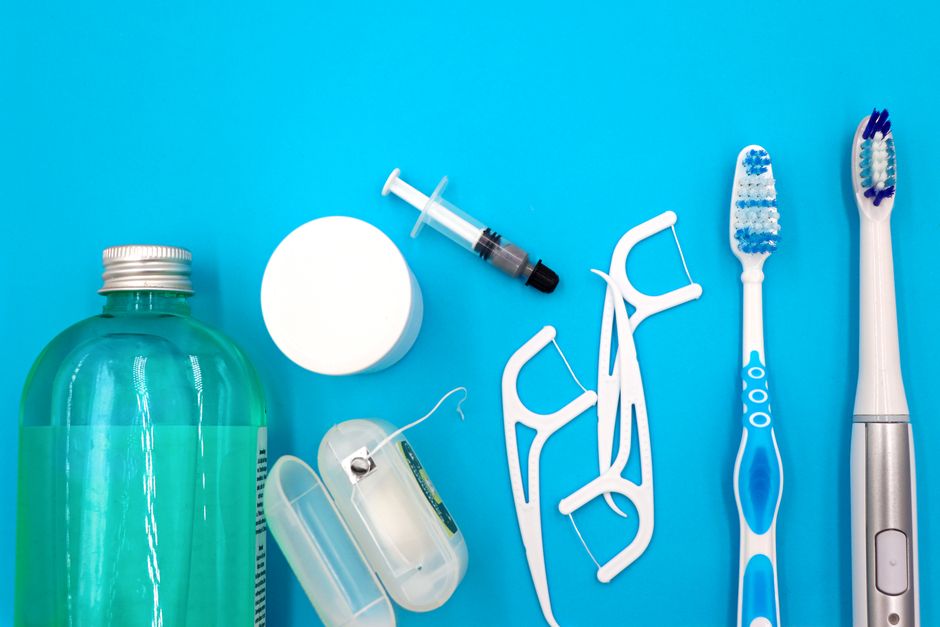
- Clean between your teeth once a day. A toothbrush cannot reach the space between two teeth. That space needs floss, interdental brushes, or another between-teeth tool.
- Be thorough but not rough. Most people brush for far less time than they think. Aim for a full two minutes.
The between-teeth step is the one most people skip, and it is the one most closely tied to gum health. The gum tissue between teeth is where gingivitis often starts, because a toothbrush bristle simply cannot get in there.
Should You Floss, Use Interdental Brushes, or Both?
Cleaning between the teeth is not optional if you want healthy gums. The question is which tool works best for you.
Traditional string floss works well when teeth are close together and the contacts are tight. It requires some dexterity and a habit strong enough to keep it up. Many people find floss awkward and stop using it.
Interdental brushes are small brushes that fit into the spaces between teeth. For people with wider gaps, or with gum recession that has opened up the spaces, these brushes can clean more effectively than floss. Some evidence suggests that for people who can use them, interdental brushes remove plaque from between teeth at least as well as floss, and possibly better. The right size depends on the size of your gaps, which a dental professional can help you figure out.
Water flossers are another option. They use a stream of water to clean between teeth and along the gumline. Some studies suggest they can reduce bleeding and inflammation, though the evidence is not as strong as for floss or interdental brushes for removing plaque directly. They can be a reasonable choice for people who will not use floss or brushes, or who have braces or other dental work that makes flossing hard.
The honest summary: the best between-teeth tool is the one you will actually use every day. Technique matters more than brand. If you are not sure which fits your mouth, ask your dental hygienist to show you.




What About Mouthwash and Other Products?
Mouthwash can be a helpful addition, but it is not a substitute for brushing and cleaning between teeth. No rinse can remove the plaque film the way mechanical cleaning does.
Some rinses contain antibacterial ingredients. Some contain fluoride, which helps protect teeth from decay. A few are prescription rinses used short-term to manage gum inflammation. If you use a rinse, pick one that fits your needs and follow the label. Do not use it as a way to skip the brush or the floss.
Be cautious with products that promise to cure gum disease or reverse periodontitis. No over-the-counter rinse or toothpaste has been shown to reverse periodontitis. Marketing language on dental products is often stronger than the evidence behind it. If a claim sounds like a cure, it is worth checking with a dental professional before you rely on it.
Toothpaste matters less than technique. A fluoride toothpaste helps prevent decay. Whitening and tartar-control pastes may help with surface stains or tartar above the gumline, but they do not treat gum disease.
Why Professional Cleanings Are Part of the Routine
Daily care handles the plaque you can reach. Professional cleanings handle what you cannot. Even with excellent brushing and flossing, tartar can form in hard-to-reach areas, especially below the gumline.
A dental professional can remove plaque and tartar from above and below the gumline. They can also measure the depth of the sulcus around each tooth. In healthy gums this is usually 1 to 3 millimeters. Deeper pockets can be a sign that gum disease has progressed and that the tissue is pulling away from the tooth.
How often you need a cleaning depends on your gum health and your risk factors. Many people do well with a cleaning every six months. People with a history of gum disease, or with conditions that raise their risk, may need more frequent visits. Your dental professional can advise you based on your own situation.
This is also where early problems get caught. Gingivitis that is treated early does not progress. Periodontitis caught early is easier to manage than periodontitis caught late.
What Raises Your Risk for Gum Problems?
Some factors make gum disease more likely, and knowing them helps you act sooner.
- Smoking and tobacco use. Tobacco is one of the strongest risk factors for gum disease. It also masks some of the signs, so problems can be further along before they are noticed.
- Poor blood sugar control in diabetes. Diabetes and gum disease influence each other. High blood sugar raises the risk of gum problems, and gum inflammation can make blood sugar harder to control.
- Certain medications. Some drugs reduce saliva flow, and some can cause gum overgrowth. Dry mouth raises the risk of gum problems because saliva helps protect the mouth.
- Hormonal changes. Pregnancy, puberty, and menopause can make gums more sensitive to plaque.
- Genetics and age. Some people are more prone to gum disease regardless of how well they care for their teeth.
- Crooked teeth or dental work. Hard-to-reach areas collect more plaque.
If you have any of these risk factors, the daily steps matter even more, and professional cleanings become more important, not less.
Does Brushing Harder or Longer Help?
No. Brushing harder does not clean better, and it can cause real harm. Too much pressure can wear away gum tissue and expose the roots of teeth, which can lead to sensitivity and a higher risk of decay on those exposed surfaces.
Brushing longer also has limits. Two minutes of careful brushing is enough for most people. Brushing for ten minutes with a hard brush is not better and can be worse.
The goal is thorough, gentle coverage. Soft bristles, a 45-degree angle, small strokes, and cleaning between the teeth once a day. That combination does more for your gums than any amount of force.
Frequently Asked Questions
How often should I clean my gums?
Brush along the gumline twice a day and clean between your teeth once a day. Daily cleaning is what keeps plaque from hardening into tartar.
Why do my gums bleed when I brush?
Bleeding gums usually mean the tissue is inflamed from plaque left along the gumline. It is a sign to clean more thoroughly and gently, not less, and to see a dental professional if it continues.
Can gum disease be reversed?
Gingivitis, the early stage, is reversible with good daily care and professional cleaning. Periodontitis, the more advanced stage, can be managed but the bone and tissue lost are generally not restored.
Is flossing or an interdental brush better for gums?
Both clean between teeth effectively, and the best choice is the one you will use daily. Interdental brushes may work better for people with wider spaces between teeth.
