

Your belly button is easy to forget. It sits in a dark, warm fold of skin, and for most people, it gets little attention beyond a quick splash of water in the shower. Yet that small indentation collects dead skin cells, sweat, body oils, and lint from clothing. When those materials build up, they can form a hard mass known as an omphalolith, or belly button stone. Cleaning it properly is simple, takes less than two minutes, and requires nothing more than warm water, mild soap, and a soft cloth or cotton swab.
Why Does My Belly Button Need Special Cleaning?
The skin inside your navel is like the rest of your skin, but with one key difference: it does not shed the same way. Dead skin cells, sweat, and oils get trapped in the fold instead of falling away. Over time, this mixture combines with lint from clothing and can harden into a compact ball.
That buildup is normal, but it can cause problems if ignored. A dirty belly button can develop a strong odor, become itchy, or harbor bacteria and yeast. In some cases, the buildup becomes painful or leads to an infection. Regular cleaning prevents most of these issues entirely.
Your navel shape matters too. An “innie” collects more debris because it has a deeper pocket. An “outie” is easier to keep clean because it is mostly flat. Neither is better or worse, but the cleaning routine below works for both.
How To Clean Your Belly Button: Step By Step
This is the core routine. It is gentle, safe for daily use, and works for most people. You do not need special tools or products.
- Wet a soft washcloth or cotton swab with warm water. Warm water loosens dried skin and oils better than cold water.
- Apply a small drop of mild soap. Use the same soap you use on your body. Avoid harsh antibacterial soaps, which can irritate the delicate skin inside the navel.
- Gently wipe the inside of the belly button. Use a circular motion. For innies, insert the cloth or swab just slightly and rotate it slowly. Do not dig or press hard.
- Rinse thoroughly. Soap residue left behind can irritate the skin. Use a clean, damp cloth to wipe away all soap.
- Pat the area dry completely. Moisture left in the navel encourages bacterial and fungal growth. A dry belly button is a healthy belly button.
That is the entire routine. Most people only need to do this once or twice a week, not every day. Daily cleaning can dry out the skin and cause irritation.
What If My Belly Button Has a Hard Lump or Smell?
A hard lump in the navel is usually an omphalolith, the medical term for a belly button stone. It forms when the same dead skin and oil mixture compacts into a dense, dark-colored mass. It can look like a blackhead, but it is much larger and harder.
Do not try to pick it out with your fingernails or tweezers. That can tear the skin and introduce bacteria. Instead, soften the mass first. Apply a few drops of mineral oil, baby oil, or olive oil to the navel and leave it for 15 to 20 minutes. Then use a cotton swab to gently lift the softened material out. If it does not come out easily, repeat the oil treatment over several days.
A strong odor usually means buildup is present, even if you cannot see it. The smell comes from bacteria breaking down the trapped skin cells and oils. Regular cleaning with the routine above typically resolves the odor within a week.
If the lump is painful, red, or draining fluid, stop home treatment and see a doctor. These signs can indicate an infection that needs medical attention.




What Causes Belly Button Infections?
Infections in the navel are not common, but they do happen. The most frequent cause is poor hygiene combined with moisture. When sweat and water stay trapped in the fold, yeast and bacteria multiply.
People with deep innies are at higher risk because their navel retains more moisture. People who are overweight, have diabetes, or have a weakened immune system also face higher infection risk. Piercings in the navel can introduce bacteria and increase infection risk, especially if the piercing is recent.
Symptoms of an infection include redness, swelling, pain, itching, and a discharge that may be white, yellow, or green. The area may also feel warm to the touch. If you notice these signs, clean the area gently with soap and water, keep it dry, and contact a healthcare provider. Do not apply antibiotic ointments without medical advice, because fungal infections require different treatment than bacterial ones.
Are There Special Cases Like Pregnancy or Piercings?
During pregnancy, the belly button often changes shape. As the abdomen expands, an innie may become an outie. The skin stretches and can become sensitive. Cleaning remains important, but use extra gentleness. Avoid inserting swabs deeply, and make sure the area is fully dry after bathing.
If you have a navel piercing, the cleaning routine is slightly different. The piercing channel itself needs care, especially in the first few months. Clean the area with saline solution, not soap, and avoid rotating the jewelry. Once healed, you can clean the navel normally, but pay attention to the skin around the jewelry where debris collects.
If you have had abdominal surgery, your navel may be sensitive or have scar tissue. Wait until your surgeon clears you for normal bathing before cleaning the navel directly. Until then, let soapy water run over the area during a shower without scrubbing.
What Should I Avoid When Cleaning My Belly Button?
Several common habits can harm the navel more than help it.
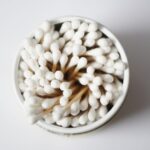
- Do not use cotton swabs aggressively. A swab is fine for gentle wiping, but pushing it deep into the navel can damage the skin lining.
- Do not use alcohol or hydrogen peroxide. These dry out the skin and can cause cracking, which invites infection.
- Do not scratch with fingernails. Fingernails carry bacteria and can easily cut the thin skin inside the navel.
- Do not apply lotions or creams inside the navel. They trap moisture and create a breeding ground for yeast.
- Do not ignore persistent pain or discharge. These are not normal and warrant a medical evaluation.
If your belly button feels irritated after cleaning, you may be cleaning it too often or using soap that is too harsh. Reduce frequency to once a week and use a gentler soap.
How Often Should I Clean My Belly Button?
For most people, once or twice a week is sufficient. This keeps buildup from forming without irritating the skin. If you sweat heavily, exercise daily, or have a deep innie, you may need to clean it more often.
People with outies rarely need more than weekly cleaning. The flat surface sheds skin cells normally, so buildup is minimal.
The key is consistency, not intensity. A quick 30-second wipe during your regular shower, done weekly, prevents nearly all belly button problems.
Frequently Asked Questions
Can I use a cotton swab to clean my belly button?
Yes, a cotton swab is safe for gentle cleaning. Do not push it deep or scrub hard, as the skin inside the navel is thin and easily damaged.
Why does my belly button smell even after I wash it?
A smell usually means trapped dead skin and oil are still present. Clean gently with soap and water, dry thoroughly, and repeat weekly until the odor resolves.
Is it safe to use rubbing alcohol on my belly button?
No. Rubbing alcohol dries out the delicate skin inside the navel and can cause cracking, which increases infection risk.
When should I see a doctor about my belly button?
See a doctor if you have pain, redness, swelling, or a discharge that is yellow, green, or foul-smelling. These can be signs of an infection requiring treatment.
