
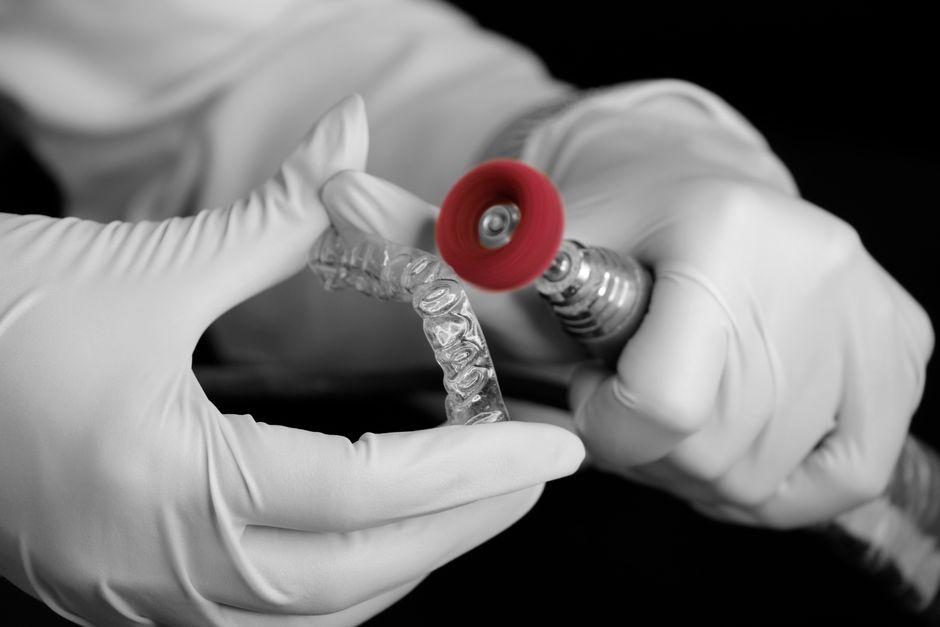
Cleaning retainers at home comes down to three things: mechanical scrubbing, the right soaking agent, and thorough rinsing. Brush the retainer daily with a soft toothbrush and mild soap or a non-abrasive cleanser, soak it as needed in a denture cleaner or a diluted white vinegar solution, and rinse it well before it goes back in your mouth. Skip boiling water, bleach, and regular toothpaste — each can damage the plastic or leave residue that irritates your mouth.
Retainers are not self-cleaning. The same warm, moist environment that keeps them comfortable against your teeth also supports bacterial and fungal growth. What follows is what actually works, what quietly ruins retainers, and where the evidence is thinner than the internet suggests.
Why Do Retainers Get Dirty So Fast?
A retainer sits against your teeth and gums for hours at a time, often overnight. Saliva, food particles, and the bacteria in dental plaque coat the plastic and the metal wires. The retainer becomes a sheltered surface where that film can build up undisturbed.
Because the material is porous at a microscopic level, especially the clear plastic types, residue works into tiny surface scratches rather than staying on top where a quick rinse would remove it. Over time that film hardens into a visible white or cloudy layer. It can also carry odor.
This is why a rinse alone is not enough. The physical action of brushing is doing real work. Soaking loosens what has already settled. Neither step replaces the other.
How To Clean Retainers At Home The Right Way
The reliable method is simple and does not require special products. Brush, soak, and rinse — in that order — with materials that will not scratch or degrade the retainer.
Step one: brush with a soft toothbrush. Use a soft-bristled brush and a small amount of mild, unscented liquid soap or a cleanser made for retainers. Scrub gently along the inside and outside surfaces, paying attention to the areas that sit against your teeth and any wires or clasps. Do not use a stiff brush or an abrasive toothpaste; both scratch the plastic, and scratches give bacteria a place to settle.
Step two: soak. Soaking helps break down built-up film. Two common, low-cost options are denture cleaning tablets (follow the label) and a diluted white vinegar solution. Vinegar is acidic and effective against some buildup, but it should be diluted, not used full strength, and not left on for long periods. Some clinicians advise limiting vinegar soaks because prolonged acid exposure can affect retainer materials. The evidence on exactly how much is too much is limited, so treat vinegar as an occasional soak rather than a daily habit.
Step three: rinse thoroughly. Rinse with cool or lukewarm water and make sure no cleanser residue remains. Residue left on the retainer ends up against your gums and can cause irritation.
How often matters as much as how. Daily brushing and rinsing is the baseline. A deeper soak a few times a week is reasonable for most people. If you wear a fixed retainer bonded to your teeth, brush around it carefully with a regular soft brush and floss underneath it — it cannot be removed for soaking.
What Should You Never Use To Clean A Retainer?
Some common cleaning habits do real damage. These are worth knowing before you reach for whatever is under the sink.
- Hot or boiling water. Heat can warp the plastic, and a warped retainer no longer fits. Lukewarm or cool water only.
- Bleach. It can degrade the material and leaves residue that is not safe next to your gums. Do not use it.
- Regular toothpaste. Most toothpaste is abrasive by design. It scratches plastic and dulls clear retainers over time.
- Mouthwash as a soak. Many mouthwashes contain alcohol and dyes that can stain or dry out the material. They are not designed as soaking solutions.
- Dishwasher or microwave. Both expose the retainer to heat far beyond what the material tolerates.
The pattern behind all of these is heat, harsh chemicals, or abrasion. A retainer is a piece of molded plastic and thin metal. Treat it accordingly.
Does Cleaning A Retainer Actually Matter For Your Health?
The evidence that a poorly cleaned retainer causes disease is limited, and it is worth being honest about that. What is well established is that unclean dental appliances accumulate plaque and microorganisms, and that good hygiene reduces that buildup.
For most healthy people, the practical concerns are odor, visible cloudiness, and gum irritation from a dirty appliance. Some people, particularly those prone to gum inflammation or with a weakened immune system, may be more susceptible to problems from a neglected retainer. If you notice persistent gum redness, soreness, or a bad taste that does not clear with better cleaning, that is a reason to check in with your dentist or orthodontist rather than to keep scrubbing.
One clarification worth making: a retainer does not need to be sterile. It needs to be clean. Chasing a sterile appliance with harsh chemicals does more harm to the retainer than good for your mouth.
How Do You Store And Care For A Retainer Between Cleanings?
Storage affects how dirty a retainer gets and how long it lasts. The single most common mistake is leaving it dry and exposed on a bathroom counter or wrapped in a napkin, where it collects dust, picks up bathroom bacteria, and gets thrown away by accident.
When the retainer is out of your mouth, keep it in its case. A ventilated case lets it dry, which discourages the moist environment that supports microbial growth. Rinse it before it goes back in. If you take it out to eat, rinse it and put it in the case rather than setting it on a table or tray.
Handle it gently when inserting and removing it. Bending the wires or flexing the plastic repeatedly can loosen the fit. A retainer that no longer fits properly should be checked by your orthodontist rather than forced into place.
How Often Should You Replace Or Deep-Clean A Retainer?
There is no universal schedule, and anyone who gives you an exact one is guessing. How long a retainer lasts depends on the material, how well you care for it, and how much wear it gets. Many retainers are replaced on a timeline set by the orthodontist who made them, often measured in months to a few years depending on the type.
Watch for signs rather than a calendar date. A retainer that has become visibly cloudy, cracked, warped, loose, or impossible to get clean is a candidate for replacement or professional cleaning. Your orthodontist can clean and assess it and tell you whether it still fits correctly.
For deep cleaning, some orthodontic practices offer professional cleaning or ultrasonic cleaning during checkups. At home, consistent daily care does most of the work. There is no home method that reliably restores a badly degraded retainer, so prevention is the realistic strategy.
Does The Type Of Retainer Change How You Clean It?
Yes, in practical ways. Clear plastic aligners and retainers, wire-and-plastic retainers, and fixed bonded retainers each have different weak points.
- Clear plastic retainers and aligners: most vulnerable to heat and abrasion. Gentle brushing and cool rinsing matter most here.
- Wire-and-acrylic retainers: the acrylic can harbor buildup around the wires. Brush carefully around the metal without bending it.
- Fixed bonded retainers: cannot be removed, so clean around the wire and teeth with a soft brush and floss. Plaque tends to collect at the gum line and under the wire.
If you are unsure which cleaning products are safe for your specific retainer, ask the orthodontist or dentist who made it. Manufacturers’ instructions on any cleaning product take priority over general advice.
Frequently Asked Questions
Can I clean my retainer with toothpaste?
Regular toothpaste is abrasive and can scratch the plastic, so it is not recommended for routine cleaning. Use a soft brush with mild soap or a retainer cleanser instead.
How often should I clean my retainer?
Brush and rinse it daily, and do a deeper soak a few times a week. Consistency matters more than any single product.
Can I use hot water to clean my retainer?
No. Hot or boiling water can warp the plastic and ruin the fit, so use cool or lukewarm water only.
Is it safe to soak a retainer in vinegar?
Diluted white vinegar can help with buildup, but prolonged or full-strength acid soaks may affect the material. Use it occasionally rather than daily, and rinse well afterward.
