
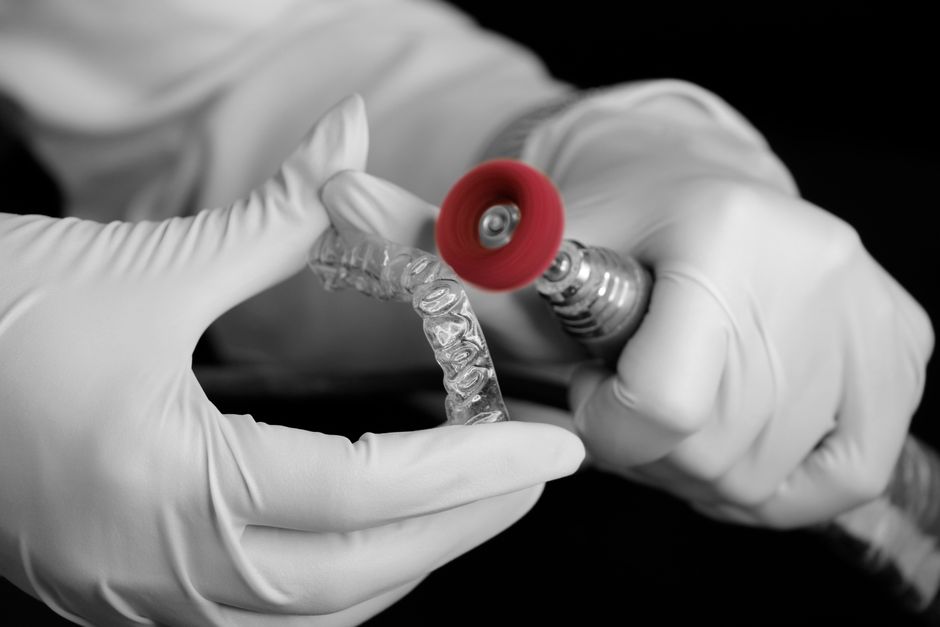
Cleaning a Hawley retainer at home comes down to two simple habits: rinse it every time you remove it and brush it gently once a day with a soft toothbrush and plain water or mild, fragrance-free soap. That daily routine removes plaque, prevents odor, and keeps the wire and acrylic from breaking down. Skip toothpaste, hot water, and harsh chemicals — these damage the retainer’s materials and can make it fit poorly.
What Is a Hawley Retainer and Why Does It Need Special Care?
A Hawley retainer is the classic orthodontic retainer with a molded acrylic base that sits against your palate or tongue side of your teeth, plus a metal wire that wraps across the front teeth. It is durable and adjustable, which is why orthodontists have used it for decades. But its two materials need different care than clear plastic retainers.
The acrylic is a form of plastic that can scratch, stain, and absorb odors. The metal wire can bend or corrode if exposed to harsh cleaners. Hot water warps the acrylic. Alcohol-based mouthwash dries it out and makes it brittle. Knowing this matters because a damaged retainer no longer holds your teeth in place.
How To Clean Hawley Retainers At Home: The Daily Routine
Start with a rinse. Every time you take the retainer out, hold it under cool or lukewarm running water. This removes loose food particles and saliva before they dry and harden.
Once a day, brush the retainer gently. Use a soft-bristled toothbrush that you do not use on your teeth. Plain water works well. If you want extra cleaning power, use a drop of mild liquid dish soap or fragrance-free hand soap. Work the brush over all surfaces of the acrylic and along the wire. Rinse thoroughly afterward so no soap residue remains.
This single daily brushing is the most important step. It removes the thin film of plaque that forms on the acrylic just like it forms on teeth. Left alone, that film hardens into calculus, which causes odor and creates a rough surface that traps even more bacteria.
What To Avoid When Cleaning a Hawley Retainer
Do not use toothpaste. Most toothpaste contains abrasive ingredients like silica that scratch acrylic. Scratches create tiny crevices where bacteria hide and make the retainer look cloudy. Some whitening toothpastes also contain chemicals that weaken the plastic.
Do not use hot water. Even warm-to-hot water can distort the acrylic shape. A warped retainer no longer fits correctly, and a poor fit means your teeth can shift. Rinse with cool or lukewarm water only.
Do not soak in mouthwash. Many mouthwashes contain alcohol or strong flavoring agents that can dry, crack, or discolor the acrylic over time.
Do not use bleach, hydrogen peroxide, or denture cleaners meant for other materials unless your orthodontist specifically approves. These can corrode the metal wire or damage the acrylic surface.



How To Remove Stains and Odor From a Hawley Retainer
Even with daily brushing, retainers can develop white calcium spots or a lingering smell. This usually means plaque has built up in areas the brush is not reaching. A deeper cleaning once a week can help.
A common approach is to soak the retainer in a solution of lukewarm water and a small amount of white vinegar. The mild acid helps break down mineral deposits. Rinse thoroughly afterward. Some people use a 50/50 mix of water and vinegar, but the evidence for exact ratios is not standardized. Start with a weaker mix and increase only if needed.
Another option is an effervescent denture tablet designed for acrylic. These tablets are widely available and generally considered safe for Hawley retainers when used as directed. Follow the package instructions for soaking time. Rinse the retainer well before putting it back in your mouth.
If stains do not come off with gentle soaking and brushing, do not scrape them off. Take the retainer to your orthodontist. They have professional cleaning tools that can remove buildup without damaging the acrylic.
How To Store a Hawley Retainer When You Are Not Wearing It
Keep the retainer in its case whenever it is not in your mouth. This is not just about losing it. A dry retainer left on a counter collects dust and bacteria. Pets have chewed many retainers left on nightstands.
Always store it in water or a retainer-soaking solution if your orthodontist recommends it. Some Hawley retainers can dry out and become brittle if left dry for long periods. If you are unsure whether yours needs to stay moist, ask your orthodontist. Do not assume — different acrylic formulas behave differently.
Never wrap the retainer in a paper towel or tissue. People throw these away without thinking, and the retainer goes with them. The case is the only safe storage spot.
How Often Should You Clean a Hawley Retainer?
Rinse it every time you remove it. Brush it once a day. Soak it weekly if you notice odor or buildup.
That routine is enough for most people. If you eat with the retainer in (which most orthodontists advise against), you will need to rinse and brush more often because food particles get trapped against the acrylic.
If you smoke or drink coffee, tea, or red wine, expect more discoloration. These substances stain acrylic just like they stain teeth. More frequent soaking may help, but some staining is cosmetic and does not affect how well the retainer works.
When To Replace or Repair a Hawley Retainer
Check your retainer regularly for cracks in the acrylic, sharp spots on the wire, or looseness. A crack can harbor bacteria and may eventually break completely. A bent wire no longer applies the right pressure to your teeth.
If you notice any of these problems, stop wearing the retainer and contact your orthodontist. Wearing a broken retainer can allow your teeth to shift in unintended ways. Do not try to bend the wire yourself. Orthodontists have specialized tools and know the exact shape your retainer should hold.
Most Hawley retainers last several years with proper care, but they do not last forever. Acrylic wears down and wire fatigues with normal use. Your orthodontist can tell you whether a repair or replacement is needed.
Is It Safe To Use Ultrasonic Cleaners on Hawley Retainers?
Ultrasonic cleaners use high-frequency sound waves to create tiny bubbles that lift debris off surfaces. Some people use them for retainers and dentures. The evidence on whether they are safe for Hawley retainers is limited.
The concern is that the vibration could loosen the wire where it is embedded in the acrylic. No large clinical studies have confirmed or ruled out this risk. If you want to try an ultrasonic cleaner, use it on the lowest setting with plain water and keep sessions short. If you notice the wire becoming loose, stop using it.
The safest approach remains manual brushing. It is proven, inexpensive, and does not risk damaging the retainer.
What About Cleaning Retainers With Baking Soda?
Baking soda is a mild abrasive, so some people use it to scrub away stains. It can work, but it carries the same risk as toothpaste — abrasion. Scrubbing with baking soda can create micro-scratches on the acrylic that make future staining worse.
If you choose to use baking soda, make a thin paste with water and brush very gently. Do not use it daily. Reserve it for occasional stain removal, and stop if you notice the acrylic looking dull or cloudy.
Frequently Asked Questions
Can I use toothpaste to clean my Hawley retainer?
No. Toothpaste is abrasive and will scratch the acrylic surface over time. Use a soft toothbrush with plain water or mild soap instead.
How long do Hawley retainers last?
With proper care, most Hawley retainers last several years. Daily cleaning and careful storage extend their lifespan, but acrylic and wire eventually wear out.
Is it safe to soak a Hawley retainer in mouthwash?
Most mouthwashes contain alcohol or other chemicals that can dry out and damage the acrylic. Use an approved denture tablet or a vinegar solution instead.
Can hot water ruin my Hawley retainer?
Yes. Hot water can warp the acrylic and change the shape of the retainer. Always use cool or lukewarm water.
