
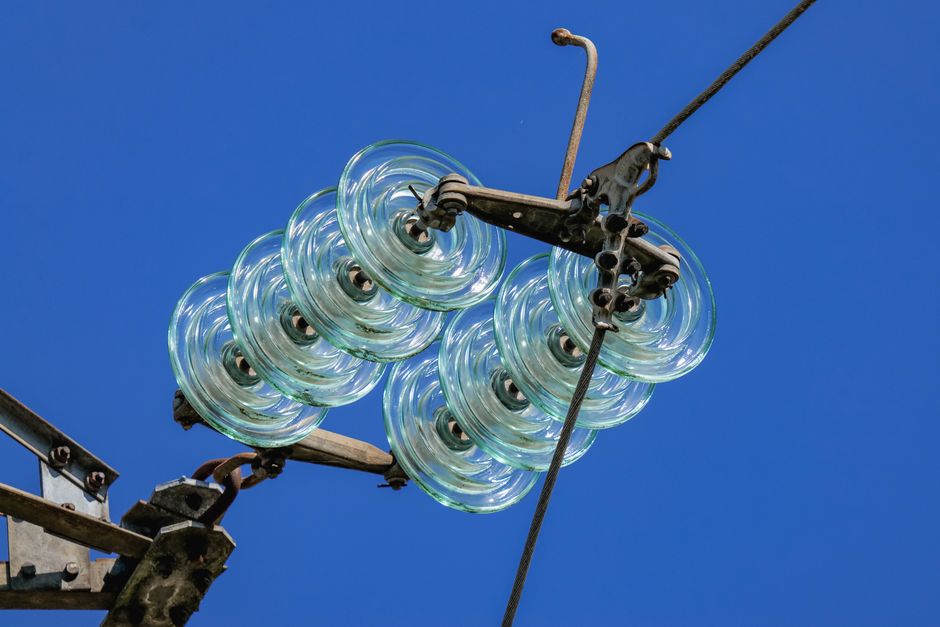
Cleaning soot and rust from a glass insulator means matching the method to the problem. Soot is a loose, acidic film that usually lifts off with a mild alkaline cleaner and warm water. Rust is iron oxide staining that has bonded to the glass surface, and it needs a different approach — an acid-based cleaner or a chelating agent that pulls the iron out of the surface. Scrubbing either one with an abrasive pad is the fastest way to permanently scratch the glass.
Glass insulators are prized by collectors and still used on some utility lines. The glass itself is durable, but the surface can be etched by harsh chemicals and dulled by abrasive tools. The metal hardware attached to the insulator — often a threaded pin or a ferrule — is usually where the rust originates.
Why Do Glass Insulators Get Soot and Rust on Them?
Soot and rust come from two completely different sources, and understanding that difference explains why one cleaning product will not fix both problems.
Soot is carbon residue. It settles on outdoor surfaces from vehicle exhaust, wood smoke, industrial emissions, and general air pollution. On a glass insulator, soot builds up as a thin, dark, greasy film. Because soot particles are acidic and slightly oily, they tend to cling to the glass rather than rinse away with rain. Insulators mounted near highways, factories, or fire-prone areas collect it faster.
Rust on a glass insulator almost never comes from the glass. Glass contains no iron. The rust comes from the metal hardware — the pin, the ferrule, or the wire tie — and from iron particles that land on the glass surface and oxidize there. Once iron oxide bonds to glass, it leaves a brown or orange stain that plain soap and water will not remove. This is the key distinction: soot sits on top of the glass, while rust staining works into the surface.
A third problem often gets confused with the other two. Glass disease, sometimes called sick glass, is a chemical breakdown of the glass itself caused by an unstable glass recipe. It appears as a cloudy, iridescent, or chalky surface that may flake. This is not dirt and cannot be cleaned off. Some early insulators, particularly certain batches from the early 1900s, are prone to it. If you see a permanent haze that does not respond to cleaning, you are likely looking at glass deterioration, not soot or rust.
How To Clean Glass Insulators With Soot and Rust More Effectively?
The most effective approach is to separate the two problems and treat each with the right chemistry. Trying to remove rust with a soap-based cleaner wastes effort, and trying to remove soot with an acid-based rust remover is unnecessary and can be harsh on the glass over time.
Step 1: Remove loose soot first
Rinse the insulator with warm water to remove loose dust and grit. Grit is the enemy here — if you scrub before rinsing, those particles act like sandpaper. A soft nylon brush works well for this stage. Do not use steel wool, wire brushes, or scouring pads.
Step 2: Lift the soot film
Soot responds to mild alkaline cleaners. A few drops of dish soap in warm water is usually enough. For heavier soot, a paste of baking soda and water can help. Apply it with a soft cloth or brush, let it sit briefly, then rinse. Avoid anything labeled as an abrasive cleanser — those contain fine particles that can dull glass over repeated use.
Step 3: Treat rust staining
Rust staining needs an acid or a chelating agent. Several options exist, and they vary in strength:
- White vinegar: A mild acid. Soaking the insulator in undiluted white vinegar for several hours can loosen light surface rust. It works slowly and is gentle on glass.
- Citric acid solution: A stronger, food-safe acid available as a powder. Dissolve it in warm water and soak the insulator. It is more effective than vinegar on moderate staining.
- Oxalic acid: A traditional rust and stain remover used for decades on glass and ceramics. It is effective but is a genuine chemical hazard and must be handled with gloves and ventilation. It is toxic if swallowed.
- Commercial rust removers: Products designed for glass and ceramic often contain chelating agents that bind iron. Follow the label exactly.
Soaking beats scrubbing every time. Give the chemistry time to work, then rinse. If a stain remains after a soak, repeat the soak rather than scrubbing harder.
Step 4: Rinse and dry completely
Residual cleaner can leave its own film or attract new dirt. Rinse thoroughly with clean water, then dry with a soft, lint-free cloth. Do not let the insulator air-dry if you have hard water — mineral spots can form.
What Should You Never Use on a Glass Insulator?
Abrasive tools cause damage that cannot be undone, and some chemicals can etch or cloud the glass permanently.
Skip steel wool, sandpaper, scouring pads, and wire brushes. Even fine steel wool leaves micro-scratches that dull the surface and give future dirt more places to cling. Skip household bleach on rust — it does not dissolve iron oxide and can react with other cleaners to produce dangerous fumes. Skip hydrofluoric acid entirely. It is sometimes mentioned in glass-cleaning discussions, and it is genuinely dangerous — it etches glass and causes severe chemical burns that can be life-threatening.
Also avoid the dishwasher. Heat and harsh detergents can cloud some glass over time, and the metal hardware on many insulators can corrode further.
Does Cleaning Actually Remove Rust Stains Completely?
Sometimes. It depends on how deep the staining has gone and how long it has been there.
Surface rust staining that sits on top of the glass usually lifts with an acid soak. Staining that has been present for years, especially if the glass surface has already been slightly etched by weathering, can become permanent. Iron oxide can bond into those microscopic pits and no cleaner will reach it.
This is an honest limitation, not a failure of method. Collectors generally accept that heavily weathered insulators will retain some staining. What cleaning can reliably do is stop the rust from continuing to spread and prevent further surface damage.
Should You Remove the Metal Hardware Before Cleaning?
Removing the pin or ferrule makes cleaning easier and lets you treat the rust at its source, but it is not always practical or safe.
On insulators that are already off a line and in a collection, the hardware can often be unscrewed or gently worked loose. On insulators still mounted on a pole, never attempt removal. The line may still be energized, and contact with an energized conductor is potentially fatal. Utility work requires trained lineworkers and proper equipment.
If you do separate the hardware, clean the metal parts separately with a rust remover appropriate for the metal type, and clean the glass on its own. Reassemble only after both are fully dry.
How Do You Prevent Soot and Rust From Coming Back?
Prevention is limited for outdoor insulators, but a few steps help.
Keeping the metal hardware dry and coated with a thin layer of appropriate protective product slows new rust formation. Reducing exposure to soot — which is not always possible for an insulator on a working line — is the main variable you cannot control outdoors. For display pieces kept indoors, dust regularly with a soft cloth and keep humidity low. Moisture is what drives rust, so a dry environment is the single most useful preventive measure for stored insulators.
A light application of a quality paste wax on the glass can make future soot easier to wipe away, though it does nothing for rust and should be used sparingly. Some collectors avoid wax entirely because residue can build up in the embossed lettering.
Is It Worth Cleaning a Damaged or Stained Insulator?
For collectors, cleaning is usually worth the effort because it reveals the true color and clarity of the glass, which affects both display value and, in some cases, market value. But cleaning cannot reverse physical damage.
Chips, cracks, and glass disease are permanent. Cleaning will not fix them, and aggressive cleaning can make them worse. If an insulator has active glass disease — the flaking, cloudy surface described earlier — cleaning may accelerate the deterioration. In that case, the better move is to stabilize it by storing it in a dry, stable environment and handling it as little as possible.
For insulators that are simply dirty, the reward is real. A careful soak and rinse can turn a dull, soot-covered piece back into clear, colorful glass.
Frequently Asked Questions
Can I use vinegar to remove rust from a glass insulator?
Yes, undiluted white vinegar can loosen light surface rust if you soak the insulator for several hours. It works slowly and will not remove deep or long-standing stains.
Will baking soda remove rust stains from glass?
No. Baking soda is a mild alkaline cleaner that works well on soot but does not dissolve iron oxide. Rust needs an acid or chelating agent instead.
Does cleaning a glass insulator reduce its value?
Gentle cleaning that removes dirt generally does not hurt value and can improve it by revealing the glass color. Abrasive scrubbing or harsh chemicals that scratch or etch the surface can reduce value permanently.
What is glass disease on insulators?
Glass disease is a chemical breakdown of the glass itself, appearing as a cloudy, chalky, or flaking surface that cannot be cleaned off. It is a permanent condition and is different from soot or rust staining.
