
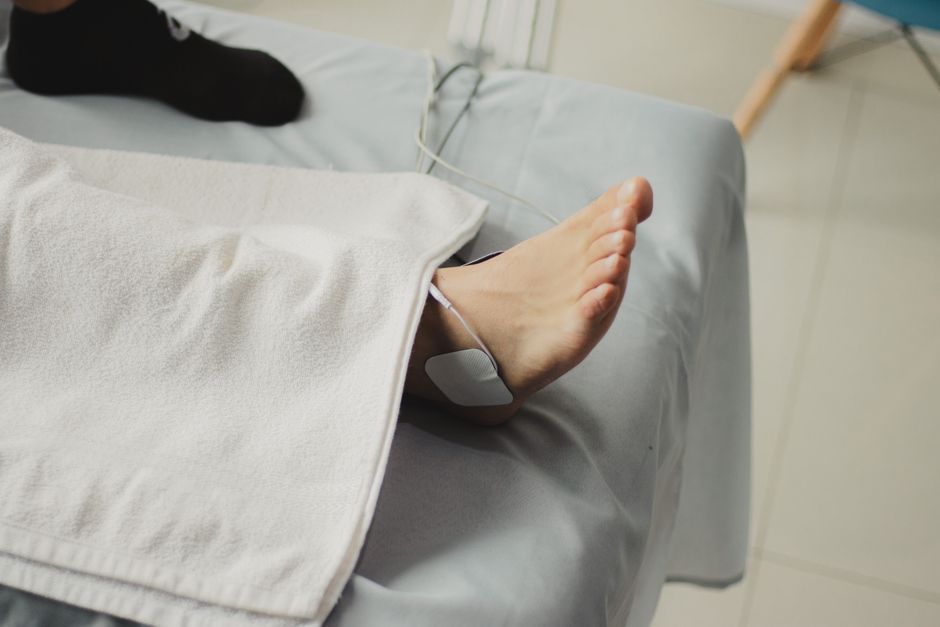
Electrode pads lose their stickiness because skin oils, sweat, and dead skin cells build up on the gel surface and clog it. To clean them, wipe the gel side gently with a damp cloth or a small amount of mild soap and water, then let them air dry completely before storing them on their original plastic backing. Replacing the protective liner after every use is the single biggest thing you can do to keep pads sticky longer.
That is the short answer. The longer answer depends on what kind of pads you have, because not all electrode pads are built the same way, and some cleaning methods that work for one type will ruin another.
What Are Electrode Pads Actually Made Of?
Most consumer electrode pads are a sandwich of three layers. There is a conductive gel on the bottom that touches your skin, a conductive carbon or metal film in the middle, and a flexible backing on top. The gel is what does the electrical work. It also happens to be the part that wears out first.
That gel layer is usually a hydrogel — a water-based polymer that stays tacky and conducts current. Hydrogels are designed to hold moisture. When that moisture evaporates, the gel dries out, hardens, and stops sticking. This is why a pad that sat unused on a shelf for a year can be unusable even if you never touched it.
There are also dry or reusable pads, sometimes sold for TENS and EMS devices, that use a different conductive material and are meant to be re-wetted rather than replaced. These behave differently and generally last longer, but they still need care.
The key point: you are not really “cleaning” a hydrogel pad in the way you clean a dish. You are removing surface contamination while trying not to strip the moisture and tack that make it work.
How To Clean Electrode Pads And Keep Them Sticky
The method matters more than the products. Here is what actually works for standard hydrogel pads.
- Wipe, do not scrub. Use a clean, lint-free cloth or paper towel lightly dampened with water. Gently wipe the gel surface to lift oils and debris. Scrubbing tears the gel and removes the tacky layer.
- Use mild soap sparingly. A tiny drop of plain, fragrance-free liquid soap in water is acceptable for stubborn residue. Rinse the cloth, not the pad. Never soak a pad in water.
- Skip alcohol and harsh cleaners. Rubbing alcohol, hand sanitizer, and household cleaners dry out hydrogels and can damage the conductive layer. They may feel like they clean, but they shorten the pad’s life.
- Air dry completely. Lay the pad gel-side up and let it dry fully before reusing. Trapped moisture between the pad and its liner encourages bacterial growth and weakens the adhesive.
- Reapply the liner. Press the pad back onto its original plastic film or a sheet of wax paper. This protects the gel from dust and air.
- Store cool and flat. Heat and direct sunlight degrade hydrogel. A drawer at room temperature is better than a hot car or a sunny windowsill.
One detail people miss: your skin preparation matters as much as the pad care. Oils and lotion on your skin transfer straight onto the gel. Clean, dry skin before applying a pad means the pad stays sticky longer. If you use lotion, apply it after your session, not before.
How Long Do Electrode Pads Last?
There is no universal lifespan, and any manufacturer claiming a fixed number is describing their product under ideal conditions. In general, reusable hydrogel pads are designed for a limited number of uses — often somewhere in the range of 10 to 30 applications — before the gel degrades enough to lose reliable adhesion and conduction.
That range is a general design expectation, not a guarantee. How you store them, how much you sweat, how oily your skin is, and how often you replace the liner all shift that number significantly.
Signs it is time to replace a pad, regardless of how many uses you have gotten:
- The pad no longer sticks on its own and needs tape or pressure to stay on.
- The gel looks dry, cracked, or shiny-hard rather than moist and tacky.
- You feel a sharp, prickly, or burning sensation instead of a smooth tingling.
- The edges curl up and lift off the skin.
That last point about sensation is worth pausing on. When a pad loses good contact with the skin, the current concentrates in a smaller area. That can cause discomfort and skin irritation. A pad that stings is not working better — it is working worse. Replace it.



Can You Revive Dried-Out Electrode Pads?
Sometimes, partially. If a hydrogel pad has only started to dry at the edges, a very light mist of water on the gel surface and a few minutes of rest can restore some tack temporarily. This is a short-term fix, not a restoration.
What does not work: soaking pads in water, microwaving them, freezing them, or coating them with gels, oils, or lotions. None of these restore the polymer structure once it has degraded, and some can damage the conductive layer or create a skin irritation risk.
Be skeptical of any viral tip promising to make pads “like new.” Hydrogel breakdown is a chemical change, not just a moisture problem. Once the polymer network has degraded, no home remedy rebuilds it.
Does Cleaning Work for All Types of Pads?
No. The advice above applies to standard reusable hydrogel pads. Other types need different handling.
- Single-use disposable pads — typically the ones with adhesive and gel meant for one session, often used with ECG or diagnostic equipment. These are not designed to be cleaned and reused. Reusing them compromises both adhesion and signal quality.
- Self-adhesive dry electrodes — some newer wearable devices use dry electrodes with no gel at all. These are usually wiped clean with a dry or slightly damp cloth and do not need the gel-preservation steps.
- Re-wettable reusable pads — some TENS and EMS pads are designed to be re-moistened with water before each use. Follow the manufacturer’s instructions, since the conductive material differs from hydrogel.
If you are not sure which type you have, check the packaging or the device manual. The manufacturer’s care instructions take priority over general advice, because they know what their gel is made of.
When Cleaning Is Not Enough
There is a limit to how much cleaning can do. Pads are a consumable. They are not meant to last forever, and no amount of careful wiping will bring back a pad whose gel has fully degraded.
If you are replacing pads frequently, the problem may not be your cleaning routine. It may be your storage, your skin prep, or the quality of the pads themselves. Cheap pads with thin gel layers wear out faster than thicker ones, and that is often the real difference between brands.
One more consideration: skin irritation. If you notice redness, itching, or a rash where the pad sits, stop using it and let your skin recover. Adhesive and gel sensitivities are real, and continuing to use a pad that irritates your skin is not worth the small savings of stretching its life.
Frequently Asked Questions
Can I use alcohol to clean electrode pads?
No. Alcohol dries out the hydrogel and can damage the conductive layer, which shortens the pad’s life. Use a damp cloth with water or a tiny amount of mild soap instead.
How do I make my electrode pads sticky again?
A light mist of water on the gel surface can temporarily restore tack if the pad has only started to dry out. Once the gel has fully hardened or cracked, no home method will bring it back and the pad should be replaced.
Should I put electrode pads back on the plastic film after use?
Yes. Returning the pad to its original liner or a sheet of wax paper protects the gel from air, dust, and moisture loss between uses. This is one of the most effective habits for extending pad life.
How many times can you reuse electrode pads?
There is no fixed number, but hydrogel pads are generally designed for a limited number of uses before the gel degrades. Replace them when they stop sticking on their own or cause a stinging sensation.
