
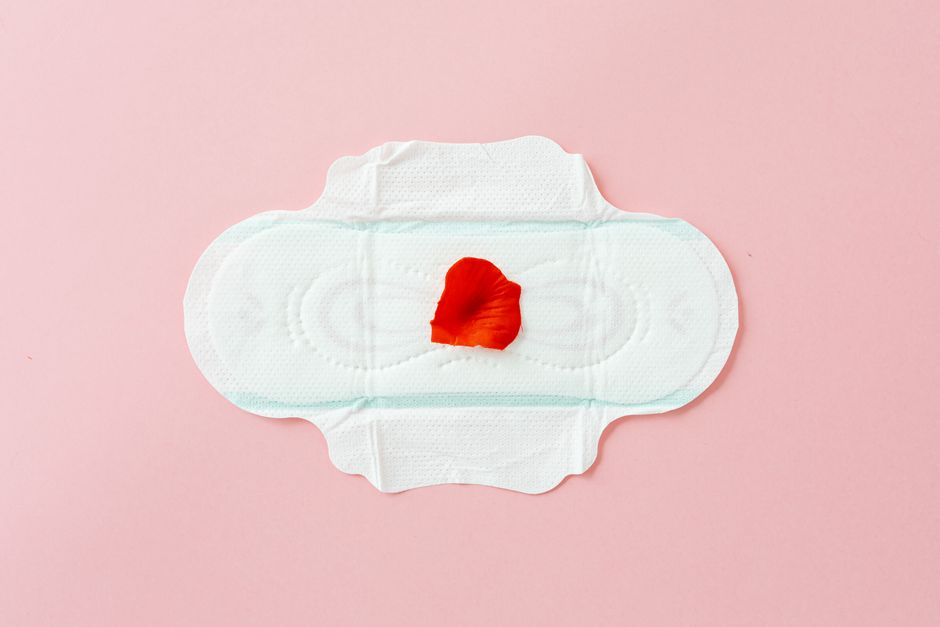
Vaginal discharge is normal. It is how the vagina keeps itself clean and healthy. Cleaning it safely means using plain warm water on the outside (the vulva), avoiding scented products and douching, and never trying to wash inside the vagina. If discharge changes color, smells strong, or comes with itching or pain, that is a reason to see a clinician, not to scrub harder.
Most people who feel “unclean” down there are actually healthy. The discharge they are trying to wash away is doing an important job. Understanding what normal discharge is — and what it is not — makes safe cleaning much easier to get right.
What Is Vaginal Discharge and Why Does It Happen?
Vaginal discharge is fluid made by glands in the cervix and vagina, mixed with cells and normal bacteria that shed from the vaginal lining. It carries dead cells and old bacteria out of the body. It also helps keep the vaginal environment balanced.
The vagina maintains an acidic pH, usually somewhere around 3.8 to 4.5 in reproductive-age women. That acidity comes largely from Lactobacillus bacteria, which produce lactic acid. This acidic environment makes it harder for harmful organisms to overgrow. Washing inside the vagina — or using harsh products on it — can disturb this balance.
Normal discharge changes throughout the menstrual cycle. It tends to be clear or milky white, and it may be thin and watery or thicker and sticky. Around ovulation it often becomes clearer, wetter, and stretchier. Before a period it may be thicker. This variation is expected.
Discharge also changes across life stages. It is usually minimal before puberty and after menopause, when estrogen levels drop. During pregnancy it often increases. None of these patterns are a sign of poor hygiene.
How To Clean Discharge Safely And What To Avoid
The safe approach is simple: clean the outside only, use plain water, and skip anything fragranced or medicated unless a clinician has told you to use it. The vagina cleans itself. Your job is to keep the surrounding skin comfortable and clean without disrupting the balance inside.
Here is what safe cleaning looks like in practice:
- Wash the vulva — the outer folds and surrounding skin — with plain warm water. Mild, unscented soap is acceptable for most people on the outer skin, but water alone is enough for many.
- Wipe from front to back after using the toilet. This reduces the chance of spreading bacteria from the rectum toward the vagina and urethra.
- Wear cotton underwear and change it daily. If you exercise or sweat heavily, change sooner.
- Change pads, panty liners, and tampons as directed. For tampons, follow the product instructions on how long to leave one in.
- Rinse and dry the outer area gently after swimming or sweating. Pat dry rather than rubbing.
- Avoid tight synthetic clothing for long stretches if you are prone to irritation.
What to avoid:
- Douching. It pushes fluid into the vagina and can disturb the bacterial balance and pH. Major health bodies, including the American College of Obstetricians and Gynecologists, advise against it. It has also been associated with a higher risk of pelvic inflammatory disease in some studies.
- Scented washes, sprays, wipes, and powders on the vulva or in underwear. Fragrance is a common cause of irritation and contact reactions on sensitive skin.
- Bubble baths and strongly scented bath products if you are prone to irritation.
- Scrubbing or using a washcloth vigorously inside the folds. Gentle cleansing is enough.
- Products marketed as “feminine hygiene” that promise to remove odor. Normal discharge does not need deodorizing, and masking a change in odor can delay finding a real problem.
One thing worth clarifying: a healthy vulva and vagina do not smell like flowers or perfume. They have a natural, mild scent. Products that promise to eliminate that scent are selling a problem that does not exist.
Is Douching Ever Safe?
No major medical organization recommends douching. The evidence consistently points to more risk than benefit. Douching can wash away protective Lactobacillus bacteria, raise the vaginal pH, and make it easier for harmful organisms to grow.
Research has linked douching to bacterial vaginosis and other vaginal infections. Some studies have also associated it with pelvic inflammatory disease. The direction of cause and effect is not always clear in every study — people who douche may differ in other ways — but there is no established health benefit that outweighs the concerns.
If you have been douching and want to stop, you can simply stop. Many people find that discharge and odor settle down once they do. If you have ongoing symptoms after stopping, see a clinician.
When Discharge Is a Sign to See a Clinician
Discharge that changes in a way that concerns you deserves a professional look rather than a stronger cleaning routine. Cleaning cannot fix an infection, and trying to wash symptoms away can irritate the skin and delay treatment.
Signs that warrant a visit include:
- Discharge that turns yellow, green, or gray
- A strong or unpleasant odor
- Itching, burning, or soreness around the vulva or vagina
- Pain during sex or when urinating
- Pelvic pain
- Bleeding between periods or after sex
- Discharge that suddenly increases or changes texture and does not settle
These symptoms can have several causes, including yeast infections, bacterial vaginosis, and sexually transmitted infections. They can look similar to each other. A clinician can tell them apart with testing, and treatment differs depending on the cause. Self-treating with over-the-counter products before you know the cause can make things worse or mask the problem.
Does Discharge Change With Age and Hormones?
Yes. Discharge is strongly influenced by estrogen. During the reproductive years, when estrogen is higher, discharge is usually more noticeable. After menopause, when estrogen falls, discharge typically decreases and the vaginal tissue can become drier and thinner.
That postmenopausal dryness can cause discomfort, and some people notice irritation or a burning feeling. This is a change in the tissue, not a hygiene problem, and cleaning harder will not help. If dryness or discomfort is bothering you, it is worth talking to a clinician about options.
During pregnancy, discharge often increases. That is expected. Any discharge that is itchy, smells strong, or is accompanied by pain should still be checked, because some infections during pregnancy need treatment.
Hormonal contraception can also change discharge patterns. So can the menstrual cycle itself, as described earlier. Tracking what is normal for you makes changes easier to spot.
Does Diet or Clothing Affect Discharge?
Clothing can affect comfort and moisture around the vulva. Tight, non-breathable fabrics trap heat and moisture, which can contribute to irritation. Loose cotton underwear and avoiding prolonged damp clothing — like a wet swimsuit — are reasonable, low-risk habits.
Diet is often blamed for discharge and odor, but the evidence here is limited. No large human trials confirm that specific foods reliably change vaginal discharge or odor in healthy people. Some people notice changes with certain foods, but this is individual and not well established. If you suspect a food is causing irritation, that is worth discussing with a clinician rather than assuming a cause.
The same caution applies to probiotic supplements marketed for vaginal health. Some studies suggest certain Lactobacillus strains may help in specific situations, but results vary and the evidence is not strong enough to recommend them as a general fix for discharge. The evidence is mixed.
Frequently Asked Questions
Can I use soap to clean vaginal discharge?
Plain warm water is enough for most people, and mild unscented soap on the outer skin is acceptable. Avoid scented or medicated soaps, and never put soap inside the vagina.
Is it normal to have discharge every day?
Yes. Daily discharge is normal for most people of reproductive age and varies with the menstrual cycle. A sudden change in color, odor, or texture is what warrants a check.
Does douching stop discharge?
No. Douching does not stop normal discharge and can disturb the vaginal balance, raising the risk of infections. No major medical organization recommends it.
Should I see a doctor for yellow or green discharge?
Yes. Yellow or green discharge, strong odor, itching, or pain are reasons to see a clinician, since these can point to an infection that needs specific treatment.
