
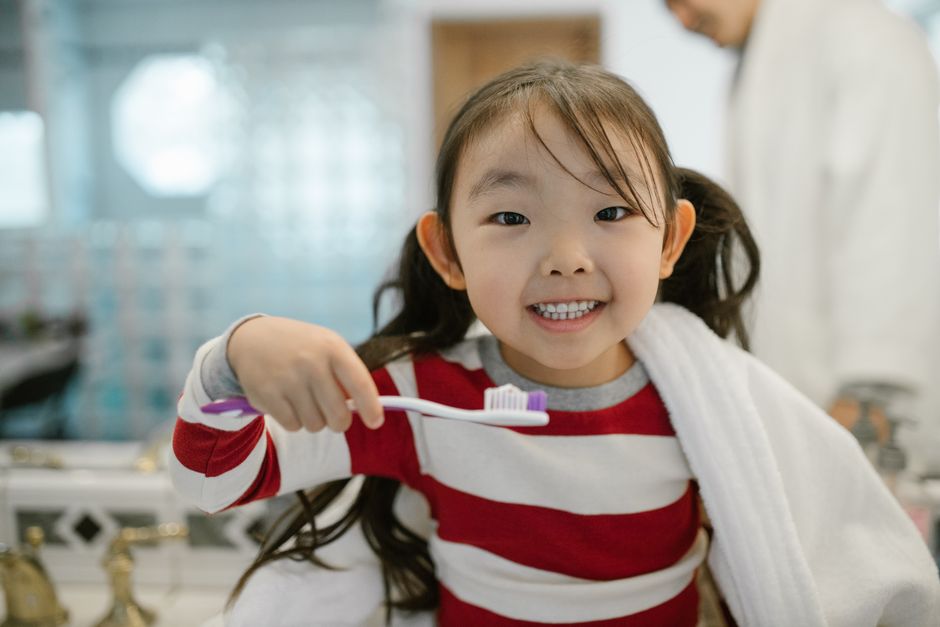
Cleaning a baby’s teeth takes about two minutes, twice a day, using a small soft-bristled brush and a rice-grain-sized smear of fluoride toothpaste. Start the day the first tooth appears, usually around 6 months. Wipe gums with a clean cloth before teeth arrive, brush gently along the gumline at a slight angle, and clean all surfaces of every tooth. Book a first dental visit by the first birthday. That is the whole routine in four sentences. The rest of this guide explains why each step matters and how to handle the parts parents find hardest.
When Should You Start Cleaning Your Baby’s Teeth?
Start before the first tooth shows up. Gums need cleaning from birth, and a daily wipe gets your baby used to having their mouth touched. That early habit makes the transition to a toothbrush much easier.
The American Dental Association recommends cleaning a baby’s gums after feeding with a soft, clean cloth. Once the first tooth breaks through — typically between 6 and 12 months — switch to a small toothbrush.
This timing is not arbitrary. Tooth decay in baby teeth can begin as soon as a tooth is exposed to sugars. The enamel on primary teeth is thinner than on adult teeth, so damage can progress faster. Early cleaning is genuinely preventive, not just a nice routine.
Two habits increase risk before the first tooth even appears. Putting a baby to bed with a bottle of milk, formula, or juice keeps sugar against the teeth for hours. So does letting a baby fall asleep while breastfeeding without cleaning the mouth afterward. Both are linked to what dentists call early childhood caries — severe decay in very young children.
What Supplies Do You Actually Need?
You need less than the baby aisle suggests. The essentials are a small soft toothbrush, a tiny amount of fluoride toothpaste, and something to wipe gums before teeth arrive.
- A baby toothbrush: Look for a small head with soft bristles sized for infants. Some parents prefer a finger brush early on, but a regular infant brush cleans better once teeth are present.
- Fluoride toothpaste: Use a smear the size of a grain of rice for children under 3. This is the standard recommendation from pediatric dental organizations in the US.
- A clean cloth: For wiping gums before teeth appear.
Skip training toothpaste that contains no fluoride. It cleans nothing extra and offers no cavity protection. The fluoride is the active ingredient that matters.
You do not need an electric toothbrush for a baby. A manual brush gives you more control over pressure and position. Electric brushes are fine once a child is older and can tolerate them, but they are not necessary.
How To Clean Baby Teeth Step By Step For Parents
Here is the full routine, in order. It works whether your baby has one tooth or ten.
Step 1: Wash your hands. Simple, but it prevents transferring germs to your baby’s mouth.
Step 2: Position your baby. The easiest position for most parents is sitting with the baby’s head resting in your lap, facing up. This gives you a clear view of every tooth and keeps both hands free. Older babies can sit on your lap facing away from you, with their head tipped back against your chest.
Step 3: Add toothpaste. Squeeze a rice-grain-sized smear onto the brush. For children under 3, this small amount is intentional — it delivers fluoride benefits while keeping swallowing risk low.
Step 4: Brush gently along the gumline. Hold the brush at a slight angle toward the gums. Use small circular motions. Pay attention to where the tooth meets the gum, because that is where plaque collects first.
Step 5: Clean every surface. Brush the front, back, and chewing surfaces of each tooth. Do not forget the back teeth, which are the most common site for decay.
Step 6: Brush the tongue. A quick gentle pass over the tongue helps remove bacteria and keeps breath fresh.
Step 7: Do not rinse. Have your baby spit if they can, but do not rinse with water. Leaving a thin film of fluoride on the teeth gives it more time to protect enamel. This is a small detail many parents miss.
Step 8: Repeat twice a day. Brush once in the morning and once right before bed. The bedtime brush is the most important, because saliva flow drops during sleep and leaves teeth more vulnerable overnight.
Expect resistance. Most babies and toddlers protest at some point. Staying calm and consistent matters more than a perfect brush. A partly brushed mouth done daily beats a thorough brush done occasionally.
How Much Fluoride Toothpaste Is Safe For A Baby?
A rice-grain-sized smear of fluoride toothpaste is the standard amount for children under 3. It is small on purpose — enough to protect teeth, little enough that swallowing it regularly is not a concern.
Fluoride toothpaste prevents cavities. That is one of the best-supported findings in dentistry, confirmed across decades of research. The concern some parents raise is fluorosis, a cosmetic change in developing permanent teeth that can occur with excessive fluoride intake during early childhood. The rice-grain amount is designed to keep that risk very low.
Once a child turns 3, the recommended amount increases to a pea-sized smear. That guidance comes from pediatric dental organizations and applies to children who can spit reasonably well.
If your water supply is fluoridated, that does not mean you should skip fluoride toothpaste. The two work together. Water fluoridation reduces cavities across a population, and toothpaste adds direct topical protection where it counts.
If you are unsure about your local water fluoride level, your water utility publishes an annual report. Your dentist can also advise based on your child’s individual cavity risk.
What About Flossing And Cleaning Between Teeth?
Floss once two teeth touch. Before that, there is no gap to clean. Most babies do not need flossing, but some develop tight contacts between back teeth early.
When the time comes, use a flosser pick or a small piece of floss and clean gently between the touching teeth once a day. Ask your dentist whether your child’s teeth have closed contacts yet.
Do not force floss between teeth that do not touch. It irritates gums and does nothing useful.
When Should A Baby First See A Dentist?
By the first birthday, or within six months of the first tooth appearing — whichever comes first. This is the recommendation from the American Academy of Pediatric Dentistry and the American Dental Association.
The first visit is usually short and mostly educational. The dentist checks tooth development, reviews cleaning technique, and assesses cavity risk. Early visits also help children get comfortable with dental settings before they need treatment.
Some parents wait until all baby teeth are in. That delay can miss early decay, which often develops silently. Baby teeth matter — they hold space for adult teeth, support speech, and affect chewing and nutrition. Losing them early to decay can cause problems that follow a child for years.
Common Mistakes Parents Make
Most cleaning problems come down to a few recurring habits. None of them make you a bad parent. They are just easy to fix.
- Using too much toothpaste. A pea-sized amount is for children over 3, not babies. For under 3, keep it to a rice-grain smear.
- Skipping the bedtime brush. Overnight is when teeth are most vulnerable. Do not let a tired evening become a skipped brush.
- Rinsing after brushing. Rinsing washes away the fluoride you just applied. Spit, do not rinse.
- Letting a baby sleep with a bottle. Milk or juice pooling around teeth overnight is a leading cause of early childhood cavities.
- Waiting for more teeth before starting. Clean the first tooth the day it appears.
- Sharing spoons or cleaning a pacifier with your mouth. Cavity-causing bacteria can pass from caregiver to baby through saliva. This is one route of transmission, though not the only one.
What If My Baby Fights The Toothbrush?
Resistance is normal and usually temporary. Babies and toddlers dislike having their mouth handled, especially by someone else. The goal is to make it routine, not to win every battle.
A few approaches that help:
- Let your baby hold a second toothbrush while you brush with the first.
- Brush at a consistent time so it becomes part of the daily rhythm.
- Sing or count during brushing to make it predictable.
- Try a different position if the current one is uncomfortable.
- Model brushing your own teeth in front of your baby.
If your baby clamps their mouth shut, try brushing from behind while they sit on your lap. If they bite down on the brush, wait a moment and try again. Never force the brush — it builds negative associations and can injure gums.
If resistance continues past toddlerhood or your child seems to have mouth pain, mention it at a dental visit. Sometimes discomfort from teething or a sore is the real cause.
Frequently Asked Questions
How often should I clean my baby’s teeth?
Twice a day, once in the morning and once before bed. The bedtime brush matters most because saliva flow drops during sleep.
Can I use fluoride toothpaste on a baby?
Yes, in a rice-grain-sized smear for children under 3. This amount is recommended by pediatric dental organizations and keeps swallowing risk low.
Do I need to clean my baby’s gums before teeth appear?
Yes. Wipe the gums with a clean, soft cloth after feeding from birth. This removes milk residue and gets your baby used to mouth cleaning.
When should my baby first see a dentist?
By the first birthday, or within six months of the first tooth appearing. Early visits focus on prevention and building comfort with dental care.
