
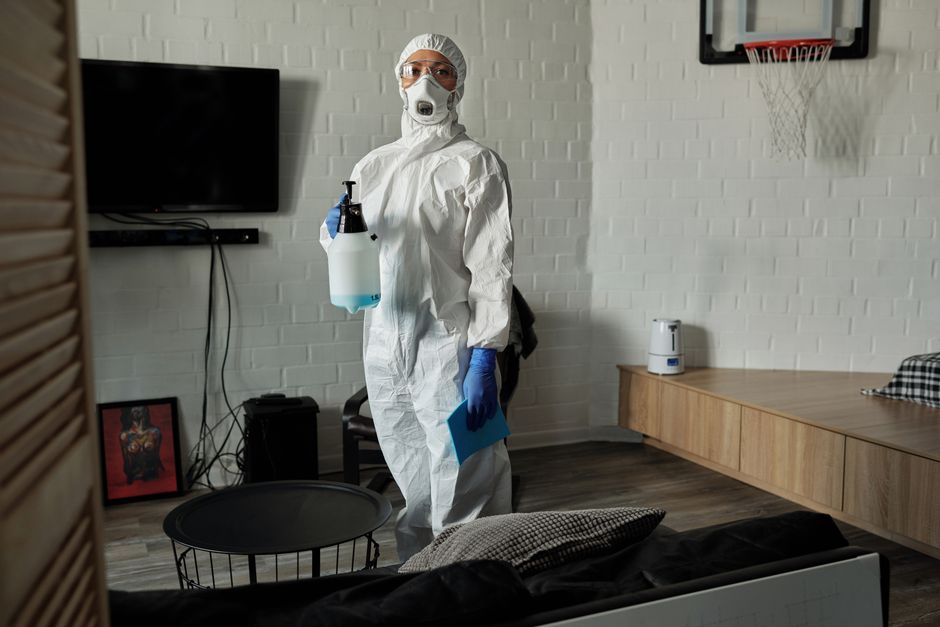
The flu virus is fragile outside the human body. It breaks down fairly quickly on most surfaces, and regular soap and water removes it effectively. The steps that matter most are washing your hands often, cleaning high-touch surfaces with soap or detergent, and disinfecting those surfaces when someone in the house is sick or was recently sick.
You do not need to fog every room or scrub the whole house. Focus on the surfaces hands touch, the items that go near the face, and the fabrics that hold respiratory droplets. Most of the work takes a modest amount of time and ordinary household products.
How long does the flu virus survive on surfaces?
Influenza viruses survive on hard surfaces for a limited time, and their ability to infect drops steadily as they dry out. On non-porous surfaces like stainless steel, plastic, and glass, infectious virus can sometimes be recovered for up to about 24 to 48 hours under experimental conditions. On porous surfaces such as paper, cloth, and tissues, that window is shorter.
These laboratory numbers deserve context. They describe virus that can still be detected and grown in a lab, not necessarily virus in a dose that would make a real person sick. In everyday life, the bigger risk is being close to a person who is coughing or sneezing, not touching a countertop hours later.
Flu spreads mainly through respiratory droplets when an infected person coughs, sneezes, or talks near someone else. Touching a contaminated surface and then touching your eyes, nose, or mouth is a secondary route. That secondary route is exactly what cleaning and disinfecting addresses.
What is the difference between cleaning and disinfecting?
Cleaning removes germs, dirt, and organic material from a surface. Disinfecting kills germs on a surface after it has been cleaned. They are not the same job, and the order matters.
Dirt, grease, and body oils can shield germs and stop a disinfectant from working properly. That is why cleaning first and disinfecting second gives you the best result. On a visibly dirty surface, skipping the cleaning step can leave the disinfectant less effective.
For the flu specifically, plain soap or detergent and water does more than people expect. The flu virus is wrapped in a fatty outer layer, and soap breaks that layer apart. Washing a surface with soap and water physically removes the virus and damages it at the same time.
How to clean and disinfect your home after the flu
Start with the surfaces that hands touch constantly. These carry the most traffic and the most opportunity for the virus to move from a surface to a face.
- Doorknobs and handles, including cabinet and appliance handles
- Light switches and thermostat dials
- Countertops, tables, and desks
- Faucets, toilet handles, and bathroom surfaces
- Phones, tablets, keyboards, and remote controls
- Stair rails and shared chair arms
Wash each surface with soap and water or a household detergent, then apply a disinfectant. Let the disinfectant stay wet on the surface for the contact time listed on the label. This step is easy to rush and easy to get wrong. Many products need the surface to remain visibly wet for several minutes to work as intended.
For electronics, check the manufacturer’s guidance first. Many screens and devices tolerate only gentle wiping with a slightly damp cloth or an alcohol-based wipe, and harsh liquids can damage them.
Which disinfectants actually work against flu?
Products labeled as disinfectants and registered with the Environmental Protection Agency are tested against specific germs. Look for a claim on the label that the product kills influenza virus, or check the EPA’s list of registered disinfectants for the strain in question. Following the label is the most reliable path.
Common options that are effective when used correctly include:
- Diluted household bleach, mixed fresh according to the label and never combined with other cleaners
- Alcohol-based products with a sufficient alcohol concentration, used on surfaces that tolerate them
- EPA-registered disinfecting wipes and sprays, used for the full contact time
Bleach deserves a specific warning. Never mix bleach with ammonia or with vinegar, because the combination releases dangerous gases. Mix only what you will use right away, since diluted bleach loses strength over time.
Some people reach for “natural” sprays like vinegar or essential oils. Vinegar is a decent cleaner for some surfaces, but it is not a reliable disinfectant against the flu virus. No strong evidence supports essential oil sprays as effective influenza disinfectants on household surfaces.
What about bedding, towels, and clothing?
Wash bedding, towels, and clothing used by the sick person on a normal warm wash cycle with regular laundry detergent. Hot water is helpful but not essential if the fabric cannot take high heat. Dry items completely in a dryer or by air.
Handle dirty laundry carefully. Do not shake it out, which can send virus into the air. Wash your hands after handling it, and keep the sick person’s laundry separate from other items when practical.
Pillows and mattresses are harder to clean. Wipe washable covers and let them dry fully. For items that cannot be washed, fresh air and time reduce infectious virus, but there is no reliable way to guarantee a soft furnishing is virus-free. In most homes this is not a practical concern once the person has recovered.
Do you need to disinfect the whole house?
No. Cleaning the whole house is not necessary after the flu. Focus on high-touch surfaces, shared items, and the sick person’s immediate space. The rest of the home can be cleaned on its normal schedule.
Air and ventilation matter more than many people realize. Opening windows and improving airflow helps clear respiratory droplets from the air. This is a low-effort step that supports the cleaning work rather than replacing it.
The person who was sick should also replace their toothbrush once they recover. Toothbrushes can harbor germs, and a fresh one is a simple precaution. Wash your hands after handling the sick person’s items, and keep separate towels and cups while they are ill.
When can you stop cleaning and return to normal?
You can return to a normal cleaning routine once the sick person has recovered and their symptoms have largely resolved. There is no single official rule for how many days to keep disinfecting, so use the person’s recovery as your guide.
People with the flu are generally considered most contagious in the first few days of illness. Cleaning thoroughly during that period and again after recovery covers the main window. If someone in the household is at higher risk, such as an older adult or a person with a chronic condition, being a little more thorough is reasonable.
The most important habit is not the deep clean. It is handwashing. Washing hands with soap and water for about 20 seconds, especially before eating and after using the bathroom, remains the single most effective everyday step for reducing spread of respiratory viruses.
Frequently Asked Questions
How long does the flu virus live on surfaces?
Infectious influenza virus can sometimes be recovered from hard surfaces for up to about 24 to 48 hours in laboratory studies, and for less time on porous materials. The real-world risk from a surface drops as the virus dries out.
Does vinegar kill the flu virus?
Vinegar is not a reliable disinfectant against influenza. Use an EPA-registered disinfectant or diluted bleach instead, and follow the label’s contact time.
Do I need to wash bedding after the flu?
Yes. Wash bedding, towels, and clothing used by the sick person on a normal warm cycle with regular detergent and dry completely. Avoid shaking laundry, which can spread virus into the air.
How long should I keep disinfecting after someone has the flu?
Disinfect high-touch surfaces while the person is ill and do a final clean once they have recovered. There is no fixed number of days, so use their recovery as the guide.
