
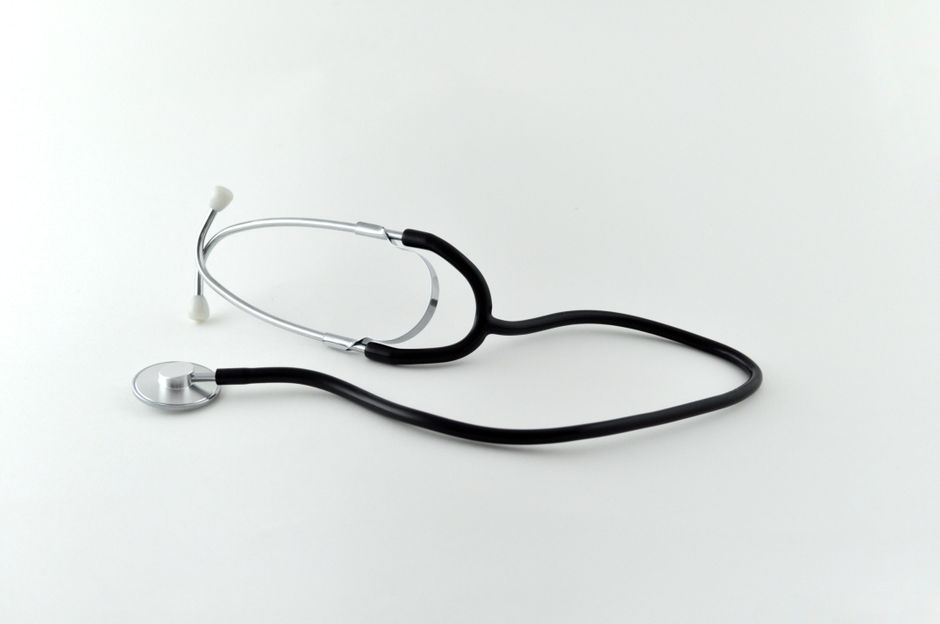
Cleaning a stethoscope safely comes down to three things: the right wipe, the right contact time, and keeping liquid out of the parts that carry sound. Alcohol-based wipes are the standard choice for the tubing and the metal chest piece. The earpieces and the small gap where the tube meets the chest piece need a gentler touch, because soaking them can trap moisture and shorten the life of the instrument. Most damage comes from soaking, dripping, or scrubbing hard, not from cleaning itself.
A stethoscope touches skin, clothing, and sometimes wounds dozens of times a day. It is also one of the most commonly missed items during hand hygiene and equipment cleaning in clinical settings. Whether you use one at work or keep one at home, a short routine keeps it working and keeps it from carrying germs from one person to the next.
How To Clean A Stethoscope Without Damaging It
The safe method is a wipe-down, not a wash. You clean the surfaces with a disinfectant wipe or a cloth dampened with isopropyl alcohol, then let the instrument air dry. You do not submerge any part of it.
Work in this order:
- Chest piece (the metal disc): Wipe both sides, including the rim. This is the part that touches skin most directly, so it gets the most attention.
- Tubing: Wipe along the length with a fresh wipe. Do not stretch or bend the tube sharply while cleaning.
- Earpieces and headset: Wipe the eartips and the metal headset. If your eartips are removable, check the maker’s instructions before cleaning them, since some soft tips are not meant for alcohol.
- Diaphragm and bell: Wipe the flat surfaces and let them dry fully before use.
Let the stethoscope air dry after wiping. Alcohol needs contact time to work as a disinfectant, and the surface also needs to be dry before it touches a patient’s skin. A wet chest piece is uncomfortable and can leave residue.
A common mistake is wiping the chest piece but skipping the tubing. The tubing is handled constantly and picks up germs from hands, so it deserves the same wipe as the metal.
What Should You Use to Clean a Stethoscope?
Isopropyl alcohol wipes are the most widely used option, and they are effective against many common germs on hard surfaces. Many stethoscope makers state that alcohol wipes are acceptable for their tubing. Check your specific model’s instructions, because tubing materials vary.
What the evidence supports:
- Alcohol wipes (around 70% isopropyl): Widely used and generally compatible with metal and most tubing. This is the default choice.
- Hospital-grade disinfectant wipes: Common in clinical settings. Follow the maker’s contact time and check tubing compatibility.
- Soap and water on a damp cloth: Removes visible dirt and some germs. It is a reasonable option for a home stethoscope when alcohol is not available, but it is not a disinfectant in the same sense.
What to avoid:
- Soaking or submerging any part. Water and cleaner can get inside the tubing and the chest piece assembly and cause problems that are hard to fix.
- Bleach and harsh solvents. These can dry out, crack, or discolor the tubing. Unless the maker specifically allows them, leave them out.
- Abrasive scrubbing. Rough pads can scratch the chest piece and wear the tubing surface.
- Very hot water. Heat can warp or degrade the tubing and eartips.
There is a useful distinction here that many people miss. Cleaning removes visible dirt and some germs. Disinfecting kills germs on a surface. An alcohol wipe does both to a degree, but only if you give it enough contact time and let it dry. A quick swipe that is wiped off immediately does less than a wipe that is left to air dry.
How Often Should You Clean a Stethoscope?
In clinical settings, the general practice is to clean the stethoscope between patients, and to clean it more thoroughly at the end of a shift. Some infection-control guidance recommends cleaning shared equipment between uses. The exact frequency depends on your workplace policy, which you should follow.
For a home stethoscope, there is no single official schedule. A practical approach:
- Wipe it after any use where it touched bare skin or a person who was sick.
- Wipe it before and after using it on someone else.
- Give it a fuller clean every week or two if it is used regularly.
If the stethoscope is visibly dirty, clean it right away rather than waiting for a scheduled time. Visible soil is a sign that germs are present.
Can You Damage a Stethoscope by Cleaning It Too Much?
Repeated cleaning can wear on the instrument over time, but the bigger risk is the method, not the frequency. Alcohol can dry out some tubing materials with heavy, repeated use. That is one reason to check the maker’s guidance and to avoid drenching the tube.
The most common damage comes from:
- Liquid getting into the tube: Moisture inside the tubing can affect sound quality and is hard to remove.
- Cracks at the connection points: The joint between the tubing and the chest piece is a weak spot. Bending or pulling there while cleaning can loosen or crack it.
- Eartip breakdown: Soft eartips can harden or split with repeated exposure to alcohol. Replace them when they stiffen or crack.
If you notice a crack, a loose connection, or a change in sound, the stethoscope may need repair or replacement. Cleaning will not fix a damaged seal, and a poor seal affects what you hear.
Does Cleaning a Stethoscope Actually Reduce Germ Spread?
Stethoscopes can carry bacteria and other germs on their surfaces, and studies have found that they are often contaminated. Whether cleaning them reduces infections in patients is a harder question. The evidence that clean equipment lowers infection rates is strongest for hand hygiene and for certain high-touch items, and it is less direct for stethoscopes specifically.
That said, the logic is sound and the practice is widely recommended. A contaminated surface that touches skin is a plausible route for germs to move between people. Cleaning between uses is a low-cost step that fits with standard infection-control practice. The honest position is that cleaning is sensible and recommended, even though the direct proof that it prevents infections is limited.
How Do You Store a Stethoscope to Keep It Clean?
Where you put the stethoscope between uses matters as much as how you clean it. Store it somewhere clean and dry, away from damp areas and away from surfaces that are likely to be contaminated.
- Keep it out of a hot car or direct sun, which can degrade the tubing.
- Avoid wrapping the tubing tightly around the chest piece for long periods, as this can kink or stress it.
- Let it dry fully after cleaning before storing it.
- Keep it away from other people’s personal items and from the floor.
For a home stethoscope, a clean drawer or a dedicated spot works well. For a clinical stethoscope, follow your workplace storage policy.
The Bottom Line
Clean your stethoscope with an alcohol wipe or a hospital-grade disinfectant wipe, working over the chest piece, tubing, and earpieces. Let it air dry. Never soak it. Avoid bleach, harsh solvents, abrasives, and very hot water. Check the maker’s instructions for your specific model, especially for the eartips and tubing. Wipe between uses if it touches skin or another person, and do a fuller clean regularly. The method matters more than the frequency, and a simple wipe done consistently is better than an occasional deep clean that risks damage.
Frequently Asked Questions
Can I clean my stethoscope with alcohol wipes?
Yes, alcohol wipes are widely used and generally compatible with metal parts and most tubing. Check your maker’s instructions first, since some eartips and tubing materials are not meant for repeated alcohol exposure.
Can I wash my stethoscope with soap and water?
You can wipe it with a cloth dampened with mild soap and water to remove visible dirt. Do not soak or submerge it, and use an alcohol wipe afterward if you want to disinfect the surface.
How often should I clean my stethoscope at home?
Wipe it after any use that touched bare skin or a person who was sick, and before and after using it on someone else. There is no single official home schedule, so a weekly or biweekly fuller clean is a reasonable routine.
Can cleaning damage my stethoscope?
Cleaning itself is safe when done by wiping and air drying. Damage usually comes from soaking, harsh chemicals, abrasive scrubbing, or bending the tubing at the connection points.
