
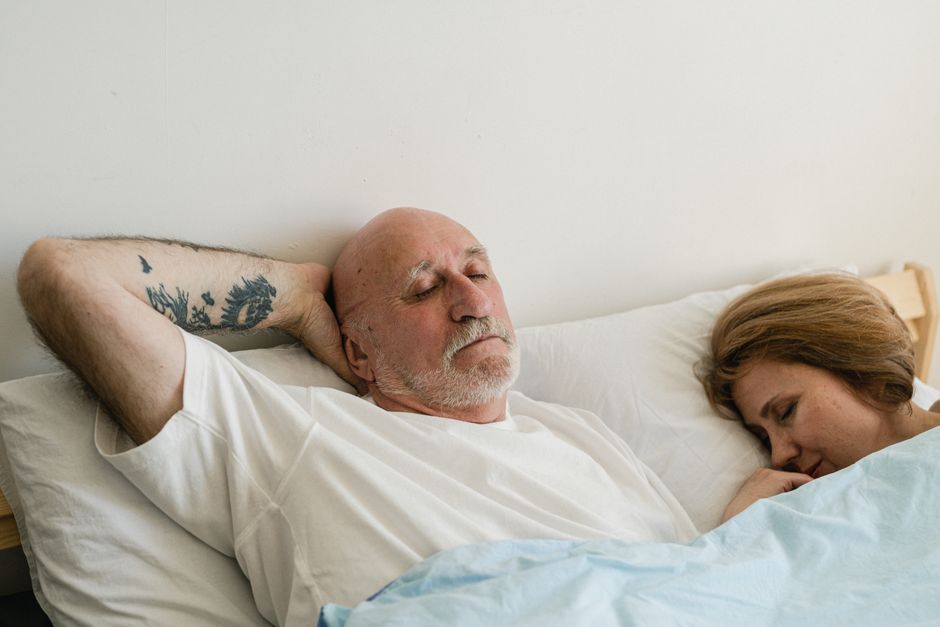
Choosing a sleep apnea mouthpiece comes down to four things: whether your sleep apnea has been properly diagnosed, whether a dentist trained in sleep medicine has examined your teeth and jaw, how the device is fitted and adjusted, and whether you have a plan to measure whether it actually works. A mouthpiece — also called an oral appliance or mandibular advancement device — is a real treatment for some people with obstructive sleep apnea, but it is not a universal fix and it is not something to order online and forget about.
The single most common mistake is buying a device before getting a diagnosis. A mouthpiece can reduce snoring while leaving dangerous drops in oxygen untreated. The device that quiets the room is not necessarily the device that protects your heart and brain.
What Is a Sleep Apnea Mouthpiece and How Does It Work?
An oral appliance is a custom-made device that fits over your teeth and holds your lower jaw slightly forward. This is called mandibular advancement. Moving the jaw forward pulls the tongue and soft tissues of the throat forward too, which widens the airway behind the tongue and soft palate.
That mechanism is well established. The airway collapse in obstructive sleep apnea most often happens because the tongue and soft tissues fall backward and block the passage during sleep. By repositioning the jaw, the device reduces that collapse in many people.
There are two broad categories. Mandibular advancement devices move the jaw forward and are the type used for sleep apnea. Tongue-retaining devices hold the tongue forward with a small suction bulb and are used less often. Most clinical guidance centers on mandibular advancement devices because they have more supporting evidence.
One clarification worth making: a mouthpiece is not a cure. It is a treatment you wear each night. Stop wearing it and the airway returns to its previous behavior.
Is a Mouthpiece Right for You? The Diagnosis Comes First
You cannot choose a device intelligently until you know whether you have sleep apnea and how severe it is. That requires a sleep study — either an overnight lab study or a home sleep apnea test ordered by a clinician.
Obstructive sleep apnea is diagnosed and graded by the apnea-hypopnea index, or AHI, which counts breathing pauses and near-pauses per hour of sleep. A common clinical threshold defines mild as 5 to 15 events per hour, moderate as 15 to 30, and severe as more than 30. These cutoffs are standard in sleep medicine, though different guidelines apply them slightly differently.
Oral appliances are generally considered a reasonable option for mild to moderate obstructive sleep apnea. For severe cases, CPAP (continuous positive airway pressure) is usually the first-line treatment because it is more consistently effective at controlling breathing events. Oral appliances are sometimes used in severe cases when CPAP is not tolerated, but that decision belongs with a sleep physician.
Some situations make a mouthpiece a poor fit:
- You have few or no natural teeth to anchor the device.
- You have active gum disease or significant tooth decay that needs treatment first.
- You have temporomandibular joint (TMJ) disorders or jaw pain that could worsen with the jaw held forward.
- You have central sleep apnea, where breathing pauses come from the brain’s signaling rather than a blocked airway. Oral appliances do not address that mechanism.
If any of these apply, raise them with your clinician before pursuing a device.
How To Choose The Best Sleep Apnea Mouthpiece: What Actually Matters
The best device is the one made for your mouth by someone qualified to fit it, adjusted until it works, and checked afterward. That is the honest standard. Custom fit and proper follow-up matter more than brand or features.
Custom versus over-the-counter devices
Custom devices are made from impressions or digital scans of your teeth and are adjusted by a dental professional. Over-the-counter devices — including boil-and-bite types and online “one-size” appliances — are cheaper and easier to get, but the evidence that they reliably treat sleep apnea is limited. They may reduce snoring. That is not the same as treating apnea.
If you want to treat diagnosed sleep apnea, a custom device fitted by a dentist trained in dental sleep medicine is the standard approach. A general dentist can make a referral if they do not provide this service.
Adjustability and titration
Good devices allow the amount of jaw advancement to be adjusted over time. This matters because the right position is found by trial — starting conservative and advancing gradually while monitoring symptoms and comfort. A device with no adjustment capability limits that process.
Comfort and side effects
Expect an adjustment period. Common early side effects include excessive saliva, dry mouth, tooth soreness, and jaw stiffness in the morning. Many people adapt within days to weeks. Some side effects — particularly bite changes — can persist with long-term use.
Long-term wear can shift tooth position and change how your teeth fit together. This is a recognized effect of oral appliance therapy, which is one reason regular dental checkups matter. Ask your dentist how they monitor for it.
Cost and insurance
Custom oral appliances typically cost considerably more than over-the-counter options, and insurance coverage varies widely. Some medical insurance plans cover oral appliances for diagnosed sleep apnea; dental plans usually do not. Confirm coverage before committing.


Does a Mouthpiece Actually Work? What the Evidence Shows
For mild to moderate obstructive sleep apnea, research consistently shows that custom mandibular advancement devices reduce the number of breathing events per hour compared with no treatment. They also improve daytime sleepiness in many people. This is a well-supported finding.
What the evidence does not show is that oral appliances match CPAP for controlling breathing events, particularly in severe apnea. CPAP remains more effective at lowering AHI across the board. The trade-off is adherence — many people find CPAP hard to wear all night, and a device you actually use every night can outperform a more effective treatment you abandon.
That is the real comparison. Effectiveness in a lab and effectiveness in your bedroom are different things. Your clinician’s job is to weigh both.
What has not been established is whether oral appliances produce the same long-term cardiovascular benefits as CPAP. That research is less complete. Do not assume that because a device lowers your AHI, it delivers every health benefit associated with treating sleep apnea.
How Do You Know If Your Mouthpiece Is Working?
You measure it. Symptom improvement alone is not proof. Some people feel better while still having significant breathing events.
The standard approach is a follow-up sleep study — or a review of device data where available — after you have adjusted to the device, to confirm that your AHI has dropped to an acceptable level. Your sleep clinician decides what target is appropriate for you. If the device is not controlling your apnea, the plan should change.
Practical signs to track along the way:
- Whether snoring has stopped or reduced, as observed by a bed partner.
- Whether daytime sleepiness has improved.
- Whether morning headaches or dry mouth have eased.
- Whether you are actually wearing it all night, every night.
Report jaw pain, bite changes, or tooth discomfort to your dentist promptly rather than waiting for your next scheduled visit.
What Are the Risks and Limitations?
Oral appliance therapy is generally considered low-risk when properly fitted and monitored, but “low-risk” is not “no risk.” The main concerns are tooth movement, bite changes, jaw joint discomfort, and gum irritation. These are usually manageable but should be monitored.
The bigger limitation is undertreatment. A device that is not adjusted correctly, not worn consistently, or not checked with a follow-up study can leave sleep apnea inadequately controlled. Untreated obstructive sleep apnea is associated with high blood pressure, cardiovascular problems, and daytime accidents from sleepiness. That is why follow-up matters as much as the device itself.
If you snore loudly, wake unrefreshed, or have been told you stop breathing in your sleep, the first step is a conversation with a clinician and a sleep evaluation — not a purchase.
Frequently Asked Questions
Can I buy a sleep apnea mouthpiece without a diagnosis?
You can buy over-the-counter devices, but they are not a substitute for diagnosis and treatment of sleep apnea. A device that reduces snoring can mask untreated apnea, so get a sleep evaluation first.
Is a mouthpiece as good as CPAP for sleep apnea?
For mild to moderate obstructive sleep apnea, custom oral appliances reduce breathing events and improve sleepiness in many people. CPAP is generally more effective at controlling breathing events, especially in severe cases.
How long does it take to get used to a sleep apnea mouthpiece?
Many people adapt within days to a few weeks, though early side effects like extra saliva, dry mouth, and jaw stiffness are common. Persistent jaw pain or bite changes should be reported to your dentist.
Does a mouthpiece cure sleep apnea permanently?
No. An oral appliance is a treatment you wear each night, not a cure. Breathing patterns typically return to their previous state when you stop wearing it.
