
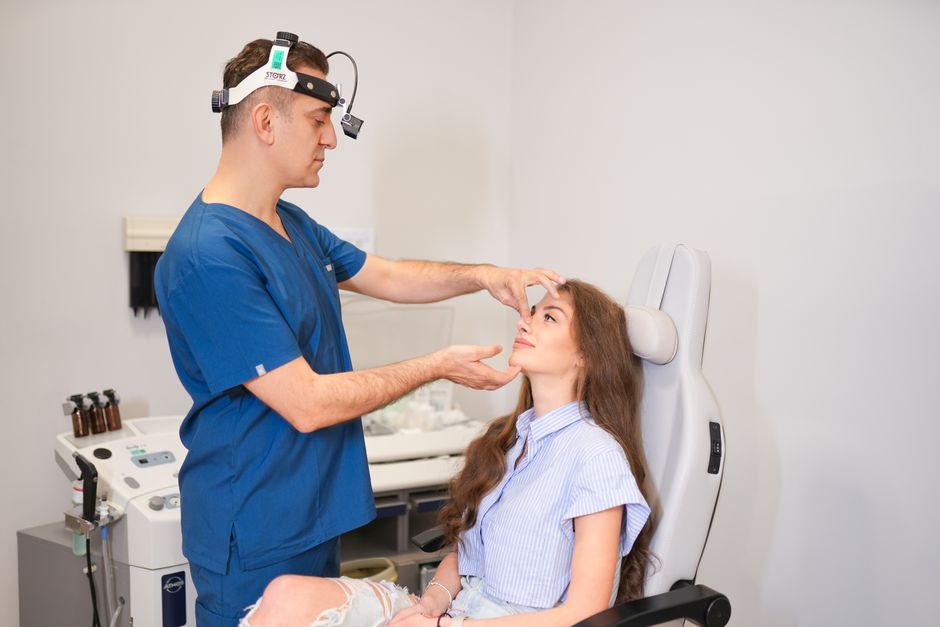
Choosing a plastic surgeon comes down to one thing: verifying that the person operating on you is actually trained, certified, and experienced in the exact procedure you want. In the United States, any physician with a medical license can legally perform cosmetic surgery, even without surgical training. That single fact is why checking credentials matters more than bedside manner, price, or a polished Instagram feed.
How To Choose A Plastic Surgeon What To Look For?
Start with board certification through the American Board of Plastic Surgery (ABPS). This is the only board recognized by the American Board of Medical Specialties to certify surgeons in plastic surgery of the entire body.
That last part matters. A dermatologist, an OB-GYN, or an ear, nose, and throat doctor may hold a legitimate board certification in their own field. Some perform cosmetic procedures within their scope. But their certification is not the same as plastic surgery certification, even when the marketing suggests otherwise.
Here is a detail many people miss. A surgeon can advertise as “board certified” without saying which board. The American Board of Medical Specialties maintains a verification tool, and the ABPS has its own. A quick check takes two minutes and tells you exactly what you are dealing with.
What to look for in order:
- Certification by the American Board of Plastic Surgery
- A current, unrestricted state medical license
- Hospital privileges to perform your specific procedure
- Fellowship training if your procedure is highly specialized
- A practice history you can verify, not just a website you can admire
Does Board Certification Actually Matter?
Board certification does not guarantee a good outcome. No credential can. What it does is confirm that a surgeon completed an accredited residency in plastic surgery, passed written and oral exams, and maintains ongoing education requirements.
The alternative is a physician who learned the procedure through weekend courses or on-the-job training. This happens more than most people realize. A 2019 study published in Plastic and Reconstructive Surgery found that a meaningful share of cosmetic procedures in the US are performed by physicians who are not plastic surgeons.
Certification also affects where a surgeon can operate. Hospitals and accredited surgical centers require privileges, and those privileges are granted based on verified training. A surgeon who cannot get hospital privileges for a procedure is telling you something, whether they mean to or not.
Ask directly: “Are you certified by the American Board of Plastic Surgery?” Then verify the answer independently. It is not rude. It is your body.
Why Hospital Privileges Are a Key Signal
Hospital privileges mean an independent medical committee reviewed the surgeon’s training, credentials, and sometimes their outcomes, and granted permission to perform specific procedures in that facility.
If a surgeon only operates in their own private suite and has no hospital privileges, ask why. There are legitimate reasons. Some surgeons prefer outpatient settings for routine procedures. But the absence of any hospital affiliation removes a layer of outside oversight.
Accredited outpatient surgical centers provide a middle ground. These facilities are inspected and must meet standards for anesthesia, emergency equipment, and staffing. The American Association for Accreditation of Ambulatory Surgery Facilities (AAAASF) is one such accrediting body. If your procedure will happen outside a hospital, confirm the facility is accredited.
This is not about distrust. It is about knowing what safety net exists if something goes wrong during or after surgery.





What Should You Ask During a Consultation?
A consultation is your chance to interview the surgeon, not just listen to a pitch. The best consultations feel like a two-way conversation about your goals, your health history, and what is realistic.
Questions worth asking:
- How many times have you performed this exact procedure?
- What complications have you encountered, and how did you handle them?
- Who will administer anesthesia, and what are their credentials?
- What happens if I need a revision, and who covers the cost?
- Can I speak with former patients who had this procedure?
- What results are realistic for my body and health history?
Pay attention to how the surgeon answers. A surgeon who acknowledges risks, discusses limitations, and does not pressure you toward additional procedures is showing you something important. A surgeon who promises perfect results or dismisses your concerns is showing you something too.
Be wary of anyone who suggests a procedure you did not ask about, especially during the first visit. Upselling in cosmetic surgery is a real practice, and it is a reason to slow down.
Red Flags That Should Give You Pause
Some warning signs are clear. Others are subtle. Both matter.
Clear red flags:
- Pressure to pay a deposit or book surgery the same day
- Prices dramatically lower than other surgeons in your area
- No physical address for the practice, or a constantly changing location
- Surgery performed in an unaccredited office-based setting
- No clear answer about who provides anesthesia
- Before-and-after photos that look edited or borrowed from other sources
Subtle red flags:
- Staff who cannot answer basic questions about the procedure
- A surgeon who spends less than ten minutes with you
- Reviews that all sound alike or appear in bursts
- Reluctance to discuss risks or complications
- No written consent process, or consent signed under time pressure
One more point. Social media presence is not a credential. A large following does not mean a surgeon is qualified. Some of the most experienced plastic surgeons have almost no online presence. Some of the least experienced have huge ones.
How Do You Evaluate Before and After Photos?
Before-and-after photos are a marketing tool. They can also be genuinely helpful when viewed critically. The key is understanding what they can and cannot tell you.
Look for consistency. Lighting, angle, and background should match between the before and after images. If they do not, the comparison may be misleading. Ask whether photos have been edited or filtered. A reputable surgeon will tell you.
Ask to see photos of patients who resemble you in age, skin tone, and body type. Results vary significantly across these factors, and a photo of a 28-year-old tells you little about what to expect at 55.
Also ask about the time between the before and after photos. Some procedures take months for final results to appear. A photo taken two weeks after surgery may not reflect the final outcome.
No photo set can predict your result. What it can do is help you understand the surgeon’s aesthetic approach and whether it aligns with your goals.
What About Cost and Insurance?
Cosmetic plastic surgery is almost never covered by health insurance. Reconstructive surgery following an accident, cancer treatment, or a congenital condition often is, though coverage varies by plan and diagnosis.
If your procedure is reconstructive, contact your insurance company before your consultation. Ask what documentation they require and whether the surgeon you are considering is in-network. This step can save significant money and frustration later.
For cosmetic procedures, cost matters but should not be the deciding factor. A lower price may reflect a less experienced surgeon, an unaccredited facility, or a different anesthesia arrangement. Ask what the quoted price includes:
- Surgeon’s fee
- Anesthesia fees
- Facility fees
- Pre-operative testing
- Post-operative visits and garments
- Revision surgery, if needed
The lowest quote is not always the cheapest. If a revision is needed and not covered, the total cost can exceed a higher initial quote from a more experienced surgeon.
How Do You Check a Surgeon’s Record?
State medical boards maintain public records of disciplinary actions, license status, and sometimes malpractice settlements. Most states allow you to search online. The Federation of State Medical Boards offers a lookup tool that covers all states.
What to look for:
- Any license suspensions, revocations, or restrictions
- Malpractice payments reported to the National Practitioner Data Bank (not publicly searchable, but often reflected in state records)
- Pending investigations or complaints
A single malpractice claim does not necessarily mean a surgeon is unsafe. Complications happen even with excellent care. A pattern of claims, disciplinary actions, or license restrictions is a different matter.
Also check whether the surgeon is a member of professional societies such as the American Society of Plastic Surgeons (ASPS) or The Aesthetic Society. Membership requires board certification and adherence to ethical standards, though it is not a guarantee of skill.
Does the Anesthesia Provider Matter?
Yes, and it is a question many patients never think to ask. The person administering anesthesia during your procedure should be a board-certified anesthesiologist or a certified registered nurse anesthetist (CRNA) working under physician supervision.
In some office-based settings, the surgeon administers sedation or local anesthesia alone. This can be appropriate for minor procedures. For longer or more complex surgeries, having a dedicated anesthesia professional is standard practice in accredited facilities.
Ask who will provide anesthesia, what their credentials are, and what monitoring equipment will be used. A surgeon who cannot answer these questions clearly is a reason to look elsewhere.
Frequently Asked Questions
Is board certification the same as a medical license?
No. A medical license allows a physician to practice medicine in a state, while board certification confirms specialized training and examination in a specific field like plastic surgery. Any licensed physician can legally perform cosmetic procedures, but only a board-certified plastic surgeon has completed accredited plastic surgery training.
How many consultations should I have before choosing a surgeon?
There is no fixed number, but many patients find that two or three consultations help them compare approaches, communication styles, and costs. If you feel rushed or pressured at any consultation, that is a signal to keep looking.
Can I trust online reviews when choosing a plastic surgeon?
Online reviews can offer useful information about bedside manner and office experience, but they are not a reliable measure of surgical skill or safety. Verify credentials through state medical boards and the American Board of Plastic Surgery rather than relying on reviews alone.
What if a surgeon is not certified by the American Board of Plastic Surgery?
They may still be a licensed physician, but they have not completed accredited plastic surgery training or passed the ABPS exams. If you are considering a non-ABPS surgeon, ask about their specific training in the procedure you want and verify their hospital privileges independently.
