
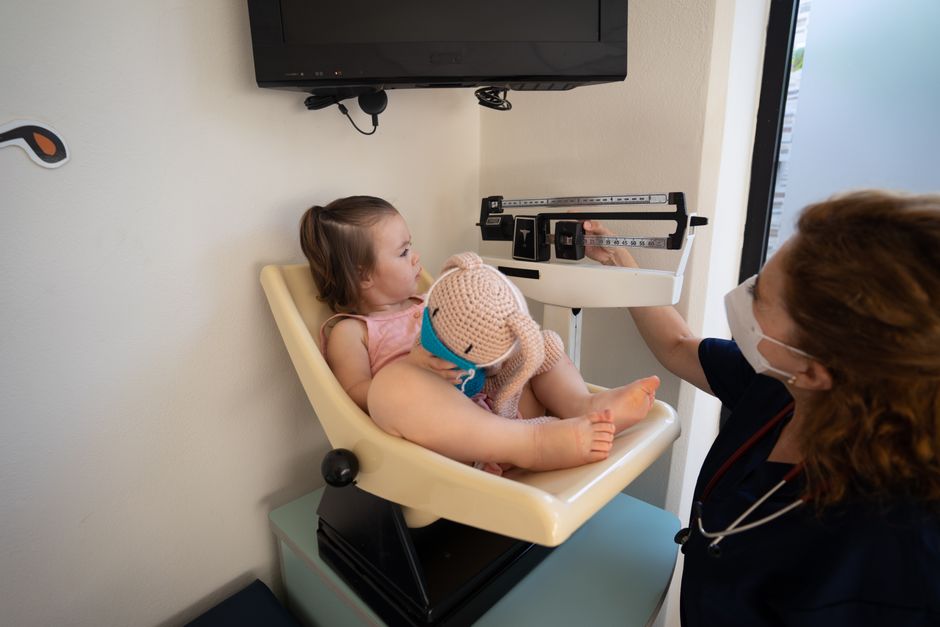
Choosing a pediatrician for your baby comes down to three things: verifying credentials and hospital privileges, confirming the practice accepts your insurance and has room for a newborn, and finding a doctor whose communication style works for you. Most parents start this search in the third trimester, because newborns need a checkup within a few days of leaving the hospital. The right choice is less about finding a “best” doctor and more about finding a good fit you can reach when something goes wrong at 2 a.m.
When Should You Start Looking for a Pediatrician?
Start in your third trimester, ideally by 32 to 34 weeks of pregnancy. This gives you time to check insurance, interview a few offices, and confirm who will see your baby in the hospital.
Here is why the timing matters. Newborns are typically seen in the office within two to five days after discharge. Some pediatric practices want to see the baby even sooner depending on feeding, weight, and jaundice risk. If you have not picked a doctor before delivery, you may end up with whoever is available rather than someone you chose.
Many hospitals ask for your pediatrician’s name at admission. Some practices also do “meet and greet” visits before the baby arrives, often free or for a small fee. Ask about this when you call.
If you are adopting or using a surrogate, start the search as soon as you know a baby is coming. The timeline can be shorter and less predictable.
What Credentials Should You Check?
A pediatrician should be board certified by the American Board of Pediatrics. This means the doctor completed medical school, a three-year pediatric residency, and passed a rigorous exam. You can verify certification through the American Board of Pediatrics website.
Board certification is not permanent. Pediatricians must maintain it through ongoing learning and assessment. You can ask whether a doctor is currently certified or “board eligible,” which means they finished training but have not yet passed the exam.
Also confirm:
- Hospital privileges at the hospital where you plan to deliver. This matters because the pediatrician who examines your newborn may be from your chosen practice, or your doctor may need to coordinate with the hospital’s staff.
- State license in good standing, which you can check through your state medical board.
- Any subspecialty training if your baby has specific needs, such as a cardiologist or neonatologist for a complicated pregnancy.
Credentials tell you the doctor met a minimum standard. They do not tell you whether the doctor listens well or returns calls. That comes next.
How Do You Interview a Pediatric Practice?
Call or visit the office and ask direct questions. A good practice will answer without hesitation. Here are the ones that matter most.
Who will see my baby? Some practices have multiple doctors and your baby may see whoever is available. Others assign a primary doctor. Ask how after-hours calls are handled and whether you can reach a nurse line or on-call doctor at night.
How are same-day sick visits handled? Babies get sick fast. Ask whether the practice holds slots for urgent visits and how long the typical wait is for a sick appointment.
What is the vaccination policy? This is a legitimate question. Some practices follow the standard childhood immunization schedule. A small number of practices have policies that differ. You want to know before you commit, not after.
How do they handle after-hours questions? Many offices use a nurse triage line or an on-call pediatrician. Ask whether there is a charge for after-hours calls.
What is the wait time like? Ask about average wait in the waiting room. A practice that runs on time is easier to live with when you have a fussy newborn.
If you can, visit in person. Notice whether the waiting room has a well-baby area separate from a sick-child area. This is a common practice but not universal. Ask if it matters to you.




What Should You Ask About Insurance and Cost?
Confirm the practice accepts your insurance before you go further. Call your insurer and ask whether the specific doctor is in network. Do not rely on the office’s word alone. Insurance networks change, and front-desk staff can be wrong.
Ask about these specific costs:
- Newborn visit charges and whether they are billed under the baby’s own insurance
- Whether the practice charges for after-hours calls, forms, or vaccine administration
- Whether they bill your insurance directly or expect payment upfront
Most health plans cover well-child visits and recommended vaccines without cost sharing, but this depends on your plan. Confirm the details with your insurer.
One practical note: your baby needs their own insurance coverage from birth. Many plans allow you to add a newborn within a set window after delivery, often 30 days. Missing that window can leave you with bills. Call your insurer before delivery to confirm the exact deadline for your plan.
What Matters More: Location, Hours, or Philosophy?
For most families, location and access matter more than philosophy. A doctor you love who is 45 minutes away becomes a problem when your baby has a fever and you need to be seen today.
Here is a simple way to weigh the tradeoffs:
- Location: Close to home matters for sick visits and emergencies. A 15-minute drive is easier than a 45-minute one when you are worried.
- Hours: Evening and weekend hours reduce the number of times you end up in urgent care.
- Philosophy: Communication style and approach to feeding, sleep, and vaccines matter, but they are harder to judge from a website. Ask in person.
If you have a high-risk pregnancy or a baby with anticipated medical needs, access to a children’s hospital or a specialist may outweigh convenience. Ask whether the practice has relationships with pediatric specialists you might need.
How Do You Know If a Pediatrician Is a Good Fit?
You will know within one visit. A good pediatrician explains things in plain language, welcomes questions, and does not rush you out the door. They ask about your baby’s feeding, sleep, and development, not just the chart.
Pay attention to how they handle uncertainty. No doctor knows everything. A good one says “I am not sure, let me check” rather than guessing. They also tell you when something is normal and when it needs a closer look.
Trust your instincts about communication. If you leave a visit feeling dismissed or confused, that is a signal. You can change pediatricians. It is common and no one will be offended.
Ask about the practice’s approach to common newborn issues: feeding problems, jaundice, sleep, and crying. You do not need a doctor who agrees with you on everything. You need one who listens and explains.
What If You Cannot Find a Pediatrician Before Birth?
You can still deliver. Most hospitals have pediatricians on staff who examine newborns before discharge. You can choose a practice after the baby is born, though it is easier to do the legwork beforehand.
If you are uninsured or underinsured, ask about sliding-scale clinics and community health centers. Many offer pediatric care on a sliding fee based on income. Your local health department can point you to options.
If you move or your insurance changes, you can switch pediatricians at any time. Ask the new office to request your child’s records from the old one.
Frequently Asked Questions
When should I start looking for a pediatrician?
Start in your third trimester, ideally by 32 to 34 weeks of pregnancy. This gives you time to check insurance and interview practices before your baby needs a newborn visit.
Do I need to interview a pediatrician before my baby is born?
It is not required, but many practices offer prenatal meet-and-greet visits. These let you ask about hours, after-hours care, and vaccination policy before you commit.
Can I change pediatricians after my baby is born?
Yes, you can switch at any time. Ask the new office to request your child’s records from the previous practice.
Does a pediatrician need to be board certified?
Board certification is the standard credential for pediatricians and shows they completed residency and passed a certifying exam. You can verify certification through the American Board of Pediatrics.
