
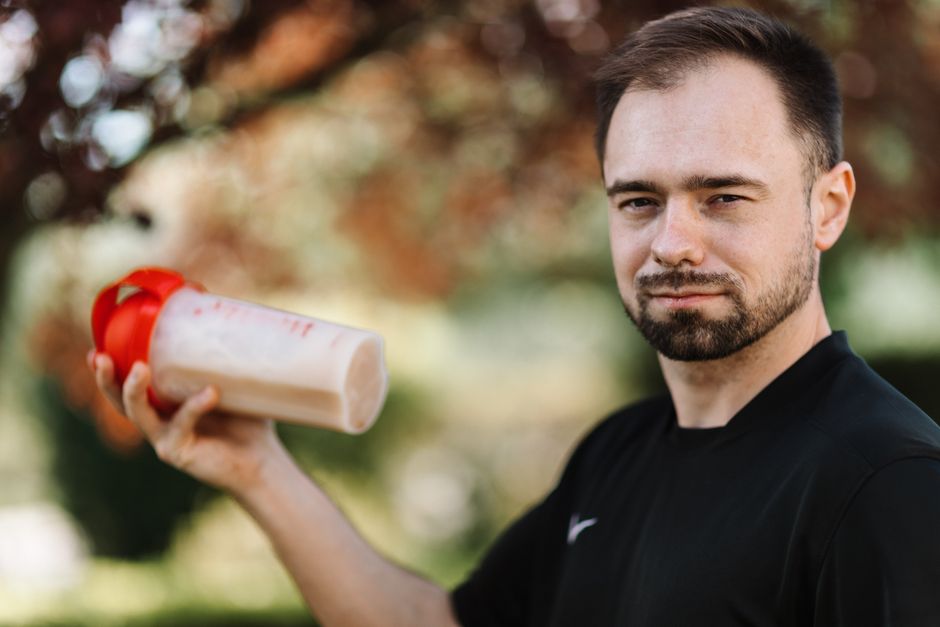
Walk down any grocery aisle and you’ll see shelves of powder and ready-to-drink shakes all promising to help you lose weight. Most of them won’t. A good protein shake for weight loss gives you protein with few extra calories, little or no added sugar, and ingredients you can actually pronounce. The best choice is one that fits your daily calorie needs and that you’ll keep drinking after the first week.
Protein shakes are a tool, not a magic bullet. They can help you feel full and protect muscle while you eat less. But a shake loaded with sugar and maltodextrin is basically a dessert in a bottle. Here is how to tell the difference.
What Actually Makes a Protein Shake Good for Weight Loss?
The core job of a weight loss protein shake is to deliver protein with as few unnecessary calories as possible. Protein is the most satiating macronutrient — it keeps you fuller longer than fat or carbs do. That fullness is the main reason a shake can help with weight loss.
The second job is preserving muscle. When you eat fewer calories, your body can break down muscle for energy. Getting enough protein helps limit that loss. This matters because muscle burns more calories at rest than fat does, and losing muscle can slow your metabolism over time.
Everything else — added vitamins, “fat burner” blends, fancy flavors — is secondary. Some added nutrients are useful. Many are marketing. Focus on the basics first.
How Much Protein Should a Weight Loss Shake Have?
Look for a shake with at least 20 grams of protein per serving. That’s a reasonable target for a single shake that’s meant to replace a meal or snack. Many quality products land between 20 and 30 grams.
More protein isn’t automatically better. A shake with 40 grams of protein and 300 calories may not serve weight loss better than one with 25 grams and 150 calories. The calorie-to-protein ratio matters more than the raw protein number.
General protein guidance for adults is roughly 0.8 grams per kilogram of body weight per day for basic health. People trying to lose weight and keep muscle often aim higher, and some research supports intakes above that baseline during weight loss. If you have kidney disease or another condition that affects protein handling, talk to your doctor before increasing protein intake.
What Should You Look For on the Ingredient Label?
The ingredient list tells you more than the front of the package. Ingredients are listed by weight, so what appears first is what you’re getting most of.
A short list built around a protein source is a good sign. Watch for sugar hiding under many names — cane sugar, dextrose, maltodextrin, corn syrup solids, and fruit juice concentrate all add calories without much benefit.
- Protein source first. Whey, casein, soy, pea, or egg protein should lead the list.
- Few added sugars. Check total sugars per serving, not just “added sugar” on the label.
- Reasonable calorie count. A snack shake is often 100–200 calories. A meal replacement runs higher.
- Short ingredient list. Fewer fillers and gums usually means a cleaner product.
One thing people miss: “no added sugar” doesn’t mean low sugar. A shake can contain natural sugars from milk or fruit and still carry a meaningful calorie load. Read the nutrition panel, not just the front claims.
Whey, Plant, or Casein — Does the Type of Protein Matter?
For weight loss, the type of protein matters less than the total amount and the calories around it. Whey, casein, soy, pea, and egg protein all provide complete protein or close to it, and all can support fullness.
Whey is fast-digesting and well studied. Casein digests more slowly, which some people find keeps them fuller longer. Plant blends — especially pea and rice combined — cover the amino acid profile well. Soy protein is a complete protein on its own.
If you have a dairy allergy, choose a plant or egg-based shake. If you’re lactose intolerant, whey isolate or a plant protein is usually easier on the stomach. The “best” protein is the one your body tolerates and that you’ll actually use.
Are Meal Replacement Shakes Better Than Protein Shakes?
They serve different purposes. A protein shake is usually a snack or a protein boost. A meal replacement is designed to stand in for a full meal and includes more calories, fiber, vitamins, and minerals.
Meal replacements can help some people control portions, but they aren’t required for weight loss and they don’t teach eating habits. Replacing every meal with a shake is hard to sustain and not generally recommended without medical supervision.
Most people do better using a protein shake as one tool — a filling snack or a post-workout drink — while eating real food for most meals. Whole foods provide fiber and nutrients a powder can’t fully replicate.
How Do You Spot Marketing Hype on a Protein Shake?
Weight loss products are one of the most heavily marketed categories in the supplement world, and much of the language is unregulated. Words like “detox,” “metabolism booster,” and “fat burner” have no standard meaning and no required proof behind them.
No clinical evidence currently confirms that any protein shake burns fat on its own. Shakes help with weight loss only when they support a calorie deficit — by keeping you full or replacing a higher-calorie meal. The shake isn’t doing the work; the calorie balance is.
Be skeptical of proprietary blends that hide ingredient amounts. If a label won’t tell you how much of an ingredient is in the product, you can’t judge whether it’s meaningful. Skip products that lean on stimulants or unlisted “herbal” blends for weight loss claims.
How Should You Use a Protein Shake for Weight Loss?
A shake works best as a replacement for something higher in calories, not as an addition on top of your normal eating. Adding a 200-calorie shake to your day without cutting anything else will likely lead to weight gain, not loss.
Common approaches include using a shake as a filling breakfast, as a post-workout drink, or as an afternoon snack that keeps you from overeating later. Timing matters less than total daily calories. Some evidence suggests protein spread across the day supports fullness and muscle better than one large dose, but the overall calorie balance is what drives weight change.
Pair shakes with whole foods when you can. A shake alone won’t give you the fiber and variety that a balanced diet provides. And if you’re using shakes to replace most meals for more than a short period, talk to a doctor or dietitian first.
What About Calories, Sugar, and Artificial Sweeteners?
Calories decide whether a shake helps or hurts weight loss. A shake with 120 calories and 24 grams of protein is a very different tool from one with 350 calories and 15 grams of protein, even if both say “high protein” on the label.
Sugar adds calories quickly and does little for fullness. Many sweetened shakes carry 10 to 20 grams of sugar or more per serving. Unsweetened or lightly sweetened options are usually the better fit for weight loss.
Artificial sweeteners are a debated topic. Regulatory bodies consider the common ones safe at typical intake levels, but some people prefer to avoid them. The evidence on whether they help or hinder weight loss is mixed. If they bother you, choose a lightly sweetened or unsweetened shake instead.
Frequently Asked Questions
How many grams of protein should a weight loss shake have?
Aim for at least 20 grams of protein per serving. A shake with 20 to 30 grams and a modest calorie count is a reasonable target for most adults.
Can protein shakes help you lose weight without dieting?
No. Protein shakes support weight loss only when they help you eat fewer calories overall, usually by keeping you full or replacing a higher-calorie meal.
Are protein shakes bad for your kidneys?
For healthy adults, higher protein intake from shakes is generally considered safe. People with existing kidney disease should check with their doctor before increasing protein.
Is it better to drink a protein shake before or after a workout?
For weight loss, timing matters less than your total daily calories and protein. Many people find a post-workout shake convenient, but a shake at any time can fit if it supports your calorie goal.
