
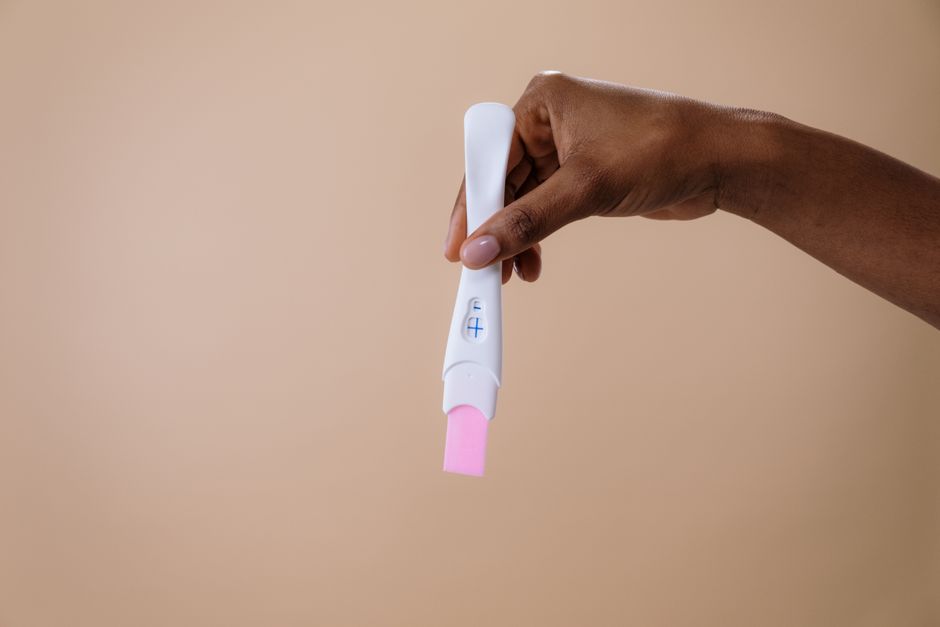
An ectopic pregnancy happens when a fertilized egg implants outside the uterus, most often in a fallopian tube. You cannot confirm or rule out an ectopic pregnancy on your own at home. Checking requires a combination of blood tests, ultrasound, and sometimes a physical exam performed by a clinician. If you have symptoms like one-sided pelvic pain, vaginal bleeding, or shoulder tip pain, seek emergency care immediately rather than waiting for a scheduled appointment.
What Is An Ectopic Pregnancy And Why Does It Matter?
In a normal pregnancy, a fertilized egg travels through a fallopian tube and implants in the lining of the uterus, where it can grow safely. In an ectopic pregnancy, that egg implants somewhere else. About 90 percent of the time, it lodges in a fallopian tube. Less commonly, it can implant in the cervix, an ovary, or the abdominal cavity.
The problem is structural. A fallopian tube is not built to hold a growing pregnancy. As the tissue expands, it can rupture the tube, causing internal bleeding. This is a medical emergency that can become life-threatening within a short window. Ectopic pregnancy remains a leading cause of pregnancy-related death in the first trimester, though deaths are rare when it is caught and treated early.
Ectopic pregnancies are not viable. The pregnancy cannot be relocated to the uterus or saved. Treatment focuses on protecting the pregnant person’s health and, when possible, preserving future fertility.
What Are The Early Signs Of An Ectopic Pregnancy?
Early ectopic pregnancy often produces no distinctive symptoms at all. That is what makes it dangerous. A person may have a positive pregnancy test and feel completely normal in the first days or weeks.
When symptoms do appear, they tend to show up between weeks 4 and 12 of pregnancy. The most common early signs include:
- Mild pelvic or abdominal pain, often one-sided
- Light vaginal bleeding or spotting
- Pain that comes and goes rather than staying constant
- Discomfort when pressing on the abdomen or during a pelvic exam
These symptoms overlap heavily with normal early pregnancy complaints. Mild cramping and spotting can happen in a healthy intrauterine pregnancy too. That overlap is exactly why symptoms alone cannot tell you whether a pregnancy is ectopic.
Some people also notice gastrointestinal symptoms like nausea, diarrhea, or a feeling of needing to have a bowel movement. These can be misleading because they mimic ordinary stomach issues.
What Are The Emergency Warning Signs?
A ruptured ectopic pregnancy is a life-threatening emergency. Certain symptoms mean you should call 911 or go to an emergency department immediately, not wait for an appointment.
- Sudden, severe pain in the lower abdomen or pelvis
- Sharp pain in the shoulder or neck, especially when lying down
- Dizziness, fainting, or feeling like you might pass out
- Rapid heartbeat or shortness of breath
- Pale, clammy skin
- Heavy vaginal bleeding
Shoulder tip pain is one of the most misunderstood warning signs. It happens when internal bleeding irritates the diaphragm, and the nerve signal gets referred to the shoulder. It does not always mean a rupture has already happened, but it is a red flag that requires immediate evaluation.
Do not drive yourself to the hospital if you have these symptoms. Call emergency services.
How Is An Ectopic Pregnancy Diagnosed?
Diagnosis is a stepwise process. No single test confirms an ectopic pregnancy on its own. Clinicians combine several pieces of information.
Blood tests for hCG. Human chorionic gonadotropin (hCG) is the hormone pregnancy tests detect. In a normal early pregnancy, hCG levels roughly double every 48 hours. In an ectopic pregnancy, the rise is often slower or erratic. A single hCG value is rarely enough. Clinicians typically measure hCG twice, about 48 hours apart, to see the trend. An abnormally slow rise raises suspicion but does not prove ectopic pregnancy — some normal pregnancies also rise slowly.
Progesterone levels. A low progesterone level can support suspicion of an abnormal pregnancy, but it cannot distinguish an ectopic pregnancy from a failing intrauterine pregnancy. It is used as one clue among several.
Transvaginal ultrasound. This is the most important imaging test. A probe is placed inside the vagina to get a close view of the uterus, fallopian tubes, and surrounding structures. The goal is to find a pregnancy inside the uterus. If hCG has reached a certain level and no intrauterine pregnancy is visible, ectopic pregnancy becomes much more likely. Ultrasound can sometimes directly show a mass in a fallopian tube or fluid in the abdomen.
Physical examination. A clinician may check for abdominal tenderness, a tender mass near the ovary, or signs of internal bleeding. This exam alone cannot diagnose an ectopic pregnancy but helps guide urgency.
What Do The Test Results Actually Mean?
Interpreting ectopic pregnancy testing requires care because results are rarely black and white. A pregnancy can be too early to see on ultrasound even when it is completely normal. This is called a pregnancy of unknown location. It is not a diagnosis — it is a waiting period.
In these cases, clinicians repeat hCG measurements and ultrasound over several days. The pattern over time usually reveals whether the pregnancy is developing normally, failing, or ectopic. Sometimes the diagnosis only becomes clear after a pregnancy of unknown location resolves or is treated.
Here is a comparison of what different findings can suggest:
| Findings | What It May Indicate |
|---|---|
| hCG rising normally, intrauterine pregnancy seen on ultrasound | Normal intrauterine pregnancy |
| hCG rising slowly, no intrauterine pregnancy seen | Suspected ectopic pregnancy or early failing pregnancy |
| hCG falling, no intrauterine pregnancy seen | Possible failing pregnancy, but ectopic cannot be ruled out |
| Mass in fallopian tube or free fluid in abdomen on ultrasound | Strongly suggests ectopic pregnancy |
One detail that surprises many people: a falling hCG level does not always mean the pregnancy is safe. Some ectopic pregnancies resolve on their own, but others can still rupture even as hormone levels drop. That is why monitoring continues until the level is undetectable.
Who Is At Higher Risk For An Ectopic Pregnancy?
Anyone who can become pregnant can have an ectopic pregnancy. Many people who have one have no identifiable risk factors at all. That said, certain conditions raise the odds.
- A previous ectopic pregnancy
- Previous surgery on the fallopian tubes
- Pelvic inflammatory disease or a history of sexually transmitted infections like chlamydia
- Endometriosis or scar tissue in the pelvis
- Use of an intrauterine device (IUD) — pregnancy with an IUD in place is rare, but if it happens, it is more likely to be ectopic
- Fertility treatments, including in vitro fertilization
- Smoking
- Age over 35
Having a risk factor does not mean an ectopic pregnancy is inevitable. Most pregnancies in people with these risk factors are normal. Risk factors help clinicians decide how closely to monitor early pregnancy. They do not replace testing.
Can You Check For An Ectopic Pregnancy At Home?
No. There is no home test that can detect an ectopic pregnancy. A home pregnancy test only tells you that hCG is present. It cannot show where a pregnancy has implanted.
Some home pregnancy tests are marketed as showing weeks of pregnancy based on hCG levels. These do not detect ectopic pregnancy and should not be used for that purpose. A positive home test combined with pain or bleeding warrants a call to a clinician, not another home test.
If you have a positive pregnancy test and any concerning symptoms, contact a healthcare provider the same day. If symptoms are severe, go to an emergency department. Early diagnosis dramatically reduces the risk of serious complications.
What Happens After An Ectopic Pregnancy Is Confirmed?
Treatment depends on how early the ectopic pregnancy is found, its size, whether it has ruptured, and the person’s overall health and fertility goals.
Expectant management. In rare cases where hCG levels are low and falling, a clinician may choose to monitor without immediate treatment. This requires close follow-up because the pregnancy can still rupture.
Medication. Methotrexate is a drug that stops the pregnancy from growing and allows the body to absorb it over time. It is generally used when the ectopic pregnancy is small, unruptured, and hCG levels are below a certain threshold. It requires follow-up blood tests and has restrictions — including avoiding alcohol, certain medications, and folic acid supplements during treatment. It is not appropriate for everyone.
Surgery. When the pregnancy has ruptured, is large, or medication is not suitable, surgery is needed. This is often done laparoscopically, using small incisions. The surgeon may remove just the ectopic pregnancy or the entire fallopian tube, depending on the situation.
After treatment, hCG levels are monitored until they return to zero. This confirms the ectopic tissue is fully gone. Future fertility depends on many factors, including the health of the remaining tube and the underlying cause. Many people go on to have healthy pregnancies afterward.
When Should You Get Checked?
Get checked right away if you have a positive pregnancy test and any of these:
- Pelvic or abdominal pain
- Vaginal bleeding or spotting
- Shoulder tip pain
- Dizziness or fainting
- A known risk factor for ectopic pregnancy, such as a previous ectopic pregnancy or fertility treatment
Do not wait for a scheduled prenatal visit if you have symptoms. An ectopic pregnancy can progress quickly. Early evaluation is the safest path, and in many cases, it allows for treatment that preserves the fallopian tube and future fertility.
If you are unsure whether your symptoms are serious, call your healthcare provider or a nurse line. It is always better to be evaluated and find nothing wrong than to wait and risk a rupture.
Frequently Asked Questions
Can a home pregnancy test detect an ectopic pregnancy?
No. A home pregnancy test only detects the presence of hCG and cannot show where a pregnancy has implanted. Only blood tests and ultrasound performed by a clinician can diagnose an ectopic pregnancy.
How early can an ectopic pregnancy be detected?
It can sometimes be detected as early as 4 to 6 weeks of pregnancy using blood hCG measurements and transvaginal ultrasound. In some cases, diagnosis takes several days of monitoring because early findings are not always clear.
Does a slow-rising hCG level always mean an ectopic pregnancy?
No. A slow hCG rise can also occur in a normal but early pregnancy or in a pregnancy that is failing. It raises suspicion and prompts further testing but does not confirm an ectopic pregnancy by itself.
Can an ectopic pregnancy resolve on its own?
In rare cases with very low and falling hCG levels, an ectopic pregnancy may resolve without treatment. However, it can still rupture during this time, so close monitoring by a clinician is required.
