
Anemia means your blood does not carry enough oxygen to the rest of your body. The most reliable way to check for it is a complete blood count (CBC) test ordered by a doctor. At home, you can watch for common signs like unusual fatigue, pale skin, and shortness of breath, but only a blood test can confirm the diagnosis and identify the type.
What Are the Most Common Anemia Signs?
Fatigue is the most reported symptom, but it is also the easiest to dismiss. Anemia develops when your red blood cell count or hemoglobin level drops below normal. Hemoglobin is the protein inside red blood cells that carries oxygen. When levels fall, your tissues get less oxygen, and you feel tired.
Other common signs include pale skin, cold hands and feet, dizziness, and headaches. Some people notice a fast or irregular heartbeat. Shortness of breath during normal activities like climbing stairs is another warning sign. If you have several of these symptoms together, it is worth discussing with a doctor.
Less common signs include brittle nails, cracks at the corners of the mouth, and an unusual craving to chew ice. That ice craving has a medical name: pagophagia. It is strongly associated with iron deficiency anemia, though the exact reason is not fully understood.
How To Check For Anemia Signs And Blood Tests at Home
You can check some anemia signs at home, but you cannot diagnose it. Look at your inner eyelids, nail beds, and palms. In fair skin, these areas appear pink when healthy. If they look pale or washed out, anemia is possible. In darker skin tones, check the inside of the lower eyelid or the palms, where pigment is lighter.
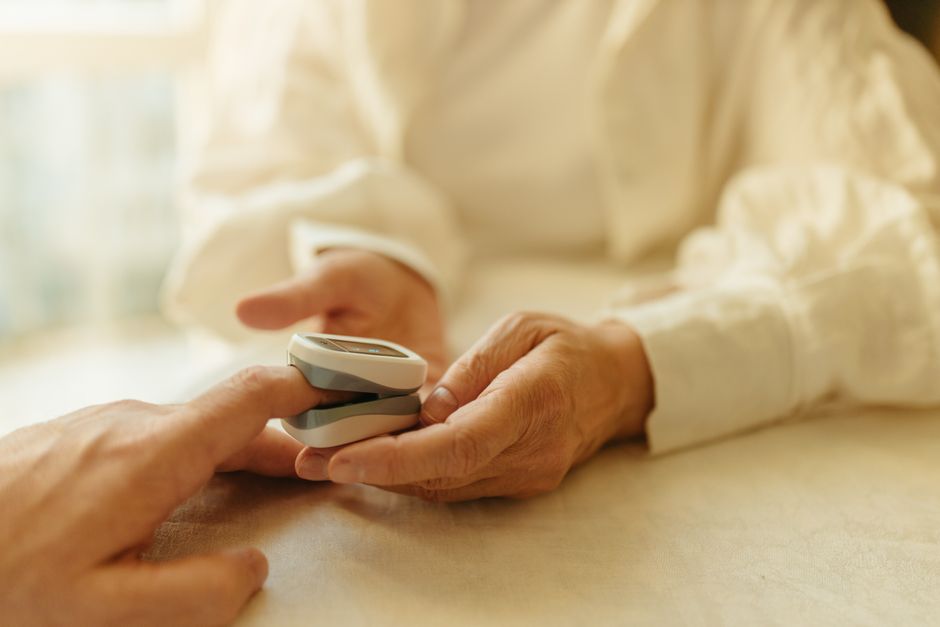
Home test kits for hemoglobin exist, but their accuracy varies. Some use a finger-prick blood sample, similar to a glucose meter. These can give you a rough idea, but they do not replace a lab test. They also do not tell you the type of anemia, which matters for treatment.
The only definitive check is a blood test. A complete blood count measures your red blood cells, hemoglobin, and hematocrit — the percentage of your blood made up of red blood cells. These numbers tell your doctor whether anemia is present and how severe it is.
Which Blood Tests Diagnose Anemia?
The complete blood count is the starting point. Normal hemoglobin ranges vary by age, sex, and even altitude. For adult men, normal is roughly 13.5 to 17.5 grams per deciliter. For adult women, it is roughly 12.0 to 15.5 grams per deciliter. Below these ranges, anemia is present.
If the CBC shows anemia, your doctor will order follow-up tests to find the cause. The most common next step is a ferritin test, which measures your body’s stored iron. Low ferritin confirms iron deficiency, the most common cause of anemia worldwide.
Other tests include vitamin B12 and folate levels. Low B12 causes a specific type of anemia where red blood cells are larger than normal. A blood smear looks at the shape and size of your red blood cells under a microscope. This helps distinguish between different types of anemia.
In some cases, doctors order a reticulocyte count. Reticulocytes are young red blood cells. A high count means your bone marrow is working hard to replace lost cells. A low count means production is sluggish. This test helps determine whether the problem is blood loss, destruction, or underproduction.




What Are the Main Types of Anemia?
Iron deficiency anemia is the most common. It happens when your body does not have enough iron to make hemoglobin. Causes include blood loss, low iron intake, and poor absorption. In premenopausal women, heavy menstrual bleeding is a frequent culprit.
Vitamin deficiency anemia occurs when B12 or folate is low. B12 deficiency can be caused by a lack of animal products in the diet or by an autoimmune condition that blocks absorption. This type is called pernicious anemia.
Anemia of chronic disease affects people with long-term conditions like kidney disease, rheumatoid arthritis, or cancer. Inflammation interferes with how the body uses iron, even when iron stores are adequate.
Aplastic anemia is rare and serious. The bone marrow stops making enough red blood cells, white blood cells, and platelets. Hemolytic anemia happens when red blood cells are destroyed faster than they are made. Sickle cell anemia is inherited and causes red blood cells to become rigid and crescent-shaped.
Each type has a different treatment. That is why a simple anemia diagnosis is not enough — knowing the type determines the right approach.
When Should You See a Doctor?
See a doctor if you have persistent fatigue that interferes with daily life, especially if it comes with pale skin or shortness of breath. Unexplained fatigue lasting more than a few weeks deserves evaluation. Dizziness, chest pain, or fainting warrant prompt medical attention.
Do not start iron supplements on your own without a blood test. Taking iron when you do not need it can cause constipation, nausea, and — in rare cases — iron overload. Excess iron accumulates in organs and can cause serious damage over time.
If you have heavy menstrual bleeding, gastrointestinal bleeding, or a family history of inherited anemia, mention these to your doctor. Blood in stool, black tarry stool, or vomiting blood are urgent signs that require immediate evaluation.
Can Diet Alone Fix Anemia?
Diet can help prevent and treat some types of anemia, but it depends on the cause. Iron deficiency anemia can improve with dietary changes, though supplements are usually faster and more reliable. Food sources of iron include red meat, poultry, fish, lentils, beans, and fortified cereals.
Vitamin C helps your body absorb iron from plant sources. Eating citrus fruits, tomatoes, or bell peppers alongside iron-rich meals improves absorption. Tea and coffee contain tannins that reduce iron absorption, so avoid them at mealtimes if you are trying to raise your iron levels.
B12 deficiency from a vegan or vegetarian diet can be managed with fortified foods or supplements. However, if the deficiency is caused by an absorption problem, oral supplements may not be enough, and injections are needed.
Diet cannot fix anemia caused by chronic disease, bone marrow failure, or inherited conditions. In those cases, the underlying condition must be treated first.
What Happens If Anemia Goes Untreated?
Untreated anemia puts strain on your heart. With fewer red blood cells, your heart must pump harder to deliver oxygen. Over time, this can lead to an enlarged heart or heart failure. This risk is highest in severe or long-standing anemia.
Pregnancy is a special concern. Anemia during pregnancy increases the risk of premature birth and low birth weight. Pregnant women are routinely screened for anemia because the blood volume expands significantly during pregnancy.
In older adults, anemia is linked to falls, cognitive decline, and worse outcomes from surgery. Some research suggests anemia is associated with increased mortality in older populations, though the exact relationship is complex.
Severe anemia can be life-threatening. Hemoglobin levels below 7 grams per deciliter usually require urgent treatment, often with blood transfusion. Symptoms of severe anemia include chest pain, severe shortness of breath, and confusion.
Frequently Asked Questions
Can I check for anemia at home without a blood test?
You can look for pale inner eyelids, pale palms, and unusual fatigue, but these signs are not definitive. Only a blood test can confirm anemia and identify its type.
What is a normal hemoglobin level?
Normal ranges are roughly 13.5 to 17.5 grams per deciliter for adult men and 12.0 to 15.5 grams per deciliter for adult women. Levels below these ranges indicate anemia.
How long does it take to get anemia blood test results?
A complete blood count typically returns within 24 hours, and many labs provide results the same day. Follow-up tests like ferritin or B12 levels may take a few days longer.
Should I take iron supplements if I feel tired?
No — do not self-treat with iron without a blood test. Excess iron can cause organ damage, and fatigue has many causes beyond anemia.
