
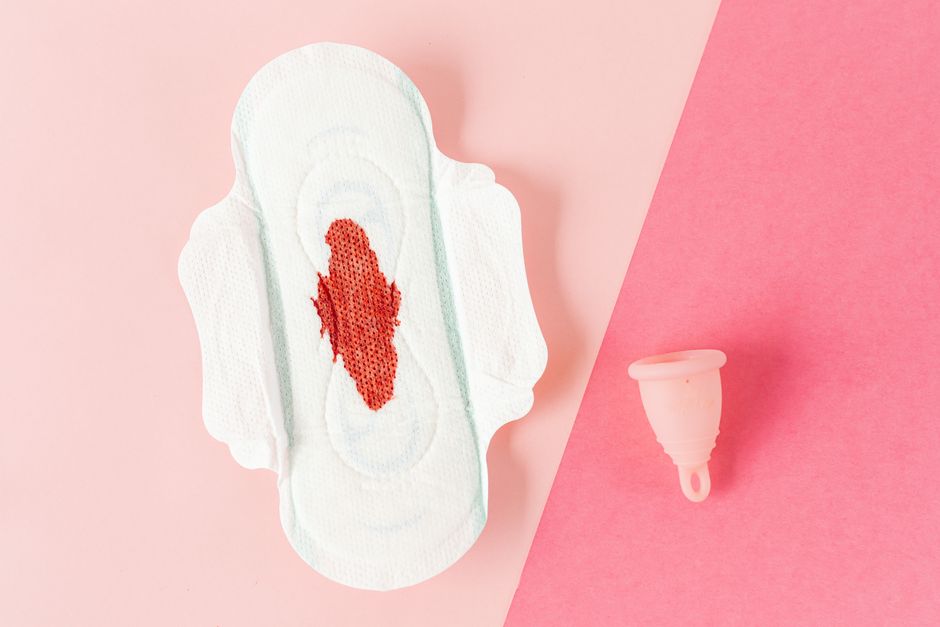
You can change your period cycle with hormonal birth control, and the method you choose changes the result. Combined birth control pills can shift, shorten, or skip periods by controlling when you take hormones and when you take the placebo or hormone-free pills. Hormonal IUDs thin the uterine lining over time, so bleeding usually becomes lighter and often stops. Copper IUDs generally do not change your natural cycle, and they can make periods heavier. None of these methods works instantly, and the change you get depends on the method, the dose, and how long you use it.
How Do Birth Control Pills Change Your Period Cycle?
Combined pills contain an estrogen and a progestin. They stop the ovary from releasing an egg and keep the uterine lining thin. The monthly bleed on a pill pack is not a true period. It is a withdrawal bleed triggered by the hormone-free days.
That distinction matters. Because the bleed comes from hormone withdrawal, you can control it. Standard packs run 21 days of active pills followed by 7 days of placebo or no pills. Extended-use packs run more active pills in a row and have fewer withdrawal bleeds.
Ways pills change the cycle:
- Shorter or lighter bleeds. The lining is thin, so the withdrawal bleed is usually lighter than a natural period.
- Fewer bleeds. Extended or continuous dosing reduces how many withdrawal bleeds you have per year.
- Skipping a bleed. Taking active pills straight through the placebo week can delay or skip a withdrawal bleed.
- Unscheduled bleeding. Spotting between bleeds is common in the first few months, especially with continuous use.
One point that surprises many people: skipping the placebo week is a recognized off-label use of combined pills, and many clinicians support it for people without risk factors. It is not the same as taking the pill incorrectly. The hormones stay steady, and the lining simply does not build up enough to bleed.
Pills do not permanently change your natural cycle. When you stop, your own cycle usually returns, though it can take a few months to settle.
How Does an IUD Change Your Period?
The two IUD types act very differently on bleeding. This is one of the clearest examples of how method choice decides the outcome.
Hormonal IUDs release a progestin directly into the uterus. The main effect is on the lining, which thins over months of use. Bleeding typically becomes lighter and less painful. Many users eventually have very little bleeding or none at all. This is an expected effect, not a sign something is wrong. The hormone dose is low and mostly stays local, though some is absorbed into the bloodstream.
Copper IUDs contain no hormones. They work by affecting sperm and the uterine environment. They do not stop ovulation or thin the lining. In fact, copper IUDs often make periods heavier and cramping worse, especially in the first several months. Over time this usually improves, but it may not fully return to baseline for everyone.
Neither IUD is placed to “reset” your cycle. The change in bleeding is a side effect of how each device works, and it follows a predictable pattern based on which type you have.
How To Change Your Period Cycle Pills Iuds More: Comparing the Options
The table below summarizes how each method typically affects bleeding. These are general patterns, not guarantees. Individual response varies, and a clinician can help you match a method to your goals.
| Method | Effect on bleeding | Reversible? | Timeline to change |
|---|---|---|---|
| Combined pill (standard) | Lighter, regular withdrawal bleeds | Yes, quickly | First pack |
| Combined pill (extended/continuous) | Fewer or no bleeds; spotting possible | Yes, quickly | First pack; spotting may take months to settle |
| Progestin-only pill | Variable; some have irregular bleeding, some stop | Yes, quickly | First few months |
| Hormonal IUD | Lighter over time; often stops | Yes, on removal | Several months to a year |
| Copper IUD | Heavier, more cramping initially | Yes, on removal | First several months, then often improves |
If your goal is fewer or no periods, a hormonal IUD or continuous pill use tends to produce that result. If your goal is to keep a predictable monthly bleed, a standard combined pill fits better. If you want hormone-free contraception and can tolerate heavier periods, a copper IUD may be an option.
Can You Skip Your Period Safely With Pills?
Skipping withdrawal bleeds with combined pills is generally considered safe for people without specific risk factors. The evidence for this is well established. Continuous and extended regimens are used in clinical practice and have been studied for years.
Safety depends on your personal risk profile, not on the act of skipping. The main concern with combined pills is blood clot risk, and that risk comes from the estrogen component, not from how many bleeds you skip. So the question is whether combined pills are appropriate for you at all, not whether skipping a bleed is dangerous.
People who should not use combined pills include those with certain clotting disorders, a history of blood clots, some migraine patterns with aura, and smokers over age 35. These are established contraindications. If you fall into one of these groups, a progestin-only method or a hormonal IUD may be a better fit.
Unscheduled spotting is the most common complaint with continuous use. It usually lessens over the first few months. Some clinicians suggest a short hormone-free break if spotting persists, but practice varies and there is no single standard approach.
What About the Implant, Shot, and Ring?
Other hormonal methods also change bleeding, and it helps to know the general pattern.
The contraceptive implant releases a progestin and often causes irregular bleeding at first. Over time, many users have infrequent or no bleeding, though patterns vary widely. The shot (injectable progestin) commonly leads to irregular bleeding early on and often no bleeding with continued use. The vaginal ring works like a combined pill and can be used continuously in a similar way. The patch also delivers combined hormones and follows the same logic.
For all of these, the principle is the same: hormones that suppress ovulation and thin the lining tend to reduce bleeding. Methods without hormones, like the copper IUD, do not.
When Should You Talk to a Clinician?
Talk to a clinician before changing how you use any hormonal method, especially if you plan to skip bleeds or switch devices. A few situations deserve prompt attention:
- Heavy bleeding that soaks through protection quickly or lasts many days
- Bleeding between periods that is new and persistent
- Severe cramping that does not improve
- Signs of a possible clot, such as leg pain or swelling, sudden shortness of breath, or chest pain
- Missed periods when pregnancy is possible
Irregular bleeding is common with many methods and is often not dangerous. But new or worsening bleeding should be checked, because it can have causes unrelated to birth control. A clinician can tell the difference between a normal method-related change and something that needs a closer look.
One clarification worth making: a hormonal IUD that stops your period is not harming your body. The lining is simply thin. Fertility typically returns after removal, and the method does not cause lasting changes to your cycle.
Frequently Asked Questions
Can I skip my period every month on the pill?
Yes, continuous use of combined pills to skip withdrawal bleeds is a recognized practice for people without contraindications. Talk to a clinician first to confirm combined pills are safe for you.
Will a hormonal IUD stop my period completely?
Many users eventually have very light bleeding or none at all, but this varies. It usually takes several months to a year for bleeding to settle.
Does the copper IUD change your cycle?
The copper IUD does not contain hormones and generally does not change your natural cycle. It often makes periods heavier and cramping worse, especially in the first few months.
How long does it take for periods to return after stopping the pill?
Most people return to their natural cycle within a few months, though timing varies. If your period has not returned after several months, see a clinician.
