
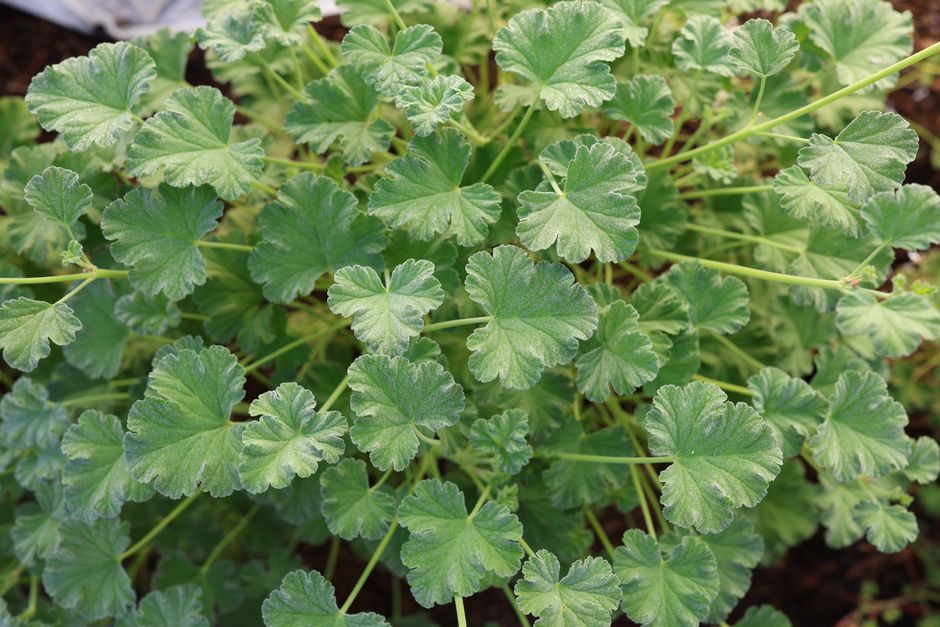
Zonal geraniums are the classic bedding plant with rounded leaves and clusters of red, pink, white, or salmon flowers. They are not true geraniums; they belong to the genus Pelargonium. Caring for them year-round means adjusting your routine for four distinct seasons: active growth in spring and summer, a gradual wind-down in fall, a cool and bright winter rest, and a careful transition back outside in spring. The core facts are simple: they need full sun, well-draining soil, and protection from frost, as they are tender perennials that cannot survive freezing temperatures.
What Are Zonal Geraniums and Why Do They Need Special Care?
Zonal geraniums get their name from the dark, horseshoe-shaped band, or “zone,” on their leaves. These plants are native to South Africa, which means they evolved in a climate with mild, wet winters and hot, dry summers. They are not frost-hardy. In most of the United States, they are grown as annuals that are discarded in fall or as potted plants that are moved indoors for winter.
Understanding their native climate helps explain their care. They store water in their thick, succulent stems and leaves. They prefer to dry out between waterings. They do not like sitting in wet soil, which can rot their roots. They also need a period of cooler temperatures and reduced light in winter to rest, which is what allows them to bloom vigorously the following summer.
Many gardeners treat them as disposable. But with a little effort, you can keep the same plant alive for years. It simply requires shifting your care routine as the seasons change.
How To Care For Zonal Geraniums Year Round: The Seasonal Calendar
The single most important thing to know is that zonal geraniums cannot tolerate frost. The American Horticultural Society lists them as tender perennials, meaning they will die if exposed to freezing temperatures. Your year-round care plan depends entirely on your local climate and whether you keep them in the ground or in pots.
For gardeners in USDA hardiness zones 9 and warmer, zonal geraniums can stay outdoors year-round. For everyone else, they must be moved indoors before the first fall frost. The general rule is to bring them inside when nighttime temperatures consistently drop below 45°F. They will not die at 45°F, but they will stop growing well. Waiting until the first frost warning is too late.
Here is the seasonal breakdown for potted plants that move indoors:
- Spring (March-May): Increase watering and begin fertilizing. Move plants outside only after all danger of frost has passed.
- Summer (June-August): Provide full sun, water when the top inch of soil is dry, and deadhead spent flowers weekly.
- Fall (September-November): Reduce watering and stop fertilizing. Inspect for pests before bringing plants indoors.
- Winter (December-February): Keep plants in a bright, cool room. Water sparingly. Allow them to rest.
What Light and Temperature Do Zonal Geraniums Need?
Zonal geraniums are sun lovers. Outdoors, they need at least six hours of direct sunlight per day to bloom heavily. In very hot southern climates, afternoon shade can prevent leaf scorch, but morning sun is essential. Without enough light, the plants become leggy, with sparse leaves and few flowers.
Indoors, light becomes the biggest challenge. A south-facing window is ideal. If you do not have one, you will likely need a grow light. Standard indoor light levels are too dim for geraniums to thrive. They will survive, but they will stretch and look weak. Supplemental grow lights placed a few inches above the plant can keep them compact and healthy through winter.
Temperature matters too. During the growing season, they prefer daytime temperatures between 65°F and 75°F. At night, they tolerate temperatures down to about 55°F. For winter storage, cooler is better. A temperature range of 50°F to 60°F is ideal for their dormant period. This cool rest encourages stronger blooming in spring. If your home is warm and dry in winter, your geraniums may continue to grow slowly instead of resting, which is fine, but they will need more light and water to stay healthy.




How Often Should You Water Zonal Geraniums?
Watering is where most geranium problems start. These plants prefer to be on the dry side. Overwatering is the most common cause of death, leading to root rot and yellowing leaves.
During the active growing season, water thoroughly when the top inch of soil feels dry to the touch. This might mean watering every two to three days in hot weather or once a week in cooler weather. Always water at the base of the plant, avoiding the leaves, to reduce the risk of fungal diseases.
In winter, drastically reduce watering. The goal is to keep the soil barely moist, not wet. You may only need to water every two to three weeks. The plant is not actively growing, so it uses very little water. A common mistake is to water indoor geraniums on the same schedule as your other houseplants. This will drown them. Check the soil moisture with your finger before every watering. If it is still damp an inch down, wait.
Drainage is critical. Your pot must have drainage holes. Never let the pot sit in a saucer of standing water. If you are keeping geraniums in the ground, plant them in raised beds or amend heavy clay soil with compost to improve drainage.
What Soil and Fertilizer Do Zonal Geraniums Need?
Zonal geraniums are not fussy about soil, but they demand good drainage. A standard commercial potting mix works well for containers. You can also mix your own with one part potting soil, one part perlite, and one part peat moss or compost. The perlite ensures that excess water drains away quickly.
For garden planting, they prefer a slightly acidic to neutral soil with a pH between 6.0 and 7.0. If your soil is heavy clay, mix in compost and coarse sand before planting to improve drainage.
Fertilizing follows the seasons. During spring and summer, feed your geraniums every two to four weeks with a balanced, water-soluble fertilizer. A 10-10-10 formula is a standard choice. The numbers represent the ratio of nitrogen, phosphorus, and potassium. Nitrogen promotes leaf growth, phosphorus promotes flowering, and potassium supports overall plant health.
Stop fertilizing in early fall. This signals the plant to slow down and prepare for winter rest. Do not fertilize at all during the winter months. Resuming fertilizer in early spring, when new growth begins, gives them the nutrients they need for the upcoming bloom season.
How Do You Prune and Deadhead Zonal Geraniums?
Deadheading is simple removal of spent flowers. It is essential for continuous blooming. When a flower cluster fades, cut the entire stem back to where it meets the main plant. This prevents the plant from putting energy into seed production and encourages it to produce new flower buds. Check your plants weekly during the summer.
Pruning is different from deadheading. Pruning shapes the plant and controls its size. In late winter or early spring, before new growth begins, cut back leggy or overgrown stems by about one-third to one-half. Make each cut just above a leaf node, the point where a leaf attaches to the stem. New growth will emerge from these nodes, creating a bushier plant.
If your geraniums grew tall and sparse indoors over winter, a hard spring pruning will rejuvenate them. Do not be afraid to cut them back significantly. They respond well to this treatment and will reward you with dense, new growth once they are back outside in the sun.
How Do You Overwinter Zonal Geraniums Indoors?
There are two reliable methods for overwintering zonal geraniums. The first is to bring the entire potted plant indoors. The second is to take cuttings and root them for new plants.
For potted plants, inspect them carefully for pests before bringing them inside. Look for aphids, spider mites, and whiteflies on the undersides of leaves. Rinse the foliage with a strong spray of water and treat any visible pests. Quarantine the plants in a separate room for a week or two to ensure no pests spread to your other houseplants.
Place the plants in a bright, cool location. A sunroom, an unheated bedroom, or a bright garage works well. Water very sparingly, just enough to keep the stems from shriveling. The goal is to keep the plant alive, not growing. Some leaves may yellow and drop, which is normal.
Taking cuttings is a great alternative if you lack indoor space. In late summer or early fall, cut a 4 to 6 inch stem from a healthy plant. Remove the lower leaves, leaving only two or three at the top. Dip the cut end in rooting hormone powder, though this is optional. Place the cutting in a pot of moist perlite or a well-draining potting mix. Keep the soil lightly moist and place the pot in bright, indirect light. Roots will form in three to four weeks. These young plants will be ready for spring planting.
What Pests and Diseases Affect Zonal Geraniums?
Zonal geraniums are generally tough plants, but they have a few common problems. The most frequent issue is root rot caused by overwatering. Symptoms include yellowing lower leaves, wilting despite wet soil, and a foul smell from the pot. There is no cure for advanced root rot. Prevention is the only effective strategy: use well-draining soil and water only when dry.
Common pests include aphids, spider mites, and whiteflies. Aphids are small, pear-shaped insects that cluster on new growth. Spider mites are tiny and create fine webbing on the undersides of leaves. Whiteflies are small, white, moth-like insects that fly up in a cloud when the plant is disturbed. Insecticidal soap or neem oil is effective against all three.
Rust is a fungal disease that appears as small, yellow spots on the upper leaf surface and brown pustules on the underside. It spreads in humid, poorly ventilated conditions. Remove affected leaves and improve air circulation around the plant. Avoid getting water on the leaves when watering.
Frequently Asked Questions
Can zonal geraniums survive winter outdoors?
Only in USDA hardiness zones 9 and warmer, where temperatures rarely drop below freezing. In all other zones, they must be moved indoors or treated as annuals.
Why are my zonal geranium leaves turning yellow?
Yellowing leaves usually mean overwatering, which leads to root rot. Check your soil moisture and reduce watering frequency.
When should I bring my geraniums inside for winter?
Bring them inside before the first frost, when nighttime temperatures consistently drop below 45°F. Waiting until frost is too late.
How much sun do zonal geraniums need?
They need at least six hours of direct sunlight per day during the growing season. Indoors, a south-facing window or grow lights are necessary.
