
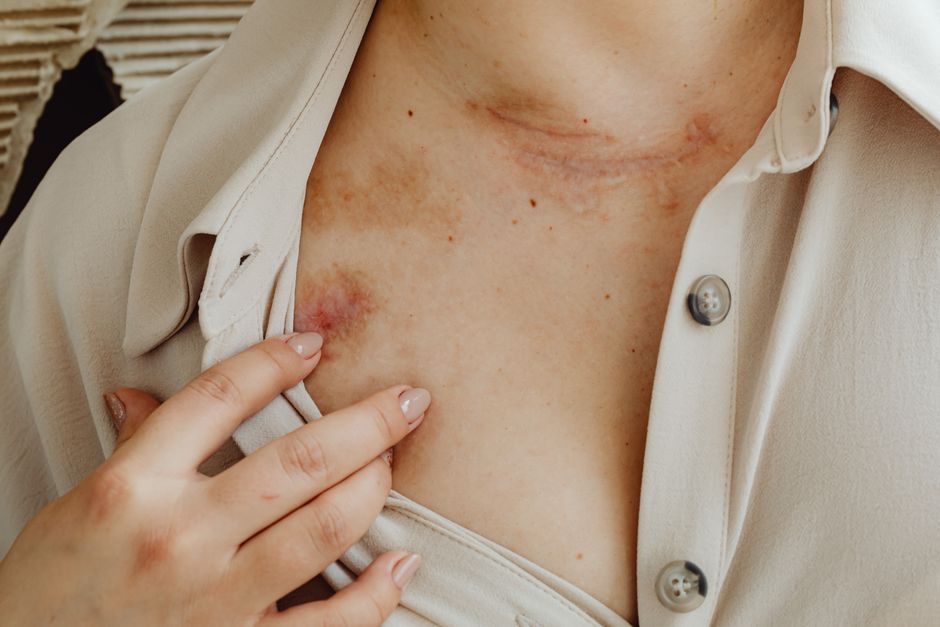
An open wound needs three things: bleeding control, thorough cleaning, and a protective dressing. Most minor cuts and scrapes heal well with simple home care. The steps below are the same ones clinicians use, and doing them in the right order matters more than doing them perfectly.
How you clean a wound in the first few minutes shapes how well it heals. Dirt, bacteria, and debris left in a wound raise the risk of infection and can slow healing or leave a scar. Getting the basics right is not complicated. Knowing when a wound needs medical care is the part most people get wrong.
What Should You Do First When a Wound Is Bleeding?
Stop the bleeding before anything else. Apply firm, steady pressure directly on the wound with a clean cloth or sterile gauze. Hold it without lifting to check for at least several minutes.
Most small wounds stop bleeding within a few minutes of steady pressure. Small nicks and scrapes often stop on their own. Deep cuts and wounds on the scalp or face can bleed heavily because those areas have a rich blood supply, so heavy bleeding does not always mean the wound is serious.
A few things matter here:
- Press directly on the wound, not around it.
- Keep steady pressure. Lifting the cloth to peek can restart bleeding.
- If blood soaks through, add more gauze on top rather than removing the first layer.
- For a hand or arm wound, raising the area above heart level can slow bleeding while you apply pressure.
Call emergency services for bleeding that will not stop after 10 to 15 minutes of firm, continuous pressure, or for blood that spurts or flows steadily. Those signs can point to a damaged artery, which needs emergency care.
How Do You Clean an Open Wound Properly?
Rinse the wound with clean running water. Cool tap water is fine and is the standard first step for most cuts and scrapes. Running water flushes out dirt and bacteria better than a brief dab with a cloth.
Wash gently around the wound with mild soap and water. Try to keep soap out of the wound itself, since it can irritate the tissue. Do not scrub the wound bed.
Remove visible dirt, gravel, or debris with clean tweezers if it does not rinse away. If debris is deeply embedded, leave it and get medical help. Digging at it can push it deeper or cause more damage.
Skip hydrogen peroxide, rubbing alcohol, and iodine. These were once standard advice. Current guidance from wound care clinicians is that they damage healthy tissue and can slow healing. Plain water is the better choice for most wounds.
Pat the surrounding skin dry with a clean cloth, then cover the wound.
Should You Cover an Open Wound or Let It Breathe?
Cover it. The old advice to let a wound “air out” and form a scab is outdated. A clean, slightly moist wound environment heals faster and with less scarring than a dry one.
Covering a wound also keeps out dirt and bacteria and protects it from being rubbed by clothing. A simple adhesive bandage works for small cuts. For larger scrapes, use a sterile gauze pad held in place with tape, or a non-stick dressing.
Change the dressing at least once a day, and sooner if it gets wet or dirty. When you change it, look at the wound. This is your chance to catch early signs of infection.
Keep the wound covered until it has closed over or formed a scab that is not weeping. For minor wounds this is usually a matter of days. Deeper wounds take longer.
What Are the Signs a Wound Is Infected?
An infected wound usually shows itself within a few days. The signs to watch for are:
- Increasing pain, redness, or swelling after the first day or two
- Warmth around the wound
- Pus or cloudy fluid draining from it
- A bad smell
- Red streaks spreading from the wound
- Fever or chills
Some redness and mild swelling right after an injury is normal. It is the trend that matters. A wound that is getting more painful or more red after a day or two is a warning sign, not normal healing.
Red streaks moving away from the wound, fever, or feeling generally unwell need prompt medical attention. These can signal that an infection is spreading. People with diabetes, weakened immune systems, or poor circulation should watch wounds closely, since infections can progress faster and are harder to fight off.
When Does a Wound Need Medical Care?
Some wounds need a clinician, not a bandage. Get medical care if any of these apply:
- The wound is deep, gapes open, or you can see fat, muscle, or bone
- Bleeding does not stop after 10 to 15 minutes of firm pressure
- The wound is on the face, hands, feet, or over a joint
- It was caused by an animal or human bite
- It came from a dirty or rusty object, or contains embedded debris
- It is a puncture wound, such as from a nail or a tooth
- You have not had a tetanus booster in the last 5 to 10 years, depending on the wound
Deep or gaping wounds may need stitches or other closure. Timing matters: many wounds are best closed within a few hours, and some can be closed later, but the window varies. Call ahead or go to urgent care rather than waiting to see if it heals on its own.
Bites deserve special attention. Animal and human bites carry a high risk of infection and often need antibiotics or specific care. Do not just clean and cover a bite and hope for the best.
Tetanus is worth a word. The bacteria that cause tetanus live in soil and dust, so puncture wounds and dirty wounds carry more risk. If you are unsure when you last had a tetanus shot, tell the clinician. They can advise whether a booster is needed.
How Do You Care for a Wound While It Heals?
Keep it clean and covered, and change the dressing daily. Beyond that, a few habits support healing.
Keep the wound out of standing water. Showers are usually fine with a waterproof dressing, but soaking in a bath, hot tub, or pool can let bacteria in. Wait until the wound has closed before soaking it.
Do not pick at scabs. A scab is part of the healing process, and picking it off reopens the wound and raises the chance of scarring.
Protect the area from sun once it has healed. New skin and scars can darken with sun exposure. Covering the healed area or using sunscreen helps limit this.
General health affects healing too. Getting enough sleep, eating well, and not smoking all support the body’s ability to repair tissue. Smoking in particular reduces blood flow to the skin and is linked to slower wound healing.
One thing people often miss: diabetes that is not well controlled can slow healing and raise infection risk, sometimes before a person knows they have it. A wound that is unusually slow to heal is worth mentioning to a doctor.
What About Special Wounds?
Not all wounds heal the same way. Pressure sores, diabetic foot ulcers, and wounds from surgery or burns need care from a clinician. They can worsen quickly and are not suited to home treatment alone.
Pressure sores form where bone presses against skin, often in people who are bedbound or use a wheelchair. They can start as a red patch and get worse if pressure is not relieved. These need professional care.
Diabetic foot wounds are another category that deserves attention. Because nerve damage can dull pain and poor circulation slows healing, a foot wound can become serious before it feels like much. People with diabetes should check their feet regularly and get any wound looked at early.
For everyday cuts and scrapes, the basics hold: control bleeding, clean with water, cover, and watch for infection. Those steps handle most minor wounds well. Knowing when to get help is the safety net.
Frequently Asked Questions
Should I use hydrogen peroxide on an open wound?
No. Hydrogen peroxide and rubbing alcohol damage healthy tissue and can slow healing, so plain running water is the better choice for cleaning most wounds.
How long should a cut take to heal?
Minor cuts and scrapes usually close within a few days to about a week, while deeper wounds take longer. A wound that is not improving after several days, or is getting more painful or red, should be checked by a clinician.
Can I leave a wound uncovered overnight?
It is better to keep it covered, including overnight, to protect it from dirt and rubbing. Change the dressing at least once a day and whenever it gets wet or dirty.
When do I need a tetanus shot after a cut?
It depends on your vaccination history and the type of wound. Dirty or puncture wounds carry more risk, so tell your clinician when you last had a tetanus booster and let them advise you.
