
Sweet pea shrub is a common name that gets attached to more than one plant, and that confusion matters before you do anything else. Most often it refers to Polygala species — Polygala fruticosa and its relatives — which are evergreen shrubs grown for their small, pea-like purple or pink flowers. They are not the same as sweet peas (Lathyrus odoratus), which are annual climbing vines. The two need completely different care. This article covers the shrub, since that is what most people mean when they search this term.
Basic care comes down to three things: full sun, very well-drained soil, and restraint with water once the plant is established. Polygala shrubs are tough, low-maintenance plants that tolerate drought and poor soil far better than they tolerate wet feet. Overwatering and heavy, slow-draining soil are the most common reasons these plants decline.
One honest caveat up front: hardiness varies by species and cultivar, and some widely sold plants are only reliably hardy in mild climates. Check the specific plant’s cold tolerance before you buy, especially if you garden where winters drop below freezing.
What Plant Is Actually Called A Sweet Pea Shrub?
The name “sweet pea shrub” is applied most consistently to Polygala species, particularly Polygala fruticosa and Polygala myrtifolia. These are evergreen woody shrubs from southern Africa, grown in mild climates for their purple-pink flowers that resemble small sweet peas.
This matters because the care advice for Polygala is essentially the opposite of what sweet pea vines need. Sweet pea vines want rich, moist, cool soil and regular feeding. Polygala shrubs want lean, sharply drained soil and infrequent water. If you treat one like the other, it suffers.
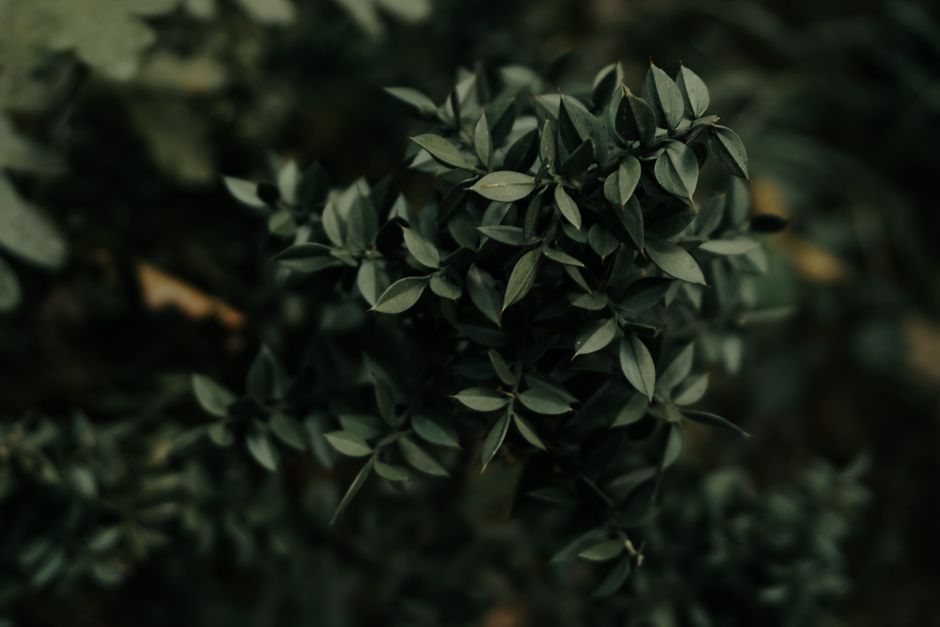
There is a second plant sometimes sold as “sweet pea shrub” — Podalyria, also from southern Africa, with similar pea-like flowers. Care is broadly comparable. If you are unsure which plant you have, look at the leaves. Polygala leaves are small and simple. If your plant has different foliage or you bought it labeled only as “sweet pea shrub,” ask the nursery to confirm the genus.
How Much Sun And What Soil Does A Sweet Pea Shrub Need?
Full sun is the single most important requirement. These shrubs flower best with at least six hours of direct sun per day. In very hot inland climates, some afternoon shade is tolerated, but heavy shade produces sparse flowers and leggy growth.
Soil drainage matters more than soil richness. Polygala evolved in gritty, fast-draining conditions and roots rot in waterlogged ground. The plant tolerates sandy, rocky, and nutrient-poor soil well. What it cannot tolerate is clay that holds water.
If your soil is heavy clay, plant on a slight mound so water drains away from the crown, or grow the shrub in a container. Amending clay with grit helps somewhat but rarely fixes drainage completely. A raised bed or pot is the more reliable solution.
On soil pH, these plants are not especially fussy. They grow across a fairly wide range and do not need the acid soil that some flowering shrubs require. Do not overthink pH unless your soil is extreme in either direction.
How Often Should You Water A Sweet Pea Shrub?
Water regularly through the first year while roots establish, then cut back sharply. Established Polygala shrubs are genuinely drought tolerant and need little to no supplemental water in mild coastal climates. In hot, dry inland summers, occasional deep watering during prolonged dry spells is reasonable.
The reliable rule is to let the top few inches of soil dry out between waterings. When in doubt, wait. These plants handle short dry periods far better than they handle constant moisture.
Signs of overwatering include yellowing leaves, leaf drop, and a soft or darkened base at the soil line — that last sign often means root rot has already set in, and it is frequently fatal. If you see it, stop watering and check drainage immediately.
Container plants need more attention than garden plants because pots dry out faster. Water when the top inch or two of potting mix feels dry, and always use a mix with excellent drainage. Never let a pot sit in a saucer of standing water.
Does A Sweet Pea Shrub Need Fertilizer?
Little to no fertilizer is needed, and this surprises many gardeners. These shrubs are adapted to nutrient-poor soils. Heavy feeding encourages soft, leafy growth at the expense of flowers and can make the plant more vulnerable to cold damage.
If your soil is extremely poor or you grow in a container, a light application of a balanced, low-nitrogen fertilizer in spring is enough. Avoid high-nitrogen products, which push foliage rather than blooms. More fertilizer is not better here — it is usually worse.
In containers, nutrients leach out with watering over time, so a modest spring feed is more justified than in garden soil. Even then, go lightly.
How Do You Prune A Sweet Pea Shrub?
Prune lightly after flowering to shape the plant and remove spent blooms. Polygala responds well to light trimming and can be kept compact. Heavy cutting back into old, leafless wood is riskier — many shrubs will not regrow from bare older stems, so avoid cutting past live growth.
The best approach is regular light shaping rather than occasional hard pruning. Remove dead or damaged stems any time. If the plant becomes leggy, tip-prune the longer shoots after the main flowering flush to encourage bushier growth.
Timing depends on your climate. In mild-winter areas, light pruning after the main bloom is safe. Where frost occurs, avoid pruning late in the season, since fresh growth is more easily damaged by cold. If you are unsure about your plant’s cold tolerance, prune conservatively and let it tell you how it responds.
What About Cold Hardiness And Winter Care?
This is where honest caution is warranted. Hardiness varies significantly between Polygala species and cultivars, and some commonly sold plants are only reliably hardy in mild, frost-free or nearly frost-free climates. Many gardeners in colder zones grow these as container plants and move them under cover for winter.
Cold damage typically shows as browned or dropped leaves and dieback of tender tips. A sheltered spot, good drainage, and avoiding late-season feeding all help. Wet cold soil is more damaging than dry cold, which is another reason drainage matters year-round.
Do not assume a plant sold locally is hardy in your garden without checking its label or asking the nursery. This is a plant where the specific cultivar’s cold tolerance genuinely determines whether it survives winter outdoors.
What Pests And Problems Affect Sweet Pea Shrub?
Few serious pests trouble healthy Polygala shrubs. The main threat is root and crown rot from excess moisture, which is a cultural problem rather than a pest. Good drainage prevents most of it.
Occasional issues include aphids on new growth and, in some regions, scale insects. These are usually manageable and rarely serious on a vigorous plant. Poor flowering is more often a light problem than a pest problem — too much shade reduces blooms.
Yellowing leaves can have several causes: overwatering, cold damage, or simply older leaves aging and dropping naturally. Because the same symptom points to different problems, look at the whole plant — the base, the new growth, and the soil moisture — before deciding what is wrong.
Can You Grow Sweet Pea Shrub In A Container?
Yes, and containers are a practical choice in colder climates or where soil drainage is poor. Use a large pot with plenty of drainage holes and a gritty, fast-draining potting mix. Water when the top inch or two dries out, and feed lightly in spring.
Container growing also lets you move the plant to shelter during cold snaps, which extends its useful range beyond its outdoor hardiness. The trade-off is more frequent watering in summer, since pots dry faster than garden soil.
Frequently Asked Questions
Is sweet pea shrub the same as sweet pea flowers?
No. Sweet pea flowers come from Lathyrus odoratus, an annual climbing vine, while sweet pea shrub usually refers to evergreen Polygala shrubs. The two plants need very different care and should not be treated the same way.
How often should I water a sweet pea shrub?
Water regularly during the first year to establish roots, then only occasionally once the plant is established. Let the soil dry between waterings, because overwatering causes root rot.
Does sweet pea shrub need full sun?
Yes, it flowers best with at least six hours of direct sun daily. Too much shade leads to sparse flowers and leggy growth.
Is sweet pea shrub cold hardy?
Hardiness varies by species and cultivar, and some are only reliably hardy in mild climates. Check the specific plant’s cold tolerance before buying, and consider a container you can shelter in winter.
