
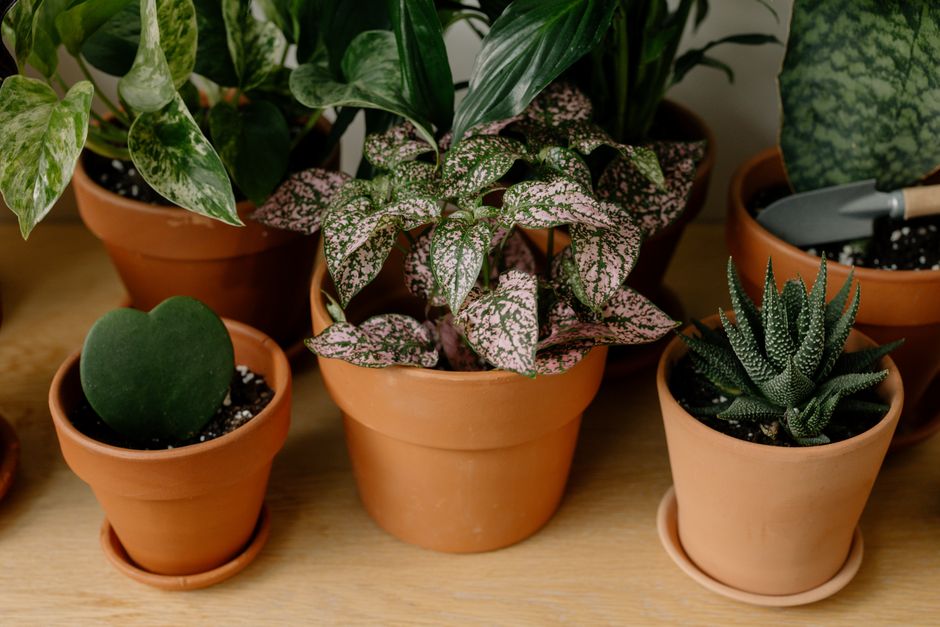
A Hoya Pink Silver Ghost is a variegated cultivar of Hoya, a tropical epiphyte that grows on tree bark in nature rather than in soil. Caring for it means giving it bright indirect light, a very loose and fast-draining potting mix, thorough watering only after the mix dries, and warm temperatures with moderate to high humidity. The pink and silver coloring in the leaves is a variegation pattern, and preserving it depends mostly on getting the light right.
What Kind of Plant Is a Hoya Pink Silver Ghost?
It is a variegated form of Hoya, a genus of climbing plants in the dogbane family (Apocynaceae) native to tropical Asia and Australia. In the wild, most hoyas are epiphytes. They grow on tree branches and rock faces, sending roots into crevices and pulling moisture and nutrients from rain, leaf litter, and humid air.
That background explains almost every care decision you will make indoors. An epiphyte does not want dense, water-retaining soil. It wants air around its roots, fast drainage, and a pot that never sits soggy.
Hoyas are also known for their thick, waxy leaves and their clusters of small, star-shaped flowers. The Pink Silver Ghost is grown mainly for its foliage. The leaves carry a mix of green, silvery-white, and pink tones, and that coloring is the plant’s main draw.
How Much Light Does a Hoya Pink Silver Ghost Need?
Bright indirect light is the target. A spot a few feet back from a sunny window, or near an east- or west-facing window with a sheer curtain, usually works well.
Light matters more for a variegated hoya than for a plain green one. The pale and pink sections of the leaf contain less chlorophyll, the green pigment that captures light for photosynthesis. Because those areas contribute less energy, the plant needs reasonably good light overall to stay healthy and keep its pattern.
Here is a point that often gets confused: variegation is a genetic trait, not something you create with light. Strong light helps a variegated plant hold its coloring and grow well, but it will not turn a green hoya pink. What light does influence is how vivid and compact the plant looks.
Too little light tends to produce stretched, leggy growth and can cause the plant to lose some of its brighter coloring. Direct, harsh midday sun can scorch the thin, pale leaf sections. Aim for bright but filtered.
How Should You Water a Hoya Pink Silver Ghost?
Water thoroughly, let the excess drain away, and then wait until the potting mix is nearly dry before watering again. The plant tolerates short dry spells far better than it tolerates staying wet.
Hoyas are prone to root rot when their roots sit in waterlogged soil. This is the single most common way these plants die indoors. The roots need oxygen, and constant moisture suffocates them.
Practical watering habits that help:
- Check the mix with a finger or a wooden stick before watering. If it still feels damp an inch or two down, wait.
- Always use a pot with drainage holes, and empty the saucer or cachepot so the plant never stands in water.
- Water less often in winter, when growth slows and the plant uses less water.
- Water more carefully in summer, when active growth increases demand.
Watering frequency depends on your home’s temperature, humidity, pot size, and mix. There is no fixed schedule that fits every plant. Let the soil tell you when to water rather than the calendar.
What Kind of Soil and Pot Does It Need?
A loose, chunky, fast-draining mix is essential. Ordinary potting soil holds too much water for an epiphyte like this.
A suitable mix combines ingredients that create air pockets and drain quickly. Common components include orchid bark, perlite, and coarse materials that keep the mix from compacting. Many growers use a mix built around bark and perlite rather than standard peat-based soil.
The pot matters too. Choose one with drainage holes, and avoid sizing up too fast. A pot that is far larger than the root ball holds excess moisture the roots cannot use, which raises the risk of rot. Repot when the plant is root-bound or the mix has broken down, not on a fixed schedule.
Because hoyas are epiphytes, some growers mount them on bark or grow them in very chunky media. That approach mimics their natural habitat, but it demands more frequent attention to moisture. For most indoor growers, a well-draining mix in a drained pot is the practical choice.
What Temperature and Humidity Does It Prefer?
Warm room temperatures and moderate to high humidity suit this plant. It comes from tropical conditions and does not like cold drafts or sudden temperature swings.
Ordinary household temperatures are usually fine. Keep the plant away from cold windows in winter, air-conditioning vents, and drafty doorways. Cold stress can damage the leaves and slow growth.
Humidity is where homes often fall short. Higher humidity supports healthy leaves and growth. You can raise humidity around the plant with a pebble tray, a humidifier, or by grouping plants together. There is no single required humidity number that applies to every home, so watch the plant rather than chasing a specific figure.
Should You Fertilize a Hoya Pink Silver Ghost?
Light feeding during active growth is reasonable. Hoyas are not heavy feeders, and more fertilizer is not better.
A balanced, diluted fertilizer applied during the growing season is a common approach. Many growers feed less often, or not at all, in winter when growth slows. Overfeeding can harm roots and cause problems, so a cautious approach is sensible.
Be careful with claims that a particular fertilizer will “bring out” the pink coloring. No product reliably changes a plant’s genetic variegation. Good light and overall health are what keep a variegated plant looking its best.
How Do You Handle Pests and Common Problems?
Hoyas can attract common houseplant pests, especially when stressed. Watch for mealybugs, spider mites, and scale, which tend to hide on the undersides of leaves and in leaf joints.
Inspect new plants before bringing them home, and check your hoya regularly. Early detection makes pests much easier to manage. If you find pests, isolate the plant from others while you deal with the problem.
Other common issues usually trace back to care:
- Yellowing or mushy leaves often point to overwatering and root problems.
- Wrinkled or limp leaves can suggest the plant is too dry or its roots are damaged.
- Leggy, stretched growth usually means the light is too low.
- Scorched pale patches can follow too much direct sun.
When a plant struggles, check the roots and the watering routine first. Most hoya problems indoors come down to water and light.
Do You Need to Prune or Train a Hoya Pink Silver Ghost?
Pruning is optional and mainly about shape and size. Hoyas are natural climbers, so many people give them a trellis or support to climb rather than letting them sprawl.
If you prune, be aware that hoya flowers form on specialized structures called peduncles, which are the stalks that held previous flower clusters. These can rebloom in later seasons. Cutting them off removes future flowering sites, so trim carefully if flowers matter to you.
Training the plant onto a support early helps it grow upward and keeps it tidy. It also suits the plant’s natural climbing habit.
Is a Hoya Pink Silver Ghost Safe Around Pets?
Hoyas are generally considered non-toxic to cats and dogs. This is a widely cited point in pet-safety plant references, and it is one reason hoyas are popular in homes with animals.
Being non-toxic does not mean a pet should eat the plant. Chewing on any plant can cause mild stomach upset, and large amounts of plant material can bother an animal’s digestive system. Keep plants out of reach of pets that chew, and contact your veterinarian if a pet shows signs of illness after eating any plant.
Frequently Asked Questions
How often should I water a Hoya Pink Silver Ghost?
Water when the top of the potting mix feels nearly dry, not on a fixed schedule. Frequency depends on your home’s light, temperature, humidity, and pot size.
Why is my Hoya Pink Silver Ghost losing its pink color?
Variegation is genetic, but low light can make the brighter coloring fade and growth become leggy. Move it to brighter indirect light and check that it is not staying too wet.
Is a Hoya Pink Silver Ghost safe for cats and dogs?
Hoyas are generally considered non-toxic to cats and dogs. Even so, keep the plant out of reach of pets that chew, and call your vet if a pet becomes ill after eating any plant.
Does a Hoya Pink Silver Ghost need high humidity?
It prefers moderate to high humidity, though ordinary home conditions often work. Keep it away from cold drafts and dry air from heating and cooling vents.
