
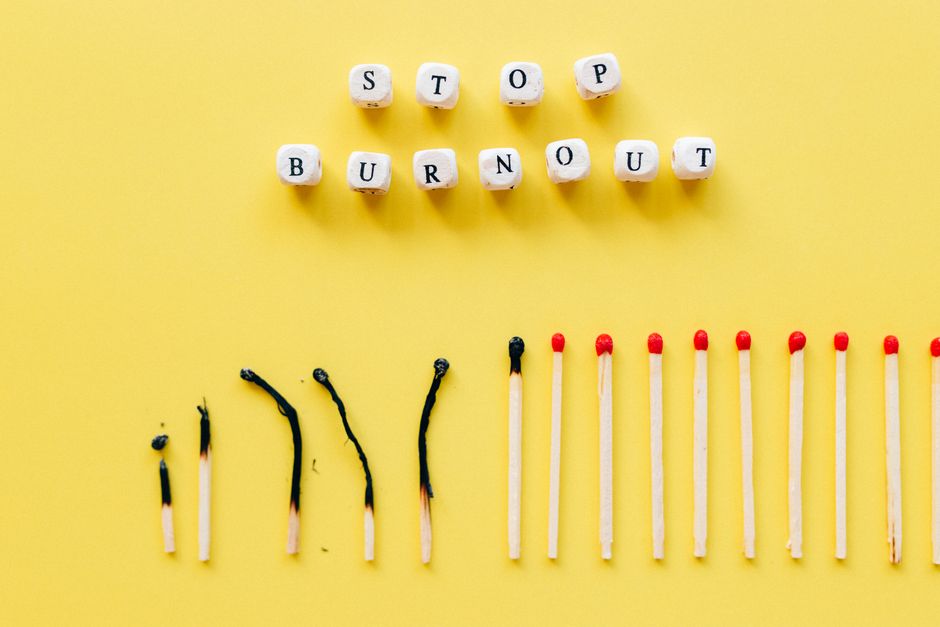
Caring for yourself again after burnout or depression starts with lowering your expectations and rebuilding basic routines one small step at a time. You do not need to feel motivated first. Action comes before motivation, not after it. Begin with sleep, food, and water. Then add gentle movement and human connection. Progress is measured in days, not in how you feel each hour.
What Is The Difference Between Burnout And Depression?
Burnout and depression feel similar, but they are not the same condition. Burnout is usually tied to chronic stress, often from work or caregiving. Depression is a clinical condition that affects mood, energy, and thinking.
Burnout tends to improve when the stressor is removed or managed. Depression often requires treatment even after stress is reduced. A doctor or mental health professional can help you tell the difference. That distinction matters because the care plan may look different.
Both conditions share symptoms like exhaustion, irritability, and loss of interest. But depression can also include persistent sadness, hopelessness, and changes in sleep or appetite that last for weeks. If you have thoughts of self-harm or suicide, contact a crisis line or go to an emergency room immediately.
Why Does Self-Care Feel Impossible Right Now?
When you are burned out or depressed, self-care feels like one more chore. That is not laziness. It is a symptom.
Burnout drains your emotional reserves. Depression can flatten your ability to feel pleasure or anticipation. Both conditions make it hard to imagine that an action will lead to a good outcome. So your brain says, “Why bother?”
This is why traditional advice like “take a bubble bath” or “treat yourself” often fails. These activities require emotional energy you do not have. What works better is care that is practical, small, and tied to survival rather than pleasure.
How To Care Again After Burnout Or Depression?
The answer is to shrink the definition of self-care. It is not about indulgence. It is about meeting basic needs consistently.
Start with these three foundations in order:
- Sleep. Aim for a regular bedtime and wake time. Even if you cannot sleep, rest in bed with lights off. Consistent rest helps regulate mood over time.
- Food. Eat something every few hours. It does not need to be gourmet. A sandwich, yogurt, or fruit counts. Low blood sugar can worsen irritability and fatigue.
- Water. Dehydration can cause headaches and low energy. Keep a water bottle nearby and sip throughout the day.
These three actions are the foundation. Nothing else works well if those are missing. Once they are steady, you can add one more layer.





What Does A Realistic Recovery Routine Look Like?
A recovery routine is not a full schedule. It is a short list of non-negotiable actions you repeat daily.
A realistic routine might look like this:
- Wake at the same time each day
- Open curtains or step outside for two minutes
- Eat breakfast
- Shower or wash face
- Do one small task that moves your life forward
- Walk for five minutes
- Eat dinner at a regular time
- Wind down with something that does not involve a screen
That is it. No gym sessions required. No meditation app. No journaling. You can add those later if they appeal to you. The goal is to rebuild trust with yourself by doing what you say you will do.
How Do You Ask For Help Without Feeling Like A Burden?
Asking for help is not weakness. It is a practical decision. You would ask for help carrying a heavy box. Your brain is a heavy box right now.
Start with one person. Say something direct like, “I am struggling and I need support. Can we talk?” or “Could you help me with dinner tonight?” People who care about you often want to help but do not know how.
If you do not have a trusted person, start with a professional. A primary care doctor is a reasonable first step. They can screen for depression and refer you to a therapist or psychiatrist if needed.
Support groups, either in person or online, are another option. Hearing from others who feel the same way can reduce shame. You do not have to share anything until you are ready.
What Role Does Professional Treatment Play?
Professional treatment is often necessary, especially for depression. Therapy and medication are both well-established treatments. They work best when combined.
Cognitive behavioral therapy, or CBT, has strong evidence for treating depression and burnout-related symptoms. It helps you identify unhelpful thought patterns and change them. Some studies show it can be as effective as medication for mild to moderate depression.
Medication is not a failure. Antidepressants like SSRIs are common and well-tested. They do not change who you are. They correct a chemical imbalance that makes it hard to function. Many people find that medication gives them enough energy to do the other work of recovery.
If you are unsure where to start, your primary care doctor is a good entry point. They can provide a referral. Telehealth options also make therapy more accessible than ever.
How Long Does Recovery Take?
There is no fixed timeline. Recovery from burnout can take weeks to months. Recovery from a depressive episode often takes longer, sometimes six months to a year even with treatment.
What matters more than the timeline is the direction. If you are sleeping more regularly, eating better, or completing one small task a day, you are moving forward. Recovery is not linear. There will be bad days. That is normal and expected.
Some people feel relief within a few weeks of starting treatment. Others need to try more than one medication or therapy approach. Do not judge your progress against someone else’s story.
How Do You Handle A Bad Day Without Giving Up?
Bad days will happen. The goal is not to avoid them. The goal is to have a plan for them.
On a bad day, reduce your expectations to the absolute minimum. If you only manage to eat and brush your teeth, that counts as a win. Tomorrow is another day.
Do not make major decisions on a bad day. Do not text your boss about quitting. Do not end a relationship. Bad days distort your judgment. Wait until you feel more stable.
Have a short list of comfort actions ready. That could be calling a friend, watching a familiar show, or sitting outside for five minutes. The list should be easy and require little effort.
How To Prevent Relapse Once You Feel Better?
Feeling better does not mean you are cured. It means you have built a foundation. Maintaining that foundation takes ongoing attention.
Keep your basic routine even when you feel good. Sleep, food, and movement are not optional extras. They are maintenance.
Watch for early warning signs. Common ones include trouble sleeping, irritability, withdrawing from people, and losing interest in things you usually enjoy. If you notice these, act early. Reach out to your therapist or doctor before things get worse.
Some people benefit from continuing therapy even after symptoms improve. Others use check-ins every few months. Find what works for you and treat it as part of your health routine, like brushing your teeth.
What Should You Stop Doing To Protect Your Recovery?
Recovery requires removing things that drain you. This is often harder than adding new habits.
Stop saying yes to obligations you cannot handle. It is okay to decline invitations. It is okay to tell your boss you need to reduce your workload. You are allowed to set boundaries.
Stop comparing your recovery to others. Social media shows highlights, not reality. Your path is your own.
Stop pushing through exhaustion. Pushing through is what got you here. Rest is not a reward. It is part of the treatment.
If you are in a toxic work or home environment, recovery will be limited until that changes. That may mean changing jobs, reducing contact with certain people, or having difficult conversations. A therapist can help you plan these steps.
Frequently Asked Questions
How long should I rest before returning to normal activities?
Rest until your basic routine feels manageable, which often takes several weeks. Returning to full activity before you are ready increases the risk of relapse.
Should I tell my employer about burnout or depression?
Only if you need accommodations or medical leave, and you are comfortable doing so. You can also get documentation from your doctor without disclosing details to your team.
Can I recover from burnout without taking time off work?
Some people manage with reduced hours, boundary changes, and therapy, but full recovery is harder without some separation. If time off is not possible, work with your doctor to create a plan that limits exposure to stressors.
What is the fastest way to feel better?
There is no fast fix, but the quickest reliable step is to stabilize your sleep schedule and see a doctor for a proper assessment. Professional treatment shortens recovery time compared to going it alone.
