
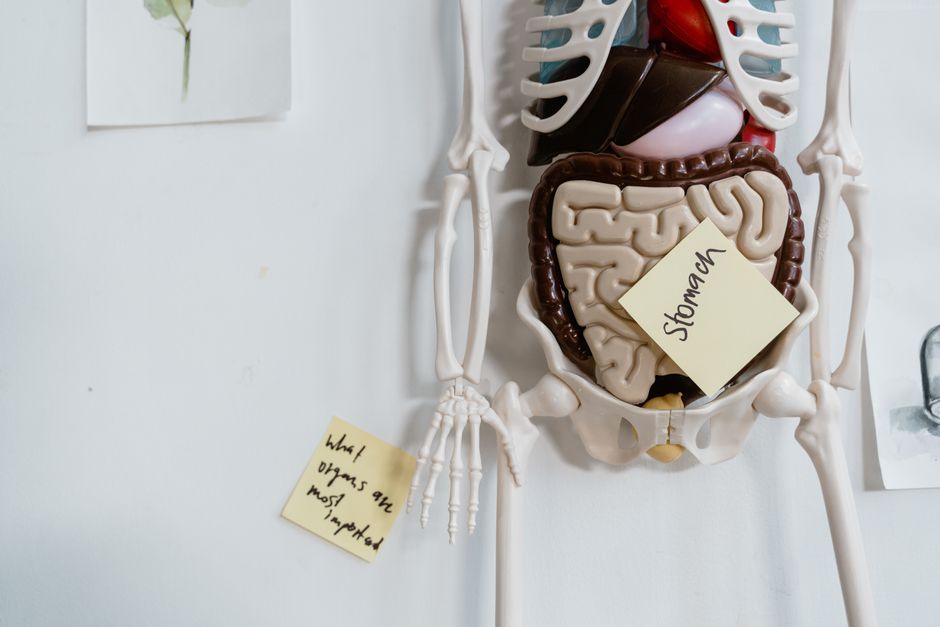
An upset stomach rarely announces itself politely. One minute you’re fine, the next your gut is cramping, gurgling, or threatening to empty itself. The fastest way to calm it down is usually simple: stop eating or drinking things that irritate it, sip small amounts of clear fluid, and give your gut a few hours of rest. Heat on the belly and slow breathing can ease cramping. Most mild stomach upset settles within a few hours to a day. If pain is severe, lasts more than a couple of days, or comes with blood, fever, or vomiting you can’t keep fluids down, that’s a reason to get medical help rather than wait it out.
What Is Actually Happening When Your Stomach Hurts?
Your stomach and intestines are muscles wrapped around a tube. When something irritates that tube, the muscles respond by contracting harder or faster than usual. That’s what you feel as cramping or gurgling.
The irritation itself can come from several places. A stomach bug, a heavy or fatty meal, too much alcohol, a food your gut doesn’t handle well, or plain stress can all set off the same response. The gut also has its own nervous system that talks constantly to the brain, which is why anxiety can produce very real stomach symptoms with no infection at all.
Most short-term stomach upset is the gut doing its job — moving irritants along and resetting. The goal of calming it isn’t to stop that process. It’s to stop adding fuel and let the muscles settle.
How To Calm Your Stomach Down Fast And Naturally?
The fastest route is subtraction, not addition. Most people reach for something to take — a soda, a snack, a supplement. The gut usually calms faster when you take things away first.
- Stop eating for a few hours. Not a full fast, just a pause. Give the muscles a break from working.
- Sip small amounts of clear fluid. Water is enough for most people. Small sips every few minutes beat a large glass all at once.
- Apply gentle heat. A warm pack or hot water bottle on the belly can relax cramped muscles. Keep it comfortably warm, not hot, and never sleep on a heating pad.
- Slow your breathing. Slow, steady breaths engage the part of the nervous system that calms the gut. It won’t fix an infection, but it can take the edge off stress-driven cramping.
- Avoid alcohol, caffeine, and very fatty or spicy food until things settle.
None of these are treatments for a specific condition. They are ways to stop irritating a gut that’s already reacting. For ordinary upset, that’s often enough.
What Should You Eat and Drink While Your Stomach Settles?
When you feel ready to eat again, start small and bland. The old advice to stick to plain, low-fat, low-fiber foods for a short stretch still holds up for most people.
Good early choices include plain crackers, rice, toast, bananas, and clear broth. These are easy to digest and unlikely to trigger more cramping. Eat slowly and stop when you feel full rather than finishing a plate.
Fluids matter more than food in the first hours. Vomiting and diarrhea both lose water and salts, and dehydration is the main risk in a stomach bug. Water works for most adults. If you’ve been vomiting or have diarrhea, an oral rehydration solution replaces salts more effectively than water alone. These are sold at pharmacies and are not the same as sports drinks, which are formulated differently.
Skip dairy, greasy food, alcohol, coffee, and very sweet drinks until you feel normal. Carbonated drinks can add gas and bloating. There’s no evidence that any of these speed recovery — they mostly just add irritation.
Do Natural Remedies for Stomach Upset Actually Work?
Some have reasonable evidence behind them. Others are marketing with no studies to back them. It’s worth knowing which is which.
Ginger has the strongest case. Some studies suggest it can reduce nausea, and it has a long history of use for that purpose. It’s not a proven cure for cramping or diarrhea, and the evidence for nausea is better than the evidence for anything else. Ginger tea or a small amount of fresh ginger is a reasonable option if nausea is your main symptom.
Peppermint may help with cramping and gas in some people. The evidence is mixed, and peppermint can worsen reflux in people prone to it, so it isn’t a universal fix.
Chamomile tea is widely used for settling the stomach. The clinical evidence is limited. It’s low-risk for most adults, but “low-risk” is not the same as “proven to work.”
Probiotics are heavily marketed for gut health. The evidence is genuinely mixed and depends heavily on the specific strain and the specific problem. No probiotic is proven to calm an acute upset stomach quickly. Anyone claiming otherwise is ahead of the science.
One clarification worth making: “natural” doesn’t mean harmless. Herbal products can interact with medications and aren’t tightly regulated for purity or dose. If you take prescription medicine or are pregnant, check with a pharmacist or clinician before using herbal remedies.
When Is Stomach Pain a Reason To Get Help?
Most stomach upset is self-limiting and settles on its own. Some symptoms are different. They point to something that needs medical attention rather than home care.
Get medical help if you have:
- Pain that is severe, constant, or getting worse rather than easing
- Pain focused in one spot, especially the lower right abdomen
- Blood in your vomit or stool, or black tarry stool
- Fever with severe abdominal pain
- Vomiting you can’t keep fluids down with, or signs of dehydration such as dizziness, dark urine, or not urinating
- Stomach symptoms that last more than a couple of days without improving
- Unexplained weight loss or trouble swallowing
These aren’t meant to alarm you. They’re the signs clinicians use to separate ordinary upset from something that needs a look. If you’re unsure, err toward getting checked. In older adults and people with other health conditions, dehydration and complications can develop faster than expected.
Can Stress Really Cause Stomach Pain?
Yes, and it’s well established. The gut and brain are connected by a dense network of nerve signaling, often called the gut-brain axis. Stress changes how the gut moves, how sensitive it is, and how much acid the stomach produces.
That’s why anxiety can produce real cramping, nausea, or a churning feeling with no infection and no bad food. It’s also why calming the nervous system — slow breathing, a quiet room, a short walk — can genuinely reduce symptoms in stress-driven stomach upset.
For people with recurring stomach problems tied to stress, the fix isn’t a single remedy. It’s addressing the stress itself over time, which may mean sleep, movement, and support from a clinician if symptoms are frequent.
What Makes Stomach Upset Worse?
Some common habits prolong stomach upset rather than shorten it. Knowing them helps you avoid making things worse while you wait it out.
Reaching for coffee or an energy drink to push through is one. Caffeine stimulates the gut and can increase cramping and urgency. Alcohol is another — it irritates the stomach lining and adds to dehydration. Large meals, very fatty food, and heavy dairy can all slow settling.
Another is taking anti-diarrheal medication too early. In some cases, especially with fever or bloody stool, slowing the gut can trap the cause rather than help. Over-the-counter stomach remedies have a place, but they aren’t right for every situation, and they don’t replace medical care when symptoms are serious.
Finally, lying flat right after eating or drinking a lot can worsen reflux and nausea. Staying upright for a while after eating is a simple habit that helps many people.
Frequently Asked Questions
How long does an upset stomach usually last?
Most mild cases settle within a few hours to a day or two. If symptoms last more than a couple of days without improving, or get worse, see a clinician.
What is the fastest way to settle a stomach ache?
Stop eating for a few hours, sip small amounts of clear fluid, and apply gentle heat to the belly. These steps reduce irritation and let cramped muscles relax.
Does ginger really help an upset stomach?
Some studies suggest ginger can reduce nausea, and it’s a reasonable option if nausea is your main symptom. The evidence is weaker for cramping or diarrhea.
When should I worry about stomach pain?
Get help for severe or worsening pain, pain in one spot, blood in vomit or stool, fever with severe pain, or signs of dehydration. These signs warrant a medical check rather than home care.
