
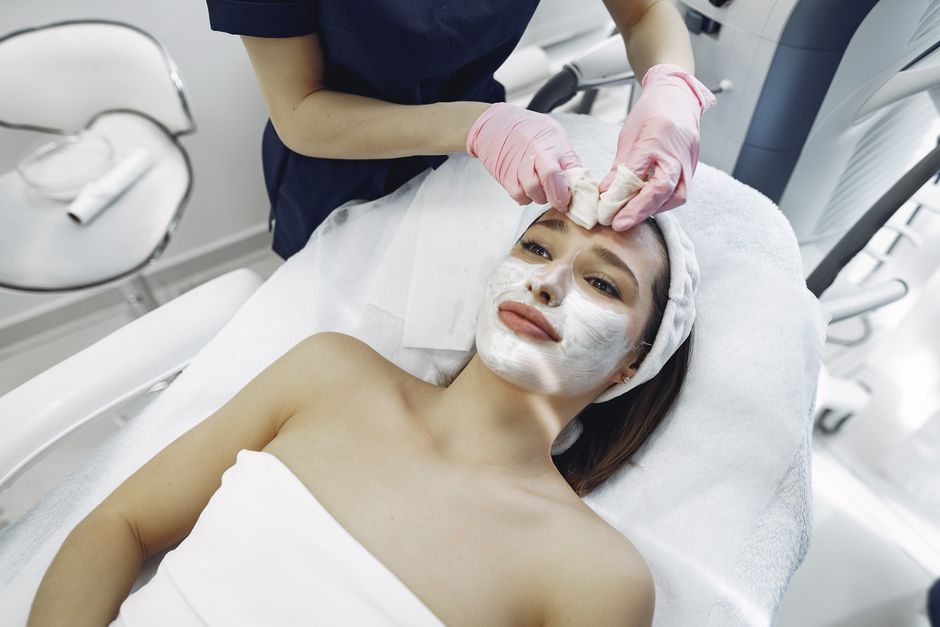
Red, irritated skin is a common problem, and it can happen to anyone. The good news is that calming it down usually follows a simple path: remove the trigger, cool the skin, and protect the barrier. Start by washing with lukewarm water and a gentle cleanser, then apply a thick, fragrance-free moisturizer while skin is still damp. For immediate relief, a cool compress can reduce heat and itching. The most important step is identifying what caused the flare-up, as avoiding the trigger is the only way to prevent it from returning.
What Causes Red Skin in the First Place?
Redness happens when blood vessels near the surface of your skin widen. This is called vasodilation. It is your body’s natural response to inflammation, heat, or an irritant. The increased blood flow brings immune cells to the area, which is helpful for healing, but it also causes that flushed, hot, and sometimes itchy feeling.
Triggers vary widely from person to person. Common culprits include harsh skincare ingredients like alcohol, fragrances, and certain acids. Environmental factors such as extreme temperatures, wind, and sun exposure also play a major role. Some people react to specific foods, stress, or even certain fabrics like wool. In some cases, persistent redness is a sign of a chronic condition like rosacea or eczema, which may require a dermatologist’s input for long-term management.
How To Calm Red Skin: Immediate Steps That Work
When your skin is actively red and irritated, the goal is to reduce heat and inflammation quickly. These are the steps dermatologists most often recommend for an acute flare-up.
First, wash your face with a very gentle cleanser. Look for one that is soap-free and labeled for sensitive skin. Use lukewarm water—hot water strips oils and cold water can shock the skin. Pat your face dry with a soft towel. Do not rub.
Next, apply a cool compress. Soak a clean cloth in cool water, wring it out, and lay it over the red area for 5 to 10 minutes. You can repeat this a few times a day. The cool temperature constricts blood vessels, which visibly reduces redness and soothes the burning sensation.
Finally, lock in moisture. While your skin is still damp, apply a moisturizer with ceramides or squalane. These ingredients help repair the skin barrier. A damaged barrier lets irritants in and moisture out, which makes redness worse. A thicker cream or ointment works better than a thin lotion during a flare-up.
Which Ingredients Actually Soothe Red Skin?
Not all skincare ingredients are equal when it comes to calming redness. Some have strong evidence behind them. Others are mostly marketing. Here is what is worth looking for in your products.
Niacinamide is a form of vitamin B3. Studies have shown it can reduce inflammation and strengthen the skin barrier. It is well-tolerated by most skin types and appears in many serums and moisturizers.
Centella Asiatica, also known as cica or tiger grass, has been used in traditional medicine for centuries. Modern research supports its anti-inflammatory properties. It is a common ingredient in Korean skincare for sensitive skin.
Aloe Vera is a classic for a reason. It contains compounds that reduce inflammation and provide a cooling sensation. It works best for mild sunburn or heat-related redness. For eczema or rosacea, it may not be enough on its own.
Oatmeal is another well-studied option. Colloidal oatmeal has been shown to calm itchy, irritated skin. It is often found in bath treatments and body lotions designed for sensitive skin.
Avoid these ingredients during a flare-up: alcohol, essential oils, fragrance, and harsh exfoliating acids like glycolic acid or salicylic acid. These can strip the skin and make redness significantly worse.





When Should You See a Doctor for Red Skin?
Most redness resolves on its own within a few hours or days. But some situations require professional medical advice. If your skin is red, swollen, and painful, or if it is oozing or crusting, you may have an infection. That needs a doctor’s evaluation.
Persistent redness that lasts for weeks should also be checked. Conditions like rosacea, eczema, and contact dermatitis have specific treatments that work better than general over-the-counter products. A dermatologist can give you an accurate diagnosis and prescribe stronger options like topical steroids or calcineurin inhibitors if needed.
Also see a doctor if the redness is accompanied by fever, if it spreads rapidly, or if it appears after starting a new medication. These could be signs of a more serious allergic reaction. Do not wait to see if it improves on its own in these cases.
How To Prevent Red Skin Flare-Ups Long-Term
Prevention is the most effective treatment for recurring redness. Once you know what triggers your skin, you can build a routine that avoids those triggers.
Keep your skincare routine simple. Use a gentle cleanser, a moisturizer, and sunscreen. That is the core. Add active ingredients like retinoids or vitamin C only when your skin is calm, and introduce them one at a time. This way, if you have a reaction, you know exactly which product caused it.
Sunscreen is non-negotiable. Sun exposure dilates blood vessels and damages the skin barrier. Choose a mineral sunscreen with zinc oxide or titanium dioxide. These sit on top of the skin and are less likely to irritate than chemical sunscreens.
Pay attention to your environment. Dry indoor air in winter can trigger redness. A humidifier in your bedroom can help. In hot weather, stay in the shade and avoid peak sun hours. Also, be mindful of what touches your face—your phone screen, pillowcase, and even your hands can transfer irritants.
Lifestyle Factors That Influence Skin Redness
Your skin is connected to the rest of your body. What you eat, how you sleep, and how you manage stress all affect how your skin looks and feels.
Spicy foods, alcohol, and hot drinks can trigger flushing in some people. This is especially true for those with rosacea. If you notice your face turns red after a glass of wine or a spicy meal, consider cutting back to see if it helps.
Stress is another known trigger. When you are stressed, your body releases cortisol, which can increase inflammation. Deep breathing, regular exercise, and adequate sleep are not just good for your overall health—they directly help calm your skin.
Some research suggests that certain foods may help reduce inflammation. Omega-3 fatty acids found in fish like salmon and in flaxseed have anti-inflammatory properties. Green tea contains antioxidants that may also support skin health. However, no food has been proven to cure redness. Think of diet as one piece of the puzzle, not the whole answer.
How To Calm Red Skin Steps Ingredients Triggers: A Quick Recap
If you are dealing with red skin right now, here is the full sequence to follow. First, identify the trigger. Was it a new product, sun exposure, or something you ate? Remove that trigger immediately.
Then, wash gently with lukewarm water and a fragrance-free cleanser. Apply a cool compress for 5 to 10 minutes. Follow with a ceramide-rich moisturizer while skin is still damp.
For ongoing care, choose products with niacinamide, centella, or oatmeal. Avoid alcohol, fragrance, and harsh acids. Use sunscreen daily. Keep your routine simple and consistent.
If the redness does not improve within a week, or if it is painful, oozing, or spreading, see a doctor. Red skin is usually temporary and manageable, but it can also be a sign of something that needs medical treatment.
Frequently Asked Questions
How long does it take for red skin to calm down?
Mild redness from irritation or heat usually fades within a few hours to a day. Chronic conditions like eczema or rosacea may take several days of consistent treatment to improve.
Can ice directly on the skin help with redness?
Do not apply ice directly to skin, as it can cause frostbite and further damage. Use a cool, damp cloth or a wrapped ice pack for short periods of 5 to 10 minutes instead.
Is it safe to use makeup on red skin?
Mineral makeup with zinc oxide or titanium dioxide is generally safe and can even provide gentle protection. Avoid heavy liquid foundations with fragrance or alcohol, which can worsen irritation.
Does drinking water help reduce skin redness?
Staying hydrated supports overall skin health, but drinking water alone will not stop an active flare-up. Redness is driven by inflammation and blood flow, not dehydration.
