
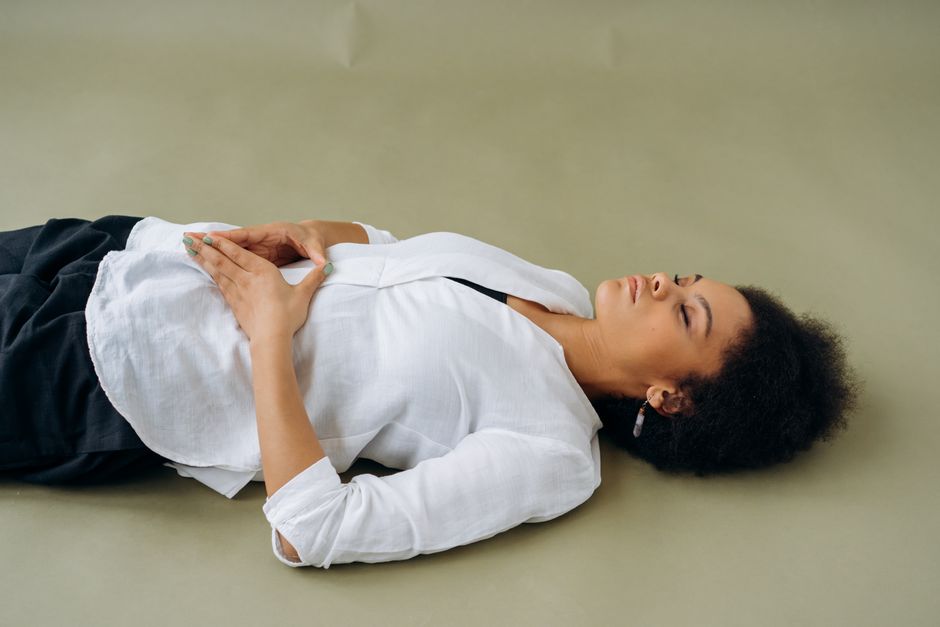
Anxiety can hit like a wave, making your heart race and your thoughts spin. The fastest way to calm yourself down is to use your breath: breathe in slowly for four counts, hold for four counts, and breathe out for six counts. This simple pattern signals your nervous system to shift from alarm mode to rest mode within minutes. Once your breathing steadies, you can then use a grounding technique or a quick mental shift to keep the calm going.
What Actually Happens in Your Body During Anxiety?
When anxiety strikes, your body is preparing for a threat that is not really there. Your adrenal glands release cortisol and adrenaline. Your heart beats faster. Your breathing gets shallow and quick. Blood flow shifts away from your stomach and into your large muscles. This is called the fight-or-flight response.
This response is ancient. It helped humans survive predators. The problem is that your brain triggers it now for things like a work email or a crowded store. Knowing this helps because it means the physical feelings are not dangerous. They are just uncomfortable. Your body is doing exactly what it was designed to do.
One non-obvious fact is that anxiety and excitement produce nearly identical physical sensations. Racing heart, quick breath, sweaty palms — both states feel the same. The difference is how you label it. If you can shift your thinking from “I am scared” to “I am ready,” your body often follows. Current research suggests this cognitive reframing changes brain activity in the prefrontal cortex within seconds.
How Do Breathing Techniques Actually Calm Anxiety?
Breathing is the fastest tool you have because it is the only automatic body function you can also control voluntarily. When you slow your exhale, you activate the vagus nerve. This nerve runs from your brainstem down to your abdomen. It is the main highway for your parasympathetic nervous system, which is the “rest and digest” system.
The most studied breathing technique for anxiety is called box breathing. Breathe in for four counts, hold for four counts, breathe out for four counts, hold for four counts. Repeat for one to two minutes. Research from military and first responder training shows this method lowers heart rate and blood pressure in under three minutes.
Another effective method is the 4-7-8 breath. Breathe in for four counts, hold for seven counts, and breathe out for eight counts. The longer exhale is the key. It forces your heart rate to slow down because your heart naturally speeds up on the inhale and slows on the exhale. Extending the exhale extends the slowing signal.
Do not worry about doing it perfectly. The goal is not to reach a specific count. The goal is to shift your attention from the anxious thought to the physical sensation of breathing. That shift alone reduces the intensity of the anxiety.
What Grounding Techniques Work Best When Anxiety Feels Overwhelming?
Grounding pulls your focus away from internal panic and back to the present moment. The most popular method is the 5-4-3-2-1 technique. Name five things you can see, four things you can touch, three things you can hear, two things you can smell, and one thing you can taste. This forces your brain to scan your environment instead of replaying the anxious loop in your head.
Evidence indicates that grounding works because it activates the sensory cortex. This part of your brain processes real-time information from your senses. When it is busy, it cannot also run the fear circuits in the amygdala. The two compete for attention, and the present moment usually wins if you give it enough detail.
Some people report that pressing their feet firmly into the floor works just as well. The sensation of pressure sends a signal to your brain that you are in contact with something solid. This can feel reassuring when anxiety makes you feel like you are floating or disconnected from your body.
Cold water is another fast grounding tool. Splash cold water on your face or hold an ice cube in your hand. The shock of cold triggers the mammalian dive reflex, which slows your heart rate and redirects blood flow to your brain. This is a biological reflex that happens automatically and does not require you to think your way out of anxiety.





Can Changing Your Thoughts Really Calm Yourself Down from Anxiety?
Yes, but not by trying to stop the thoughts. Trying to suppress an anxious thought usually makes it stronger. This is called ironic process theory. The more you tell yourself “do not think about it,” the more your brain checks to see if you are thinking about it. That checking brings the thought right back.
A better approach is cognitive defusion. This means noticing the thought without buying into it. Instead of thinking “I am going to fail,” you shift to “I am having the thought that I am going to fail.” The small change in wording creates distance. You are not the thought. You are the person observing the thought.
Studies have found that labeling your emotion also reduces its intensity. When you say to yourself “I am feeling anxious right now,” you activate the prefrontal cortex. This part of the brain helps regulate emotions. The simple act of naming the feeling calms the amygdala down. It is like turning on the lights in a dark room. The monster is still there, but it looks a lot less scary.
One thing to avoid is telling yourself to “just calm down.” This rarely works because it adds pressure. You end up feeling anxious about being anxious. Instead, try saying “I am having a wave of anxiety, and waves pass.” This phrasing respects the feeling without fighting it.
| Technique | Time to Effect | How It Works |
|---|---|---|
| Box breathing | 1-3 minutes | Activates vagus nerve, slows heart rate |
| 5-4-3-2-1 grounding | 30-60 seconds | Shifts focus from internal fear to external senses |
| Cold water splash | Immediate | Triggers mammalian dive reflex, slows heart rate |
| Labeling the emotion | Seconds | Activates prefrontal cortex, calms amygdala |
What Should You Avoid When Trying to Calm Down from Anxiety?
Do not reach for alcohol or caffeine. Alcohol might feel calming at first, but it disrupts sleep and can increase anxiety the next day. Caffeine triggers the same physical response as anxiety — increased heart rate, jitteriness, shallow breathing. Drinking coffee when you are already anxious can make the physical symptoms much worse.
Avoid scrolling through your phone. Social media and news apps are designed to keep your brain alert. The constant stream of information activates your brain’s reward system and keeps your stress hormones elevated. Instead, look at a blank wall or out a window for two minutes. This gives your brain a real break.
Do not try to solve the problem that caused the anxiety while you are still in the middle of the panic. Your prefrontal cortex is less active during high anxiety. You will not think clearly. Trying to problem-solve usually leads to more frustration and more anxiety. Wait until your breathing slows and your body feels calmer before you address the issue.
One more thing to avoid is comparing your anxiety to others. Some people report that telling themselves “other people have it worse” makes them feel ashamed rather than calm. Shame increases cortisol. It does not reduce anxiety. Be kind to yourself. Anxiety is not a character flaw. It is a biological response that sometimes misfires.
What Are Practical Steps You Can Take Right Now?
If you are reading this while feeling anxious, start with your breath. Inhale slowly through your nose for four seconds. Hold for four seconds. Exhale through your mouth for six seconds. Do this five times. Do not rush. Let your exhale be longer than your inhale.
Next, name three things you can see in the room. Say them out loud if you can. “I see a blue lamp. I see a brown table. I see a white wall.” This pulls your brain into the present moment. Then name two things you can feel. “I feel my feet on the floor. I feel the fabric of my shirt.” End with one thing you can hear. “I hear the hum of the refrigerator.”
If you are still feeling anxious, place one hand on your chest and one hand on your belly. Breathe slowly and feel your hands move. This is a form of self-soothing touch. It releases oxytocin, a hormone that promotes calm and connection. It works even if you are alone.
If these steps do not help within ten minutes, consider reaching out to someone you trust. A short phone call or a text to a friend can break the anxious loop. Social connection is one of the most powerful biological calmers we have. As of 2026, research continues to confirm that talking to a supportive person lowers cortisol levels faster than any self-help technique alone.
If anxiety happens frequently or feels unmanageable, talk to a healthcare provider. Therapy and medication are effective treatments. Using these steps does not mean you should not seek professional help. Think of these techniques as first aid for your nervous system, not a replacement for medical care.
Frequently Asked Questions About calm myself down from anxiety
What is the fastest way to calm myself down from anxiety?
The fastest way is to lengthen your exhale. Breathe in for four counts and out for six counts for one to two minutes. This activates the vagus nerve and slows your heart rate.
Can breathing exercises really stop a panic attack?
Breathing exercises can reduce the intensity of a panic attack but may not stop it completely. They work best when used at the first sign of rising anxiety before the panic peaks.
Why does cold water help with anxiety?
Cold water triggers the mammalian dive reflex, which slows your heart rate and redirects blood flow to your brain. This biological reflex works automatically without requiring you to think your way out of anxiety.
How long does it take for grounding techniques to work?
Most grounding techniques like the 5-4-3-2-1 method work within 30 to 60 seconds. The key is to focus on detailed sensory information rather than rushing through the steps.
