
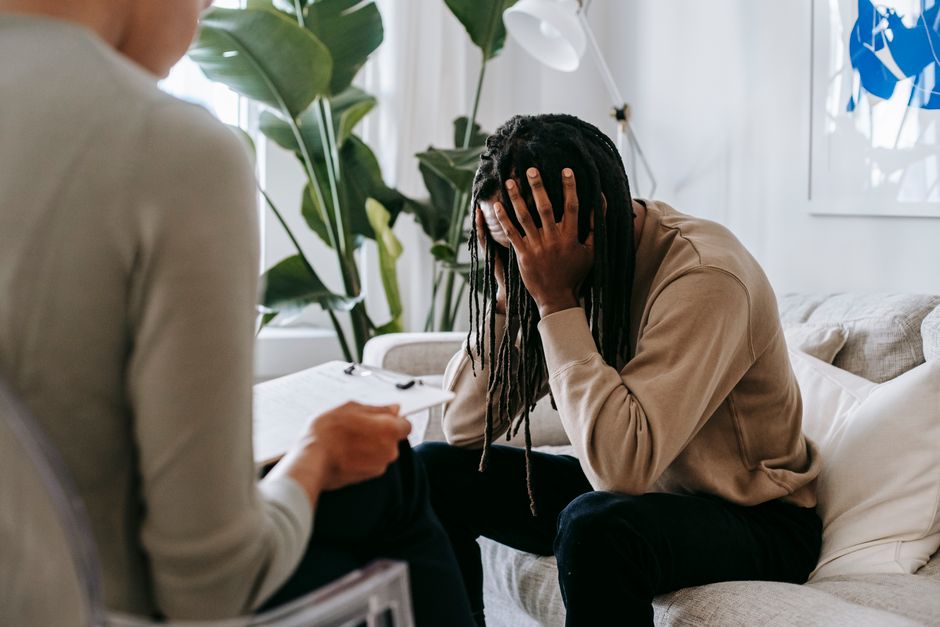
Anxiety can spike in seconds, and the fastest way to bring it down is to change your breathing and ground your attention in the present moment. Slow, extended exhales activate the part of your nervous system that calms the body’s stress response. Simple grounding techniques pull your mind away from the spiral and back to what is happening right now. These steps work quickly because they work with your body’s own wiring, not against it.
What Happens in Your Body During an Anxiety Spike?
Anxiety triggers the sympathetic nervous system, which controls your fight-or-flight response. Your body releases adrenaline and cortisol. Your heart rate climbs. Breathing gets shallow and fast. Blood moves toward your large muscles, preparing you to run or fight.
This response is useful when you face real danger. It becomes a problem when it fires during a work meeting, a crowded store, or at 2 a.m. when nothing is actually threatening you.
The key insight is that this system runs in a loop. Your brain senses a threat, your body revs up, and those physical sensations then signal back to your brain that danger is still present. The pounding heart and tight chest become proof that something is wrong. That feedback keeps the cycle going.
The good news is that this loop can be interrupted from the body side. You do not have to think your way out of anxiety first. Changing your physical state sends a new signal to your brain: the threat has passed.
How Do You Calm Anxiety Immediately With Breathing?
Slow breathing with a longer exhale is one of the most reliable ways to calm anxiety in the moment. This is not a relaxation trick. It works through a specific nerve pathway.
The vagus nerve connects your brain to your heart, lungs, and digestive tract. It is the main nerve of the parasympathetic nervous system, which handles rest and recovery. When you breathe slowly, especially with exhales longer than inhales, vagal activity increases. Your heart rate slows. Blood pressure eases. Muscles begin to release tension.
Here is a simple technique you can use anywhere:
- Breathe in through your nose for a count of four.
- Hold for a count of four.
- Breathe out slowly through your mouth for a count of six to eight.
- Repeat for one to two minutes.
The exact counts matter less than the pattern. The exhale should be longer than the inhale. If counting makes you more anxious, skip the numbers and just focus on making each exhale slow and steady.
Another option is box breathing: inhale for four, hold for four, exhale for four, hold for four. This is used in military and emergency settings because it is easy to remember under pressure. Some people find the breath holds uncomfortable when anxiety is high. If that happens, drop the holds and focus only on slow exhales.
One note: breathing exercises are generally safe, but if you have a heart or lung condition, or if breath work makes you feel dizzy or panicky, stop and return to normal breathing. Some people with panic disorder find that focusing on the breath increases anxiety. Grounding techniques may work better for them.
What Is the 5-4-3-2-1 Grounding Technique?
Grounding pulls your attention out of anxious thoughts and into your physical surroundings. The 5-4-3-2-1 method is a structured way to do this.
Name five things you can see. Four things you can touch. Three things you can hear. Two things you can smell. One thing you can taste.
This works because anxiety lives in the future. It is about what might happen, what could go wrong, what you cannot control. Grounding forces your brain to process real sensory input from the present moment. That shift is hard to maintain while you are also scanning for threats that are not there.
The technique is simple enough for a child to use but effective for adults. You can do it at a desk, in a car, or in a bathroom stall. No one around you needs to know.
Some people prefer a physical anchor instead. Hold an ice cube. Press your feet firmly into the floor. Splash cold water on your face. These sensations are strong enough to interrupt the anxiety signal and give your nervous system something concrete to respond to.
-
 How to Relieve Chest Tightness from Anxiety? A Simple Guide
-
What Are Depression and Anxiety? A Simple Explanation
-
How to Sleep with Anxiety and Depression? A Simple Guide That Helps
-
How to Reduce Stress and Anxiety During Exams? A Simple Guide
-
The Genius Switch Reviews 2026. Side Effects & Scam-Checked




Does Cold Water Really Help Calm Anxiety?
Cold water on your face triggers what is called the dive reflex. Your body responds to cold water on the face by slowing your heart rate and redirecting blood flow to your vital organs. This reflex is strongest when your whole face is submerged, but even splashing cold water can have some effect.
This is a well-documented physiological response, not a folk remedy. It is sometimes used in clinical settings to help people interrupt severe anxiety or panic.
That said, the effect is temporary. It buys you a few minutes of physiological calm. Use that window to start a breathing exercise or grounding technique. Cold water alone will not resolve ongoing anxiety.
If you have a heart condition, talk to your doctor before using cold water immersion as a calming strategy. The dive reflex changes heart rhythm, and that is not safe for everyone.
What Should You Do When Anxiety Feels Overwhelming?
When anxiety escalates into a panic attack, the strategies above may feel impossible to start. That is normal. Panic makes it hard to think clearly or follow steps.
In that moment, try to ride it out rather than fight it. Panic attacks peak and then subside. They are intensely uncomfortable but not dangerous. Fighting the sensations tends to make them worse because you are adding fear on top of fear.
Remind yourself that this is a surge of adrenaline, not a heart attack or a loss of control. It will pass. Most panic attacks peak within about ten minutes, though the full episode can last longer.
After the peak passes, use one of the calming techniques above. The goal is not to prevent the panic attack once it has started. The goal is to shorten it and recover faster.
If panic attacks happen often, or if anxiety is interfering with work, relationships, or sleep, that is a sign to talk to a doctor or mental health professional. Anxiety disorders are treatable. Therapy, medication, or a combination of both can make a significant difference. Asking for help is not a sign of weakness. It is the same as getting treatment for any other health condition.
Which Simple Habits Reduce Anxiety Over Time?
The techniques above handle anxiety in the moment. They do not address the patterns that make anxiety spike so often in the first place.
Regular physical activity is one of the most consistent ways to reduce anxiety over time. It does not have to be intense. Walking, swimming, cycling, or any movement you will actually do on a regular basis helps. Exercise affects the same stress pathways that anxiety activates.
Sleep matters more than most people realize. When you are sleep-deprived, your stress response is more reactive. You are more likely to interpret neutral situations as threatening. Getting consistent sleep is not a cure for anxiety, but it makes the system less trigger-happy.
Caffeine and alcohol both affect anxiety. Caffeine is a stimulant that mimics some physical symptoms of anxiety, which can trigger a spike in people who are sensitive to it. Alcohol can feel calming at first, but it disrupts sleep and can increase anxiety the next day. Some people find that reducing or cutting out both makes a noticeable difference.
Limiting news and social media intake can help too. Constant exposure to threatening information keeps your nervous system on alert. This does not mean ignoring the world. It means being intentional about when and how much you engage.
When Should You Get Professional Help for Anxiety?
Occasional anxiety is a normal part of life. It becomes a concern when it is frequent, intense, or starts to limit what you do.
Consider talking to a professional if:
- You avoid situations because of anxiety.
- Anxiety interferes with work, school, or relationships.
- You have panic attacks.
- You struggle with sleep because of worry.
- You use alcohol or drugs to manage anxiety.
- Self-help techniques are not enough.
Treatment for anxiety disorders is well established. Cognitive behavioral therapy has strong evidence behind it. So do certain medications. Many people benefit from both. A doctor or therapist can help you figure out what fits your situation.
You do not need to wait until things are unbearable to reach out. Getting support earlier often makes the process easier.
Frequently Asked Questions
What is the fastest way to calm anxiety?
Slow breathing with an exhale longer than the inhale is one of the fastest methods because it directly activates the parasympathetic nervous system. Cold water on the face and grounding techniques also work quickly.
Can you stop a panic attack once it starts?
You cannot always stop a panic attack once it begins, but you can shorten it by riding out the sensations instead of fighting them. Reminding yourself that it will pass helps reduce the secondary fear that makes it worse.
Does breathing into a paper bag help with anxiety?
Breathing into a paper bag is not recommended for panic or anxiety. It can lower oxygen levels and is not supported by current clinical guidance.
How long does it take for anxiety to go away?
Anxiety that lifts on its own usually eases within minutes to hours depending on the trigger. Ongoing anxiety that affects daily life often improves with treatment, though timelines vary by person and approach.
