
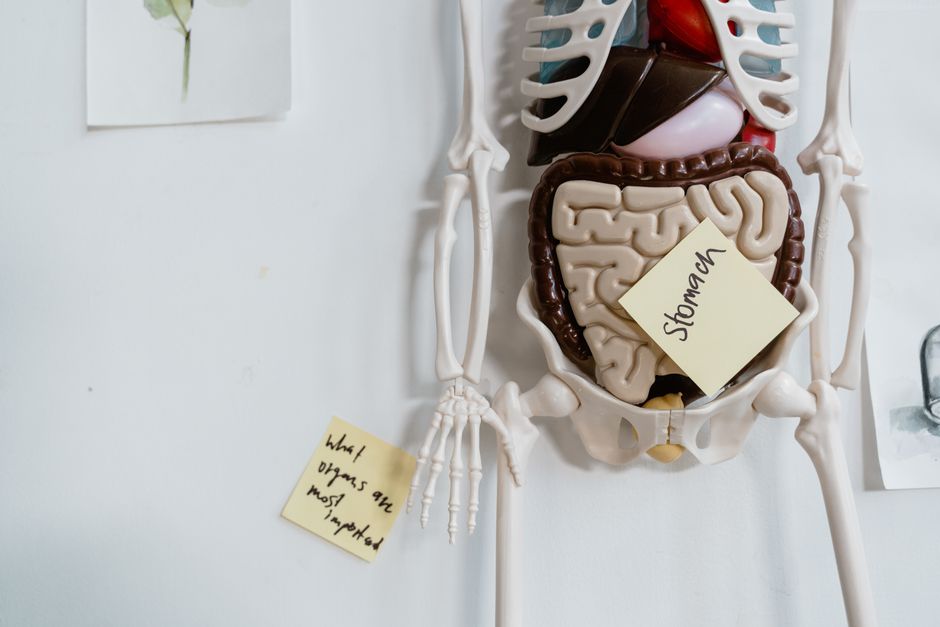
An upset stomach can stop your day in its tracks. The cramping, the nausea, the general misery — you want relief, and you want it fast. The most effective approach starts with the simplest actions: rest your stomach, sip clear fluids, and reintroduce food slowly. Here is a direct, step-by-step plan to calm an upset stomach, followed by a deeper look at what works, what doesn’t, and why.
What Is the First Step to Calm an Upset Stomach?
Stop eating. Your digestive system is already irritated or working overtime. Giving it a break for a few hours is the single most effective first move. This is not starvation — it is a short rest period that allows the stomach lining to settle and reduces the stimulation that drives nausea and cramping.
During this rest period, focus on hydration. Sip small amounts of clear liquid frequently. Water is always a safe choice. Clear broths and oral rehydration solutions are also good options. Avoid anything with caffeine, alcohol, or high sugar content. These can worsen irritation or draw water into the gut, making diarrhea worse. Take small sips every 10 to 15 minutes rather than gulping a full glass at once.
How To Calm An Upset Stomach With Food: What to Eat and What to Skip
Once you have rested your stomach for a few hours and you feel ready to eat, start with bland, low-fat foods. The classic BRAT diet — bananas, rice, applesauce, and toast — remains a reasonable starting point. These foods are easy to digest, low in fiber, and unlikely to provoke further irritation. Add plain crackers, boiled potatoes without skin, or plain oatmeal as alternatives.
Eat small portions. A few bites every hour is better than a full meal. Let your stomach signal when it is ready for more. If a food triggers pain or nausea, stop and return to liquids for another hour or two.
Avoid the foods that commonly irritate an already upset stomach:
- Dairy products, especially full-fat milk, cream, and cheese
- Fried, greasy, or heavily processed foods
- Spicy foods with chili, hot sauce, or heavy pepper
- Raw vegetables and high-fiber fruits like berries or oranges
- Caffeine from coffee, tea, or energy drinks
- Carbonated beverages, which can increase gas and bloating
- Sugar alcohols like sorbitol and xylitol, often found in sugar-free gum and candy
Reintroduce your normal diet gradually over 24 to 48 hours. Your digestive system needs time to recover its normal rhythm.
Which Over-the-Counter Remedies Actually Help?
Several non-prescription options can provide real relief, but they target different symptoms. Choosing the right one depends on what is bothering you most.
For nausea, bismuth subsalicylate — the active ingredient in products like Pepto-Bismol — has the strongest evidence behind it. It coats the stomach lining and reduces inflammation. It can also help with mild diarrhea. Do not give it to children or teenagers recovering from viral illness, as it carries a risk of Reye syndrome, a rare but serious condition affecting the brain and liver.
For diarrhea, loperamide — sold as Imodium — slows bowel movements and reduces fluid loss. It is effective for short-term, non-infectious diarrhea. Do not use it if you have a fever or blood in your stool, as these signs suggest a bacterial infection that should not be suppressed without medical guidance.
For excess gas and bloating, simethicone — found in products like Gas-X — helps break up gas bubbles in the gut. It does not stop the production of gas, but it can ease the discomfort of trapped air.
Antacids like Tums or Rolaids neutralize stomach acid and can relieve heartburn or mild acid reflux. They act quickly but do not address the underlying cause of an upset stomach. For persistent heartburn, medications like omeprazole or famotidine reduce acid production, but they take longer to work and are not intended for immediate relief.





What Natural Remedies Have Evidence Behind Them?
Ginger is the best-studied natural option for nausea. Research consistently shows that ginger can reduce nausea severity in various contexts, including pregnancy-related nausea and motion sickness. Ginger tea, chewed crystallized ginger, or ginger capsules all deliver the active compounds. A typical serving is one cup of ginger tea or roughly one gram of powdered ginger. No large human trials have established an exact effective dose for upset stomach, so start with a small amount and see how you respond.
Peppermint oil has evidence for relieving symptoms of irritable bowel syndrome, particularly bloating and abdominal pain. It works by relaxing the smooth muscle of the intestinal wall. Enteric-coated capsules deliver the oil past the stomach, where it is less likely to cause heartburn. Peppermint tea is gentler but less potent. If you have severe gastroesophageal reflux disease, peppermint can sometimes worsen heartburn by relaxing the lower esophageal sphincter.
Chamomile tea is widely used for digestive complaints, but the clinical evidence is limited. Some studies suggest it has mild anti-inflammatory and antispasmodic properties, but no large trials have confirmed a specific benefit for upset stomach. It is generally safe and pleasant, so drinking it does no harm, but do not expect it to resolve significant symptoms.
Fennel seeds or fennel tea may help reduce gas and bloating. The evidence is modest but supportive, with some studies showing reduced intestinal spasms. Chewing a teaspoon of fennel seeds after a meal is a traditional practice that has a reasonable physiological basis.
When Should You See a Doctor for an Upset Stomach?
Most upset stomachs resolve on their own within 24 to 48 hours. Certain signs should prompt medical evaluation without delay.
Seek medical care if you experience any of the following:
- Vomiting that lasts more than 48 hours or prevents you from keeping down any fluids
- Signs of dehydration, including dark urine, dizziness when standing, or dry mouth
- Blood in vomit or stool
- Fever above 101°F (38.3°C)
- Severe abdominal pain that is constant or worsening
- Pain that radiates to the back, shoulder, or chest
- Jaundice — yellowing of the skin or eyes
- Recent abdominal surgery or a known condition like inflammatory bowel disease
For pregnant women, children under five, and older adults, the threshold for seeking care is lower. These groups dehydrate faster and may not tolerate fluid loss as well. If symptoms are severe or persistent in these populations, contact a healthcare provider earlier rather than later.
Sudden, severe abdominal pain that comes on fast and stays intense can signal a condition like appendicitis, gallstones, or a bowel obstruction. Do not wait to see if it passes. These conditions require prompt medical attention.
What Steps Prevent an Upset Stomach From Returning?
Foodborne illness is one of the most common causes of acute stomach upset. Proper food handling reduces this risk substantially. Wash hands before eating and after handling raw meat. Cook meats to safe internal temperatures. Refrigerate leftovers within two hours. Avoid cross-contamination by using separate cutting boards for raw meat and produce.
If you have recurring episodes of upset stomach without a clear trigger, keep a food diary. Track what you eat, when symptoms appear, and how long they last. Patterns often emerge that point to specific triggers like lactose, gluten, or artificial sweeteners. This information is valuable to bring to a healthcare provider.
Eating habits matter as much as food choices. Eating too quickly, talking while chewing, and drinking carbonated beverages all increase the amount of air you swallow, which leads to gas and bloating. Slowing down and chewing thoroughly gives your stomach an easier job.
Stress can directly affect digestion through the gut-brain axis. The same neural pathways that regulate mood also regulate intestinal movement and secretion. This does not mean an upset stomach is “all in your head” — the symptoms are real — but it does mean that managing stress can have a genuine effect on digestive comfort. Regular physical activity, adequate sleep, and mindfulness practices have all shown benefits for digestive health in research studies.
How Long Does an Upset Stomach Usually Last?
Viral gastroenteritis — commonly called the stomach flu — typically runs its course in 24 to 72 hours. The first 24 hours are usually the worst, with symptoms gradually improving after that. Food poisoning can be shorter or longer depending on the specific bacteria or toxin involved. Some resolve within hours, while others can last several days.
If symptoms persist beyond three days without improvement, or if they improve and then suddenly worsen, medical evaluation is appropriate. Persistent symptoms could indicate a parasitic infection, food intolerance, or an underlying condition like gastritis or peptic ulcer disease.
After the acute symptoms resolve, your digestive system may remain sensitive for a few days. This is normal. The intestinal lining needs time to repair itself after inflammation. Continue with bland foods and gradually expand your diet as tolerated.
Frequently Asked Questions
Does ginger ale help settle an upset stomach?
Ginger in its natural form can help with nausea, but commercial ginger ale contains very little actual ginger and high amounts of sugar. Flat, clear soda without caffeine may be easier on the stomach than carbonated versions, but ginger tea or chewed ginger is a more effective choice.
Is it better to let an upset stomach run its course or take medication?
For mild symptoms, letting the stomach rest and focusing on hydration is often sufficient. Medication can help with specific symptoms like nausea or diarrhea, but it does not speed up recovery from a viral infection or food poisoning.
Can drinking water make an upset stomach worse?
Drinking a large volume of water quickly can stretch the stomach and trigger nausea. Small, frequent sips of water or an oral rehydration solution are better tolerated and more effective at maintaining hydration.
What is the fastest way to get rid of an upset stomach?
Stop eating, sip clear fluids slowly, and rest. These three actions give your digestive system the best chance to recover quickly. No medication or remedy will instantly cure an upset stomach, but this approach minimizes the time it takes to feel better.
