
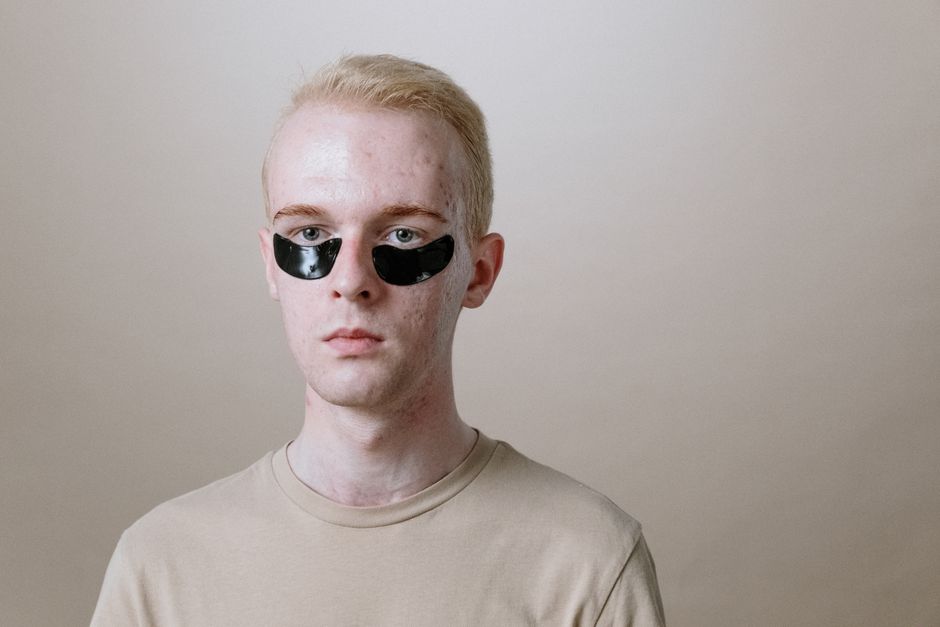
A pimple becomes red, swollen, and tender when your immune system sends inflammatory cells to the blocked pore. To calm it fast, apply a cold compress for a few minutes, use a spot treatment containing benzoyl peroxide or salicylic acid, and keep your hands off it. Most inflamed pimples shrink noticeably within 24 to 48 hours with gentle care. Squeezing makes redness worse and raises the risk of scarring.
Why Does an Inflamed Pimple Turn Red and Swell?
A pimple starts as a blocked pore. Dead skin cells and oil (sebum) plug the follicle, and the bacteria that normally live on skin, chiefly Cutibacterium acnes, multiply inside it. Your body responds by sending immune cells to the area. That response is inflammation, and it shows up as redness, heat, swelling, and tenderness.
The redness itself comes from widened blood vessels near the surface. The swelling comes from fluid and immune cells gathering at the site. This is a normal healing response, not a sign that something has gone wrong. It is also why the pimple feels warm and sore to the touch.
Understanding this matters because it explains what helps and what hurts. Anything that further irritates the skin adds to the inflammatory load. Picking, harsh scrubbing, and strong astringents all do exactly that.
What Is the Fastest Way To Calm an Inflamed Pimple and Reduce Redness?
Cold and a proven spot treatment are the two fastest-acting steps. Cold constricts blood vessels, which temporarily reduces visible redness and eases soreness. Benzoyl peroxide kills acne bacteria and reduces inflammation over the following hours to days.
Here is a practical sequence:
- Wash your hands, then gently cleanse the area with a mild, non-abrasive cleanser.
- Wrap an ice cube in a clean cloth and hold it against the pimple for about one to two minutes. Never press ice directly on skin.
- Pat dry and apply a thin layer of benzoyl peroxide spot treatment. Concentrations from 2.5% to 10% are sold over the counter; dermatologists often suggest starting at the lower end because it irritates less while working similarly well.
- Leave the spot alone for the rest of the day. Do not reapply repeatedly.
Benzoyl peroxide is one of the best-studied over-the-counter acne ingredients. Salicylic acid is another option. It helps unclog pores but is generally gentler on inflammation than benzoyl peroxide. For a red, tender, raised pimple, benzoyl peroxide is usually the stronger choice.
One clarification worth knowing: toothpaste is a common home remedy, and it is not a good one. It contains irritants that can dry and damage skin, and no clinical evidence supports it for acne.
What Should You Avoid When a Pimple Is Inflamed?
Do not squeeze, pop, or pick the pimple. This is the single most important rule. Squeezing pushes bacteria and inflammatory material deeper into the skin. It can turn a small pimple into a larger, more painful one and increases the risk of scarring and dark spots that linger for months.
Other things to skip while the pimple is angry:
- Harsh scrubs and exfoliating brushes, which add physical irritation.
- Alcohol-based toners and strong astringents, which strip the skin and can trigger more oil production.
- Heavy makeup over the spot, which can trap oil and debris.
- Multiple treatments layered at once, which raises the chance of burning or peeling the skin.
If a pimple is deep, hard, and very painful, it may be a nodule or cyst rather than a surface pimple. These sit deeper in the skin and generally do not respond well to over-the-counter products. They are also the type most likely to scar if squeezed. A dermatologist can treat them more effectively.
Do Home Remedies for Redness Actually Work?
Some do, modestly, and some do not. Cold is the best-supported simple remedy for temporary redness because the effect on blood vessels is well established. Beyond that, the evidence for most kitchen and bathroom remedies is thin.
Here is an honest look at common ones:
- Cold compress: Reasonable and low-risk for short-term redness and soreness. Keep it brief and never apply ice directly.
- Green tea or tea tree oil: Some studies suggest tea tree oil has antibacterial properties, but concentrations in home use vary widely and it can irritate skin. Dilute it and test on a small area first.
- Honey or aloe vera: Soothing, with limited evidence specifically for acne inflammation. Low risk for most people.
- Toothpaste, lemon juice, baking soda pastes: Not recommended. These can irritate or damage skin, and no clinical evidence supports them for acne.
No home remedy has been shown in large human trials to resolve an inflamed pimple faster than standard over-the-counter treatments. Treat home remedies as comfort measures, not cures.
How Long Does It Take for Redness To Fade?
Most surface pimples improve within a few days. With consistent, gentle treatment, redness and swelling often ease within 24 to 48 hours, and the pimple typically flattens over several days. The red or brown mark left behind can take much longer, sometimes weeks to months, to fully fade.
That lingering mark is worth understanding. It is often post-inflammatory hyperpigmentation or erythema, which is discoloration left by the healing process rather than an active pimple. It is not a new breakout. Sun protection helps prevent these marks from darkening, and they fade on their own over time.
If a pimple is not improving after a week or is getting larger and more painful, it is reasonable to see a dermatologist. Persistent, deep, or repeatedly recurring lesions may need prescription treatment.
When Should You See a Doctor About Inflamed Pimples?
See a doctor if you have deep, painful nodules or cysts, widespread acne that is not responding to over-the-counter products, or acne that is leaving scars. These patterns often need prescription treatments that work on inflammation and bacteria more powerfully than store-bought options.
Also seek care if a pimple is accompanied by spreading redness, significant swelling, or fever. These can signal a deeper skin infection rather than ordinary acne, and they warrant prompt medical attention.
Acne is common and treatable, but it is also a condition that can affect self-esteem and leave lasting marks. There is no reason to struggle through it alone if over-the-counter care is not enough.
Frequently Asked Questions
How do you calm an inflamed pimple overnight?
Apply a cold compress for a minute or two, then a thin layer of benzoyl peroxide spot treatment before bed. Cold reduces redness quickly, and benzoyl peroxide begins reducing bacteria and inflammation while you sleep.
Does ice help reduce pimple redness?
Yes, briefly. Cold narrows blood vessels, which can temporarily reduce visible redness and soreness. Wrap ice in a cloth and limit it to one to two minutes to avoid irritating the skin.
Why does squeezing a pimple make it worse?
Squeezing pushes bacteria and inflammatory material deeper into the skin. This can enlarge the pimple and raises the risk of scarring and dark spots that last far longer than the pimple itself.
How long does an inflamed pimple take to heal?
Most surface pimples improve within a few days, with redness and swelling easing within 24 to 48 hours of gentle treatment. Any mark left behind can take weeks to months to fade.
