
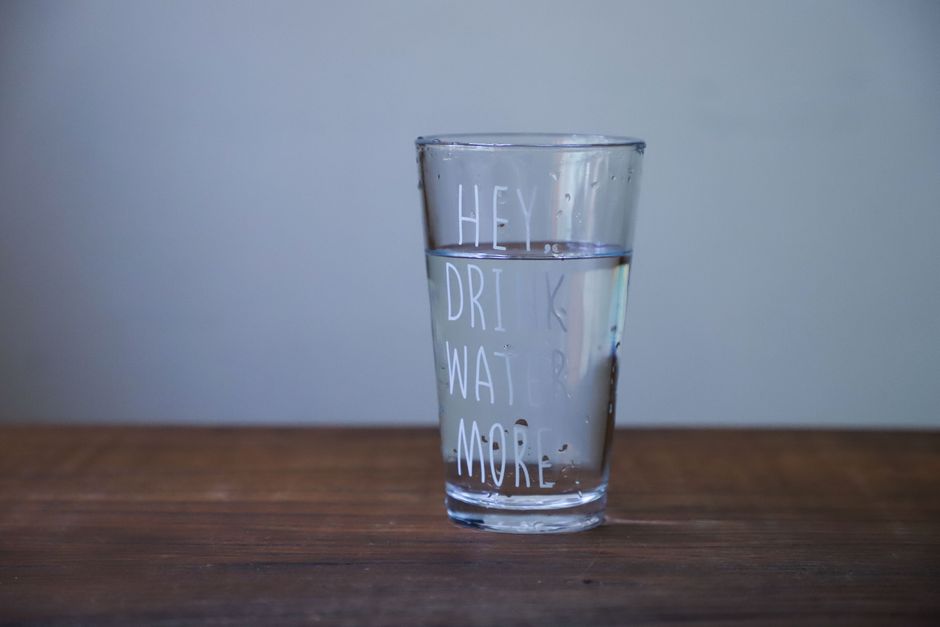
Most healthy adults need between 11.5 and 15.5 cups of fluid a day from drinks and food combined. That is the range most official health bodies use. But your exact number depends on your body size, activity level, climate, and health status. The simplest starting point is to divide your body weight in pounds by two. That gives you the number of ounces of water to aim for daily. A 160-pound person would target about 80 ounces, or 10 cups. This is a practical starting estimate, not a precise prescription. Your actual needs shift daily based on heat, exercise, and what you eat.
How To Calculate How Much Water You Should Drink
Start with your weight. Take your body weight in pounds and divide it by two. The result is the number of ounces of water to drink each day as a baseline. For example, a 180-pound adult divides by two to get 90 ounces. That equals about 11.25 cups. This formula appears widely in clinical guidance and is a reasonable general target for healthy adults. It is not a one-size-fits-all rule, but it gives you a concrete number to work from.
Adjust that number for your circumstances. If you exercise, add 12 to 16 ounces for every 30 minutes of moderate activity. If you live in a hot or dry climate, add another one to two cups. If you are pregnant or breastfeeding, your needs rise. Pregnant women generally need about 10 cups of fluids daily, and breastfeeding women need about 13 cups. These figures come from established dietary reference intake values.
What Counts Toward Your Daily Water Intake
Plain water is not the only source that counts. All fluids contribute. Coffee, tea, milk, juice, and soup all add to your daily total. Even foods matter. Fruits and vegetables like watermelon, cucumber, and oranges are mostly water by weight. Most people get about 20 percent of their daily fluid from food. That means a 100-ounce daily target from drinks is not necessary if you eat a diet rich in water-heavy foods.
One common misconception is that caffeinated drinks dehydrate you. Moderate caffeine intake does not cause significant fluid loss. A cup of coffee contributes to your fluid balance much like a glass of water. The diuretic effect of caffeine is mild and temporary. For healthy adults, coffee and tea count toward daily hydration. This is well established in the scientific literature.
Alcohol is the exception. Alcohol suppresses antidiuretic hormone, which increases urine output. A drink of alcohol does not fully replace a drink of water. If you drink alcohol, do not count it toward your hydration goal.
Signs You Are Drinking Enough Water
Your body gives clear signals about hydration status. Urine color is one of the most reliable everyday indicators. Pale yellow or straw-colored urine generally means you are well hydrated. Dark yellow or amber urine suggests you need more fluids. Clear urine can mean you are overhydrated, which is rarely harmful for healthy people but is not necessary.
Thirst is a later signal. By the time you feel thirsty, you are already mildly dehydrated. Older adults often have a blunted thirst response, so they cannot rely on thirst alone. If you are over 65, schedule regular fluid intake rather than waiting for thirst.
Other signs of adequate hydration include regular urination every three to four hours, normal skin elasticity, and the absence of headaches or fatigue linked to dehydration. Chronic low fluid intake can contribute to kidney stones, urinary tract infections, and constipation. These associations are supported by clinical evidence.





Factors That Increase Your Water Needs
Exercise raises your fluid requirements. During physical activity, you lose water through sweat and increased breathing. For every 30 minutes of exercise, add one to two cups of fluid. Intense or long-duration exercise, especially in heat, requires more. Endurance athletes may need electrolyte replacement as well as water. This is not a marketing claim; it is a physiological requirement based on sodium loss through sweat.
Hot and humid weather increases sweat rates. Your body cools itself by evaporating sweat, which uses water. In extreme heat, your fluid needs can double. Cold weather also increases fluid loss through respiration. You can see your breath in winter, and that vapor is water leaving your body.
Illness changes your needs. Fever, vomiting, and diarrhea all cause fluid loss. During illness, you need more fluids than usual. Some medical conditions also affect hydration. Diabetes, kidney disease, and heart failure can all alter fluid balance. If you have a chronic condition, ask your clinician about your specific fluid target. Do not self-adjust based on general formulas.
Can You Drink Too Much Water
Yes, but it is rare. Healthy kidneys can process about 0.8 to 1 liter of water per hour. Drinking more than that in a short period can dilute blood sodium levels. This condition is called hyponatremia. Severe hyponatremia can cause brain swelling, seizures, and even death. This is a genuine medical emergency, not a theoretical risk.
Hyponatremia is most commonly seen in endurance athletes who drink large volumes of water without replacing sodium. It also occurs in certain psychiatric conditions and in some recreational drug use. For the general population, drinking too much water is difficult but possible. If you are forcing yourself to drink far beyond thirst for no reason, stop. Listen to your body.
People with heart failure, kidney disease, or liver disease should be cautious about high fluid intake. Their bodies may not excrete excess water efficiently. For these individuals, fluid restriction is sometimes medically necessary. Follow your clinician’s advice over any general formula.
Practical Tips To Meet Your Daily Water Goal
Keep a reusable water bottle with you. A visible bottle serves as a reminder and a measuring tool. If you know your bottle holds 24 ounces, you can track your intake by counting refills. This simple tracking method works well for most people.
Drink a glass of water with each meal. This adds roughly three cups to your daily total without much effort. Drink another glass between meals. This pattern alone gets most people close to their baseline target.
Set a reminder on your phone if you tend to forget. Many people respond well to gentle, periodic prompts. Some apps track water intake, but they are not necessary. A piece of paper and a pen work just as well.
Flavor your water with lemon, lime, or cucumber slices if plain water feels boring. Herbal teas count as fluid too. There is no evidence that flavored water is less hydrating than plain water. What matters is total fluid intake, not the source.
Does The 8×8 Rule Hold Up
The “8×8” rule — eight 8-ounce glasses per day — is widely repeated but has no scientific origin. It is a rounded number that happens to be close to the actual recommendation for many adults. The 8×8 rule equals 64 ounces, or about 1.9 liters. The official adequate intake for adult women is 11.5 cups of total water, and for adult men it is 15.5 cups. These totals include food and all beverages. So 8×8 is a reasonable minimum for many people but falls short of the full recommendation for most men and active women.
If you follow the 8×8 rule, you are likely doing fine. If you want a more precise target, use the weight-based formula. Neither approach is wrong. The best method is the one you can sustain consistently.
Myths About Water Intake
One persistent myth is that you must drink eight glasses of water exclusively, excluding all other beverages. This is false. Coffee, tea, milk, and juice all count. Even the water in your food counts. The evidence is clear that total water intake from all sources is what matters.
Another myth is that thirst is always an accurate indicator. For young, healthy people, thirst is a reliable signal. For older adults and athletes, it is less reliable. Relying on thirst alone can lead to chronic underhydration in these groups.
A third myth is that drinking large amounts of water “flushes toxins.” Your kidneys and liver do that work. Drinking excess water does not enhance their function. It just increases urine output. There is no evidence that high water intake beyond normal needs improves health outcomes in healthy people.
Frequently Asked Questions
How much water should I drink per day?
Most healthy adults need about 11.5 to 15.5 cups of total fluid daily from drinks and food. Your personal target depends on your weight, activity level, and climate.
Does coffee count toward my daily water intake?
Yes, moderate caffeine intake does not cause significant dehydration. Coffee and tea contribute to your daily fluid balance.
Do I need more water when I exercise?
Yes, add about 12 to 16 ounces of fluid for every 30 minutes of moderate exercise. Intense or long workouts in heat require even more.
Can drinking too much water be dangerous?
Yes, drinking excessive water rapidly can dilute blood sodium and cause hyponatremia, which is a medical emergency. Healthy kidneys process about 0.8 to 1 liter per hour.
